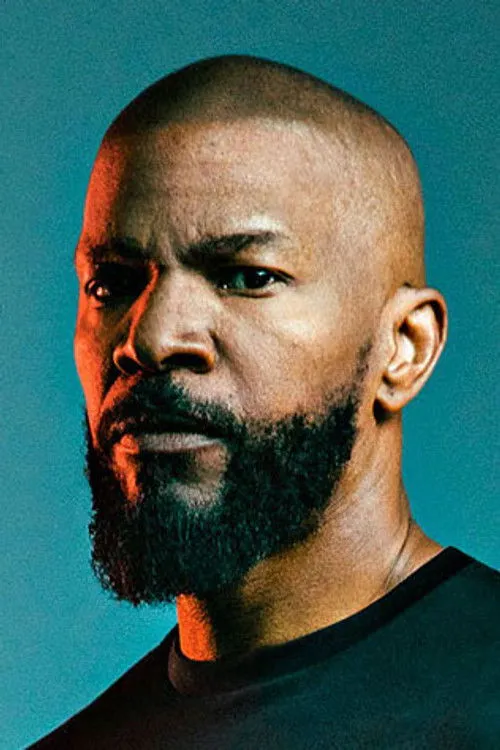
Age: 58
male
Eric Marlon Bishop (born December 13, 1967), known professionally as Jamie Foxx, is an American actor, singer, and comedian. He gained his career breakthrough as a featured player in the sketch comedy show In Living Colour until the show's end in 1994. Following this success, he was given his own sitcom, The Jamie Foxx Show, in which he starred, co-created, and produced from 1996 to 2001. Foxx received acclaim for his portrayal of Ray Charles in the film Ray (2004), winning the Academy Award, BAFTA, Screen Actors Guild Award, and Golden Globe Award for Best Actor. That same year, he was nominated for the Academy Award for best supporting actor for his role in the crime film Collateral. He gained prominence for his film roles in Booty Call (1997), Ali (2001), Jarhead (2005), Dreamgirls (2006), Miami Vice (2006), Horrible Bosses (2011), Django Unchained (2012), Annie (2014), Baby Driver (2017), and Soul (2020). He played the supervillain Electro in The Amazing Spider-Man 2 (2014) and Spider-Man: No Way Home (2021). For playing Walter McMillian in Just Mercy (2019), he received a Screen Actors Guild Award nomination. Foxx also embarked on a successful career as an R&B singer in the 2000s. He earned two number-one singles on the Billboard Hot 100, with his features on the singles "Slow Jamz" by Twista alongside Kanye West and "Gold Digger" by the former. His single "Blame It" won him the Grammy Award for Best R&B Performance by a Duo or Group with Vocals. Four of his five studio albums have charted in the top ten of the U.S. Billboard 200: Unpredictable (2005), which topped the chart; Intuition (2008); Best Night of My Life (2010); and Hollywood: A Story of a Dozen Roses (2015). Since 2017, Foxx has served as the host and executive producer of the Fox game show Beat Shazam. In 2021, he wrote his autobiography Act Like You Got Some Sense.
Jamie Foxx

The Seven Churches (composite)
for The Seven Churches (composite) in Revelation: The Final Vision
Suggested by mr95
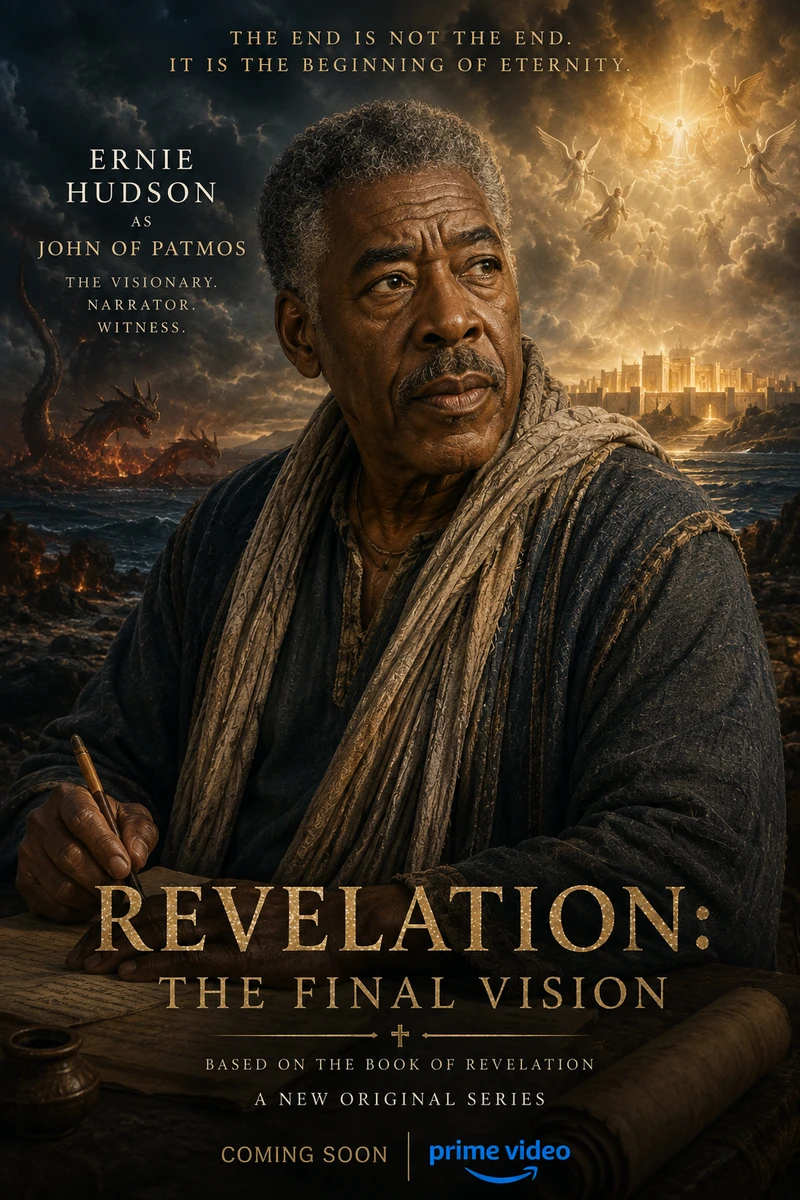
The last book of the Bible. The most visually extraordinary. The most contested. The most necessary. A faithful, visually ambitious adaptation of the Revelation to John — approached as what the text presents itself as: the apocalyptic vision of John of Patmos, written to seven specific churches in Asia Minor under Roman persecution, using the specific visual language of Jewish apocalyptic literature to communicate hope to a persecuted community. The series takes the Revelation seriously as both historical document and prophetic vision — grounding it in the specific historical context of Domitian's Rome while honoring its eschatological scope. Structured in two seasons following the text's own structure: Season 1 covers the letters to the seven churches, the throne room vision, the seals, and the trumpets. Season 2 covers the woman and the dragon, the beast, the bowls of wrath, Babylon's fall, the final battle, and the New Jerusalem. The visual language draws from ancient Near Eastern imagery, Roman imperial iconography, and the specific visual metaphors of Jewish apocalyptic — rendered with the conviction that these images were chosen for their specific meaning and deserve to be taken seriously. Season 1 — The Vision Begins Patmos. The throne room. The letters to the seven churches. The scroll with seven seals. The four living creatures. The martyrs under the altar. Season 2 — The End and the Beginning The woman clothed with the sun. The beast. Babylon's fall. The rider on the white horse. The thousand years. The new heaven and new earth. The New Jerusalem descending. 'Come, Lord Jesus.'