
Age: 83
male
Joseph Frank “Joe” Pesci (born February 9, 1943) is an American actor, comedian, singer and musician. He is known for his roles as violent mobsters, funnymen, comic foils and quirky sidekicks. Pesci has starred in a number of high profile films such as Goodfellas, Casino, Raging Bull, Once Upon a Time in America, My Cousin Vinny, Easy Money, JFK, Moonwalker, Home Alone, Home Alone 2: Lost in New York, and the 2nd, 3rd, and 4th Lethal Weapon films. In 1990, Pesci won the Academy Award for Best Supporting Actor for his role as the psychopathic mobster Tommy DeVito in Goodfellas, ten years after receiving a nomination in the same category for Raging Bull.
Joe Pesci

Angelo Bronte
for Angelo Bronte in Red Dead Redemption
Suggested by underworld_stories
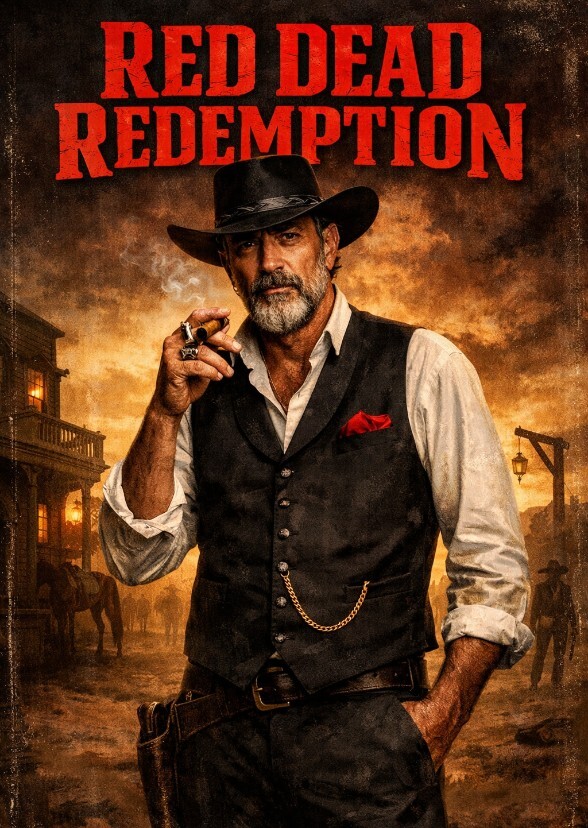
In 1899, the outlaw era is dying. Arthur Morgan, senior enforcer of the Van der Linde gang, rides with Dutch van der Linde, a charismatic leader clinging to freedom as the modern world closes in. After a botched ferry robbery, the gang flees across America, hunted by the law and torn apart by paranoia, greed, and betrayal. Arthur carries out Dutch’s plans—robberies, debt collections, gunfights—but begins to question the cost. While collecting money from sick farmers and broken families, Arthur is diagnosed with tuberculosis, a death sentence. Facing his mortality, he begins helping others instead of taking from them, guiding the young and protecting the innocent where he can. Dutch grows unhinged, manipulated by the ruthless Micah Bell, who pushes the gang toward violence and betrayal. Longtime loyalties fracture. Arthur helps John Marston escape with his family, believing John still has a chance at a better life. As Pinkertons close in, Arthur turns against Micah and finally confronts Dutch’s failures. In the mountains, battered and dying, Arthur fights Micah one last time, buying John precious time to flee. The sunrise breaks over the valley as Arthur collapses, his strength gone but his conscience clear. He watches the world he never fit into move on without him. Arthur Morgan dies not as an outlaw, but as a man seeking redemption—his final act ensuring another can live free.

