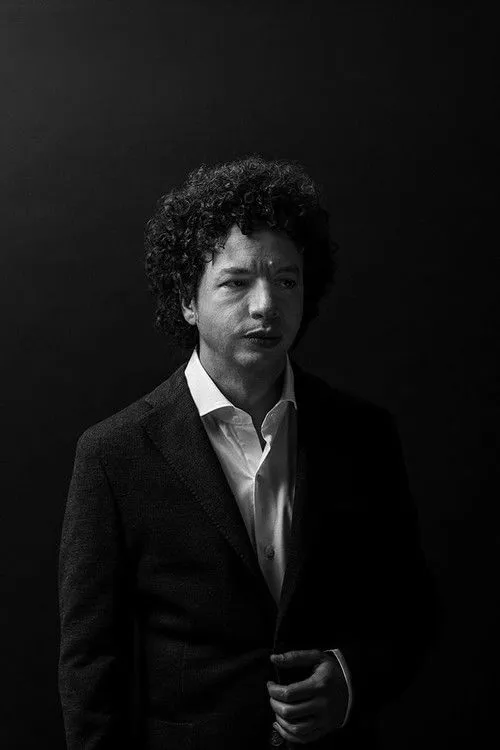
Age: 80
male
Paul Joseph Schrader (born July 22, 1946) is an American screenwriter, film director, and film critic. He first became widely known for writing the screenplay of Martin Scorsese's Taxi Driver (1976). He later continued his collaboration with Scorsese, writing or co-writing Raging Bull (1980), The Last Temptation of Christ (1988), and Bringing Out the Dead (1999). Schrader has also directed 24 films, including Blue Collar (1978), Hardcore (1979), American Gigolo (1980), Cat People (1982), Mishima: A Life in Four Chapters (1985), Light Sleeper (1992), Affliction (1997), and First Reformed (2017); the latter earned him his first Academy Award nomination. Schrader's work frequently depicts troubled men struggling through an existential crisis that is then punctuated by a violent, cathartic event. Raised in a strict Calvinist family, Schrader attended Calvin College before electing to pursue film studies at UCLA on the encouragement of film critic Pauline Kael. He then worked as a film scholar and critic, publishing the book Transcendental Style in Film: Ozu, Bresson, Dreyer (1972) before making the transition to screenwriting in 1974. The success of Taxi Driver in 1976 brought greater attention to his work, and Schrader began directing his own films beginning with Blue Collar (co-written with his brother, Leonard Schrader). His three most recent films have been described by Schrader as a loose trilogy: First Reformed (2017), The Card Counter (2021), and Master Gardener (2022). Description above from the Wikipedia article Paul Schrader, licensed under CC-BY-SA, full list of contributors on Wikipedia.
Paul Schrader

Writer
for Writer in Rafael Orozco: The Soul of a Pianist
Suggested by kamsismith

"Rafael Orozco: The Soul of a Pianist" is an eight-part miniseries that delves into the life of Rafael Orozco Flores, a trailblazer who brought Spanish artistry to the world stage. Set against the backdrop of 20th-century Europe, the series begins in the post-war streets of Córdoba, where a young Rafael discovers his gift for the piano. Supported by his family but challenged by societal expectations, Rafael's talent soon earns him a place at the esteemed Conservatorio Superior de Música de Córdoba. The series follows his breakthrough at the Leeds International Piano Competition, catapulting him to international stardom. Alongside his rise, viewers witness Rafael's collaborations with iconic composers and orchestras, the intricate relationship between his Spanish heritage and his artistry, and the emotional cost of living under the relentless spotlight. The story doesn’t shy away from exploring the man behind the music. It reveals Rafael’s struggles with self-doubt, the toll of a demanding career on his personal life, and the tragedy of his untimely passing in 1996. Through it all, the series showcases his indomitable spirit and the profound impact he had on the classical music world.