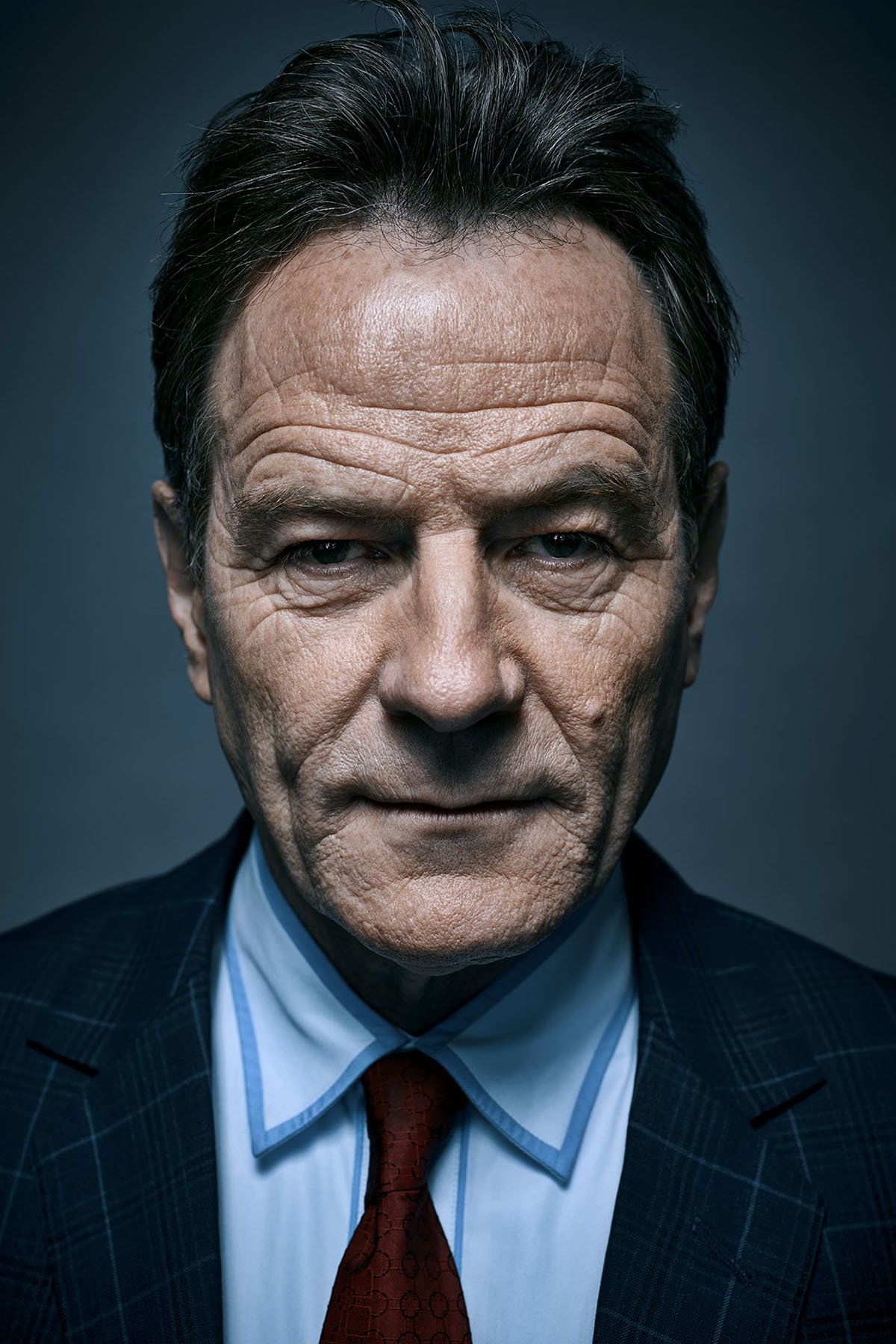
Age: 62
male
Nicolas Cage (born Nicolas Kim Coppola; January 7, 1964) is an American actor and filmmaker. He is the recipient of various accolades, including an Academy Award, a Screen Actors Guild Award, and a Golden Globe Award. During the early years of his career, Cage starred in a variety of films such as Rumble Fish (1983), Racing with the Moon (1984), Peggy Sue Got Married (1986), Raising Arizona (1987), Vampire's Kiss (1989), Wild at Heart (1990), Honeymoon in Vegas (1992), and Red Rock West (1993). During this period, John Willis' Screen World, Vol. 36 listed him as one of twelve Promising New Actors of 1984. For his performance in Leaving Las Vegas (1995), he won the Academy Award for Best Actor. He received his second Academy Award nomination for his performance as Charlie and Donald Kaufman in Adaptation (2002). He subsequently appeared in more mainstream films, such as The Rock (1996), Con Air (1997), City of Angels (1998), 8mm (1999), Windtalkers (2002), Lord of War (2005), The Wicker Man (2006), Bangkok Dangerous (2008) and Knowing (2009). He also directed the film Sonny (2002), for which he was nominated for Grand Special Prize at Deauville Film Festival. Cage owns the production company Saturn Films and has produced films such as Shadow of the Vampire (2000) and The Life of David Gale (2003). In October 1997, Cage was ranked No. 40 in Empire magazine's The Top 100 Movie Stars of All Time list, while the next year, he was placed No. 37 in Premiere's 100 most powerful people in Hollywood. In the 2010s, he starred in Kick-Ass (2010), Drive Angry (2011), Joe (2013), The Runner (2015), Dog Eat Dog (2016), Mom and Dad (2017), Mandy (2018), Spider-Man: Into the Spider-Verse (2018), and Color Out of Space (2019). His participation in various film genres during this time increased his popularity and gained him a cult following.
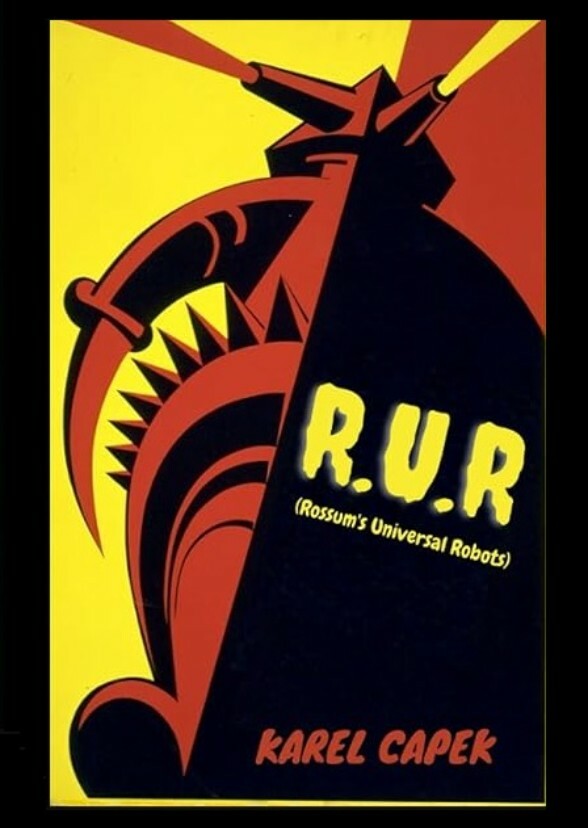
R.U.R. (short for Rossum's Universal Robots) is a 1920 science fiction drama by Karel Čapek. In the story, the author warns of the possible negative effects of technology on humanity. He is influenced by his interest in technology, but also by his concern for the future of humanity (the destruction during World War I). The word robot is first heard in the play, suggested by his brother Josef Čapek at Karl's urging. A young woman visits the island factory of Rossum's Universal Robots to emancipate the robots from capitalist exploitation, with catastrophic results.