
Age: 39
male
Thomas Andrew Felton (born September 22, 1987) is an English actor who played Draco Malfoy in the film adaptations of the best-selling Harry Potter fantasy novels by J. K. Rowling. Born in Surrey, Felton began appearing in commercials and made his screen debut in the role of Peagreen Clock in The Borrowers (1997). He portrayed Louis T. Leonowens in Anna and the King (1999) before being cast in Harry Potter and the Philosopher's Stone (2001). Felton appeared in seven sequels until the final film, Harry Potter and the Deathly Hallows – Part 2 (2011). Felton appeared in the sci-fi film Rise of the Planet of the Apes (2011). He was subsequently cast in indie films From the Rough (2011) and The Apparition (2012). Felton starred as Viscount Trencavel in the historical miniseries Labyrinth and as James Ashford in the period drama Belle (2013), which released to critical acclaim. In 2015, he reoccured as a murder suspect in TNT's Murder in the First. Felton appeared in Message from the King and A United Kingdom, which premiered at the 2016 Toronto International Film Festival. He portrayed Doctor Alchemy on The CW's The Flash, based on the comic books of the same name. Felton co-starred in drama film Feed (2017), action-thriller Stratton (2017), and biographical film Megan Leavey (2017). Felton was a series regular on the 2018 sci-fi series Origin and appeared as Laertes in Claire McCarthy's Ophelia (2018), both to critical praise. Felton portrayed the villain in family-horror A Babysitter's Guide to Monster Hunting (2020).
Tom Felton

Roger Taylor
for Roger Taylor in Queen: Somebody to Love (Biopic)
Suggested by kaueoliveira
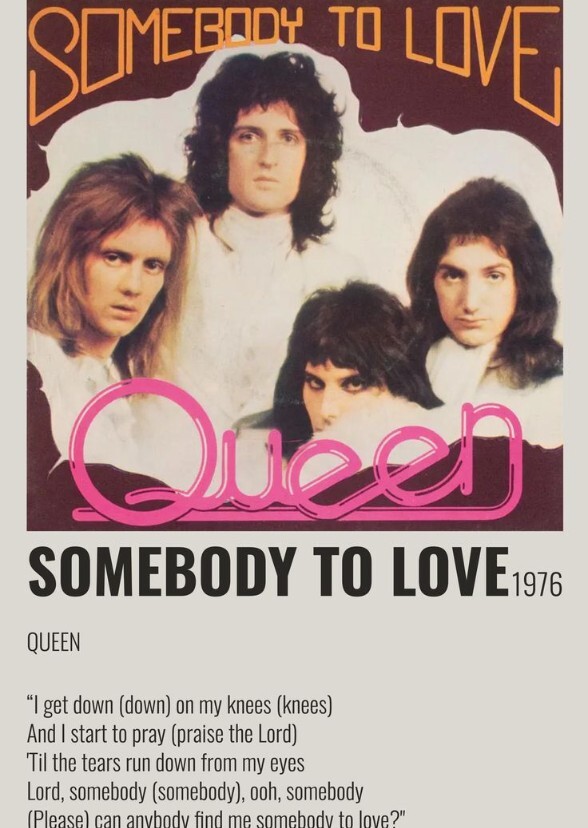
Unlike the sanitized 2018 hit Bohemian Rhapsody, "Queen: Somebody to Love" is a raw, R-rated, and deeply psychological exploration of the band's internal dynamics. The film focuses less on the "Greatest Hits" montage and more on the creative warfare inside the studio during the 1970s and the hedonistic, lonely isolation of Freddie Mercury in the 1980s. The narrative is framed around the dichotomy of Freddie’s life: the shy, insecure immigrant Farrokh Bulsara versus the larger-than-life god Freddie Mercury. It delves unflinchingly into the underground gay subculture of New York and Munich that Freddie embraced, contrasting it with the domestic, grounded lives of Brian May, Roger Taylor, and John Deacon. The central conflict is the "family" of the band breaking apart under the weight of Freddie's solo ambitions and spiraling health, culminating not just in Live Aid, but in the quiet, heartbreaking recording of their final album, Innuendo, where a dying Freddie pushes his voice to the limit to leave a final message to the world.

