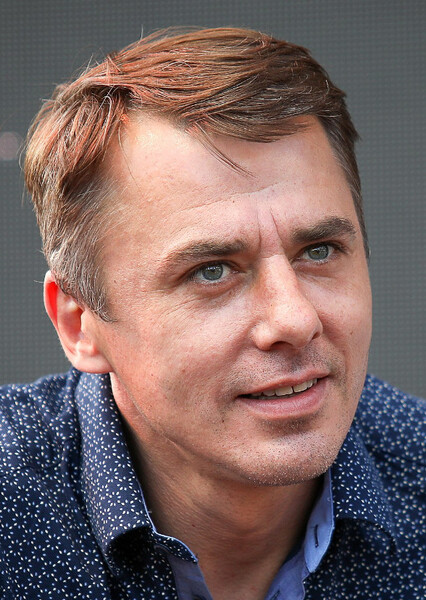
Age: 49
male
Igor Petrovich Petrenko (Russian: И́горь Петро́вич Петре́нко) is a Russian actor of cinema and theater. In 2002 President of Russia, Vladimir Putin gave him The State prize of Russia. Was born on August 23, 1977 in Potsdam (GDR) in the family of the Soviet soldiers. His father Pyotr Vladimirovich Petrenko was a lieutenant colonel, and in addition to military service, he was a candidate of chemical sciences. Igor's mother, Tatyana Anatolievna Petrenko, was a professional translator from English. When Igor was three years old, the family moved to Moscow. As a child, the main hobbies were gymnastics, judo and sambo, when among the favorite school subjects was English language. In 2000 he was graduated from The Shchepkin Higher Theatre School in Moscow. Igor become famous actor after he was appearing in the "Zvezda" TV Series. Thanks to his role in the Series he won the "Nika" award in the nomination as the "Discovery of the year" in 2003. For his acting skills, the actor was awarded the Presidential Award (Officially, the State Prize of the Russian Federation), and in 2004 he was awarded the "Triumph" Award as the best young actor. In 2012, he performed the role of Sherlock Holmes in new series based on the works of Arthur Conan Doyle. From Wikipedia, the free encyclopedia
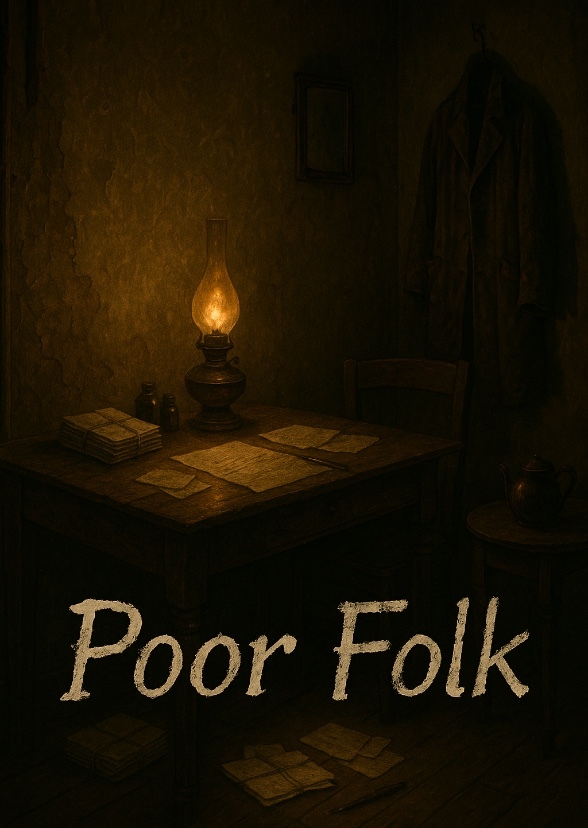
In a cramped St. Petersburg neighborhood, two distant relatives—Varvara Dobroselova and Makar Devushkin—live across from each other in rundown apartments where thin walls carry every sound of struggle. Both hover at the edge of poverty, but the letters they exchange become the one steady thread holding their lives together. Varvara carries the weight of a turbulent past: a harsh childhood, an abusive home, and a brief, tender attachment that ended in loss. Makar works long hours as a low-level copyist, constantly belittled at the office and painfully aware of his place in the world. Despite his hardships, he sends her gifts he can barely afford, hoping to offer her a small comfort. Through their correspondence, they share stories, fears, and the small victories that keep them going. Books pass between them, ideas spark, and a quiet bond forms—fragile, hopeful, and never spoken aloud. As pressures mount around them—money troubles, intrusive landlords, old memories, and new opportunities—the two must face a question they’ve both avoided: whether their connection can survive the hard pull of circumstances that never seem to ease. Poor Folk unfolds as an intimate portrait of two lonely souls reaching toward each other in a city that rarely makes room for tenderness, letting their letters become the only place where they can breathe.


