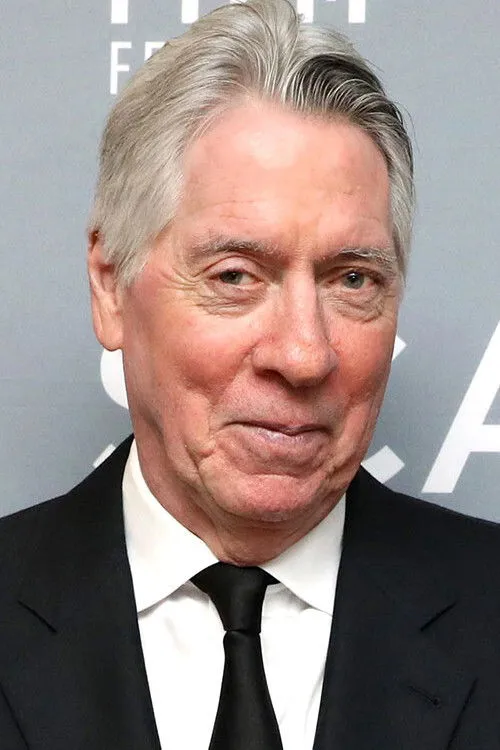
Age: 76
male
Alan Anthony Silvestri (born March 26, 1950) is an American composer, conductor, orchestrator and music producer of film scores. He has received two Grammy Awards, two Primetime Emmy Awards, and nominations for two Academy Awards and two Golden Globe Awards. He has been associated with director Robert Zemeckis since 1984, composing music for nearly all of his feature films, including the Back to the Future film series (1985–1990), Who Framed Roger Rabbit (1988), Death Becomes Her (1992), Forrest Gump (1994), Contact (1997), What Lies Beneath (2000), Cast Away (2000), The Polar Express (2004), Beowulf (2007), Flight (2012) and The Walk (2015). Silvestri also scored many other popular movies, including Predator (1987), The Abyss (1989), Father of the Bride (1991), The Bodyguard (1992), Eraser (1996), The Parent Trap (1998), Stuart Little (1999), The Mummy Returns (2001), Lilo & Stitch (2002), Van Helsing (2004), Night at the Museum trilogy, G.I. Joe: The Rise of Cobra (2009), The A-Team (2010), Ready Player One (2018), and several Marvel Cinematic Universe films, including the Avengers films. Description above from the Wikipedia article Alan Silvestri, licensed under CC-BY-SA, full list of contributors on Wikipedia.
Alan Silvestri

Composer
for Composer in Pokémon 2: Mewtwo Strikes Back
Suggested by the2ndmememan

Pokémon: The First Movie: Mewtwo Strikes Back, originally released as Pokémon the Movie: Mewtwo Strikes Back,[a] is a 1998 Japanese anime film[4] directed by Kunihiko Yuyama, the chief director of the Pokémon television series. It is the first theatrical release in the Pokémon franchise. It was first released in Japan on July 18, 1998. On July 8, 1999, a Complete Version[b] of the film aired on Japanese television. In addition to an added prologue, the updated version included new animation and CGI graphics.[5] The English-language adaptation, produced by Nintendo and 4Kids Entertainment and licensed by Warner Bros., was released in North America on November 10, 1999. The events of the film take place during the first season of Pokémon: Indigo League. In Japan, Mewtwo Strikes Back was positively received, with praise directed at the film's emotional impact and exploration of ethical topics such as cloning and genetic modification. However, the English-language version received generally negative reviews from film critics, with much of the criticism pointed at the anti-violence message in a film about Pokémon. Despite the reviews, it was a box office success worldwide, topping the box office charts in its opening weekend, and eventually grossing $172 million at the worldwide box office. It also sold 10 million home video units in the United States, including 4.2 million VHS sales that earned $58.8 million in 2000.

