Died at 105
male
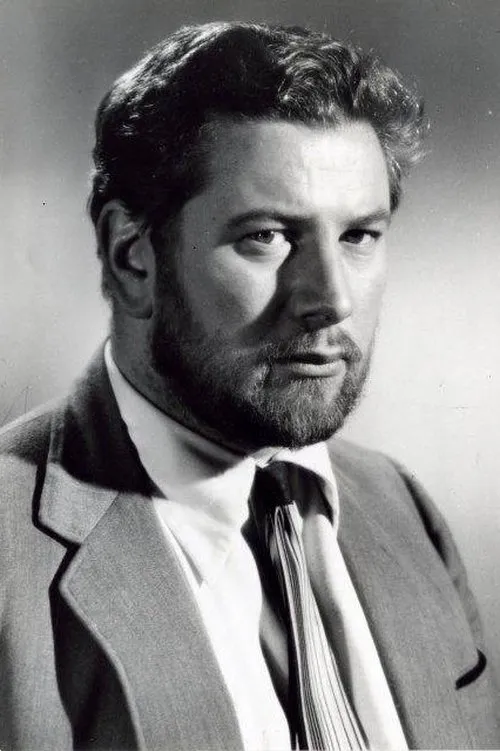
Sir Peter Alexander Ustinov CBE (16 April 1921 – 28 March 2004) was an English actor, writer and dramatist. He was also renowned as a filmmaker, theatre and opera director, stage designer, author, screenwriter, comedian, humourist, newspaper and magazine columnist, radio broadcaster and television presenter. A noted wit and raconteur, he was a fixture on television talk shows and lecture circuits for much of his career. He was also a respected intellectual and diplomat who, in addition to his various academic posts, served as a Goodwill Ambassador for UNICEF and President of the World Federalist Movement. Ustinov was the winner of numerous awards over his life, including two Academy Awards for Best Supporting Actor, Emmy Awards, Golden Globes and BAFTA Awards for acting, a Grammy Award for best recording for children, as well the recipient of governmental honours from, amongst others, the United Kingdom, France and Germany. He displayed a unique cultural versatility that has frequently earned him the accolade of a Renaissance man. Miklós Rózsa, composer of the music for Quo Vadis and of numerous concert works, dedicated his String Quartet No. 1, Op. 22 (1950) to Ustinov. In 2003, shortly before his death in 2004, Durham University renamed its Graduate Society as Ustinov College in honour of the significant contributions Sir Peter had made while serving as Chancellor of the University from 1992 onwards.
Peter Ustinov

Albert Einstein
for Albert Einstein in Oppenheimer (2003)
Suggested by mcorkrean

During World War II, Lt. Gen. Leslie Groves Jr. appoints physicist J. Robert Oppenheimer to work on the top-secret Manhattan Project. Oppenheimer and a team of scientists spend years developing and designing the atomic bomb. Their work comes to fruition on July 16, 1945, as they witness the world's first nuclear explosion, forever changing the course of history.

