
Age: 45
female
Carrie Alexandra Coon (born January 24, 1981) is an American actress. Known for her portrayals of complex characters on stage and screen, she has received a Critics' Choice Television Award, as well as nominations for three Primetime Emmy Awards and a Tony Award. On television, her breakout role was as Nora Durst in the drama series The Leftovers (2014–2017). Subsequently, she received her first nomination for Primetime Emmy Awards for Outstanding Lead Actress in a Limited Series or Movie for her role as Gloria Burgle in the third season of the black comedy crime anthology series Fargo (2017), her second for Outstanding Lead Actress in a Drama Series for playing Bertha Russell in the period drama series The Gilded Age (2022–present) and her third for Outstanding Supporting Actress in a Drama Series for her role as Laurie Duffy in the third season of the satirical dramedy anthology series The White Lotus (2025). She made her film debut in Gone Girl (2014), with further roles in films such as The Post (2017), Widows (2018), The Nest (2020), Boston Strangler (2023), and His Three Daughters (2024). She has also portrayed characters in blockbuster films such as Proxima Midnight in Avengers: Infinity War(2018) and Callie Spengler in Ghostbusters: Afterlife (2021) and its sequel, Ghostbusters: Frozen Empire (2024). On stage, Coon made her Broadway debut as the naive wife Honey in the revival of Who's Afraid of Virginia Woolf? (2012), for which she was nominated for the Tony Award for Best Featured Actress in a Play. Description above from the Wikipedia article Carrie Coon, licensed under CC-BY-SA, full list of contributors on Wikipedia.
Carrie Coon

Diane Johnson
for Diane Johnson in One Point Perspective
Suggested by sepanta_kazemi
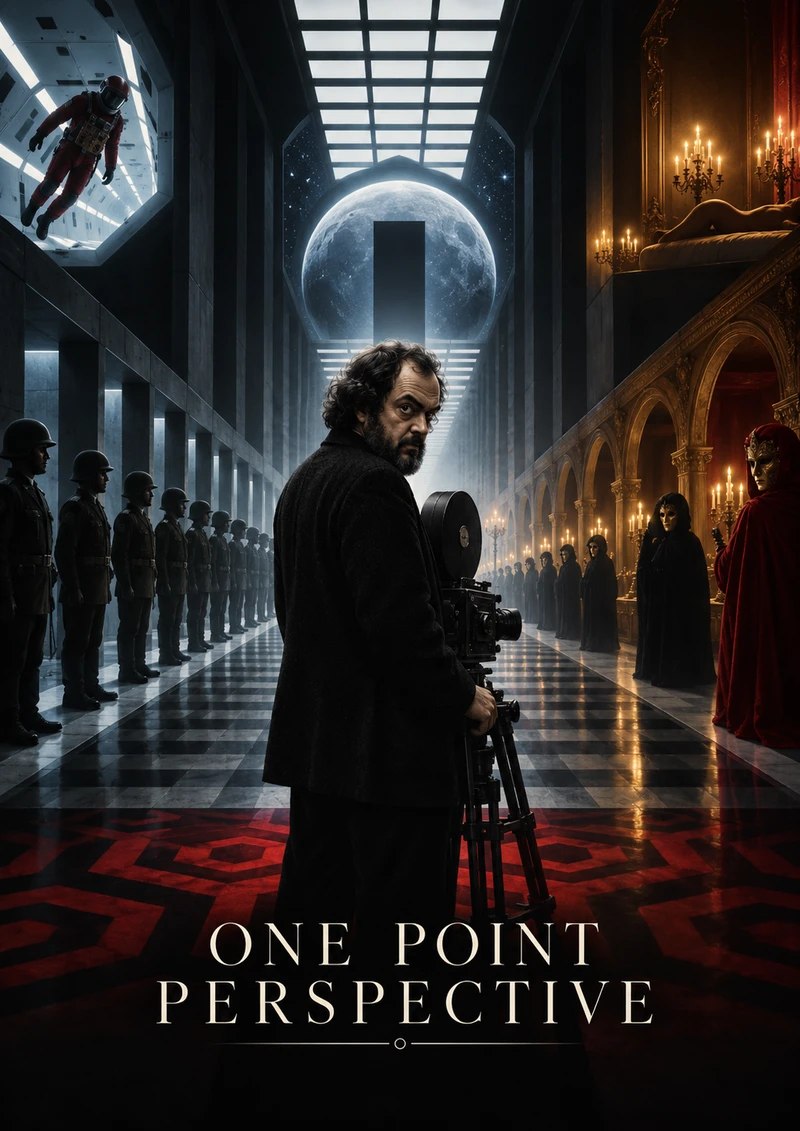
At the height of his fame, Stanley Kubrick retreats from Hollywood and turns filmmaking into an obsession with absolute control. From the abandoned dream of Napoleon to the punishing perfectionism of The Shining and the secrecy surrounding Eyes Wide Shut, Kubrick pushes actors, studios, and himself beyond their limits in pursuit of something flawless. As his legend grows, so does the distance between the man, his family, and the world outside his carefully constructed frame. One Point Perspective is an intimate psychological portrait of a filmmaker who spent his life controlling every image—while slowly discovering that some things cannot be directed.

