Age: 75
male
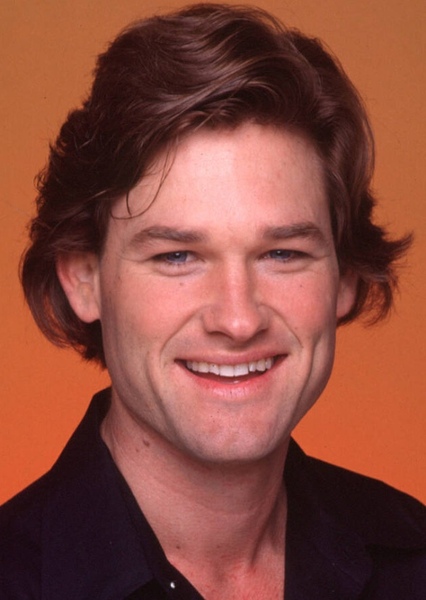
Kurt Vogel Russell (born March 17, 1951) is an American actor. At 12, he began acting in the Western TV series The Travels of Jaimie McPheeters (1963–1964). In the late 1960s, he signed a ten-year contract with The Walt Disney Company, where he starred as Dexter Riley in films such as The Computer Wore Tennis Shoes (1969), Now You See Him, Now You Don't (1972), and The Strongest Man in the World (1975). For his portrayal of rock and roll superstar Elvis Presley in Elvis (1979), he was nominated for the Primetime Emmy Award for Outstanding Lead Actor in a Limited or Anthology Series or Movie. According to Robert Osborne of Turner Classic Movies, Russell became the studio's top star of the 1970s. Russell was nominated for a Golden Globe Award for Best Supporting Actor – Motion Picture for his performance in Mike Nichols's Silkwood (1983). Also in the 1980s, he starred in several films directed by John Carpenter in which he played anti-hero roles: the futuristic action film Escape from New York (1981), its sequel Escape from L.A.(1996), the horror film The Thing (1982), and the kung-fu comedy action film Big Trouble in Little China (1986). Russell starred in various other films, including Used Cars (1980), The Best of Times (1986), Overboard (1987), Tango & Cash (1989), Backdraft (1991), Tombstone (1993), Stargate (1994), Executive Decision (1996), Breakdown (1997), Vanilla Sky (2001), Miracle (2004), Sky High (2005), Death Proof (2007), The Hateful Eight (2015) and Once Upon a Time in Hollywood (2019). He also appeared in the Fast & Furious franchise as Mr. Nobody (starring in Furious 7 (2015), The Fate of the Furious (2017), and F9 (2021)). He also portrayed Ego in the Marvel Cinematic Universe (MCU) instalments Guardians of the Galaxy Vol. 2 (2017) and What If...?(2021), and played the role of Santa Claus in The Christmas Chronicles (2018) and The Christmas Chronicles 2 (2020).
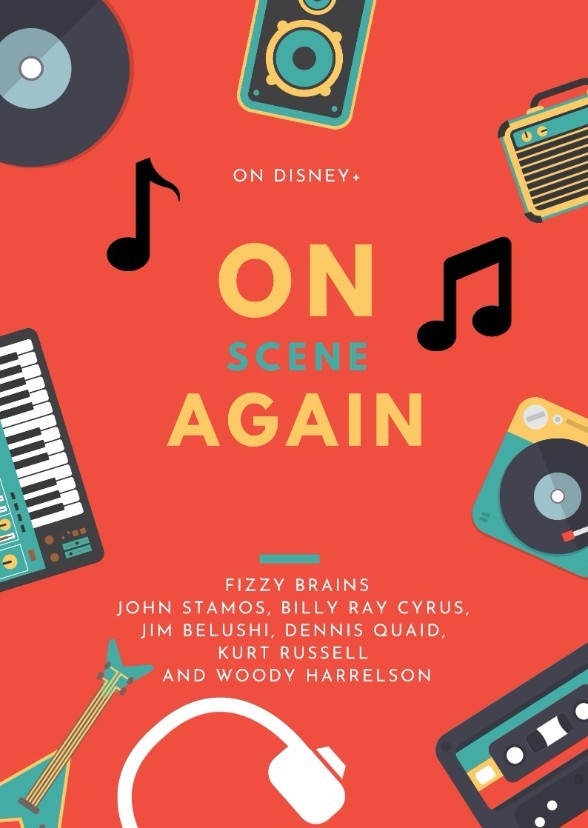
Fizzy Brains were not just a band — they were a phenomenon. At their peak, they sold out arenas, toured the world, and defined a generation. Music wasn’t a job; it was everything. Fame, freedom, chaos, love. Until real life caught up. As the years passed: relationships grew fragile marriages demanded stability children changed priorities egos clashed behind closed doors What the public never saw was the slow collapse: arguments in hotel rooms, missed birthdays, creative control fights, silence between rehearsals. One night, after a disastrous final concert, Fizzy Brains break up — suddenly, publicly, painfully. Years later, each member lives a different, quieter life. The music still echoes in their heads, but the band feels like a closed chapter. Until a chance encounter, an unfinished song, and a realization: They didn’t break up because the music died — they broke up because they stopped listening to each other. Against everyone’s expectations, they decide to reunite. Not for fame. Not for money. But to see if what they had was ever real. They step on scene again — older, scarred, unsure — facing the question: Can something legendary survive real life?


