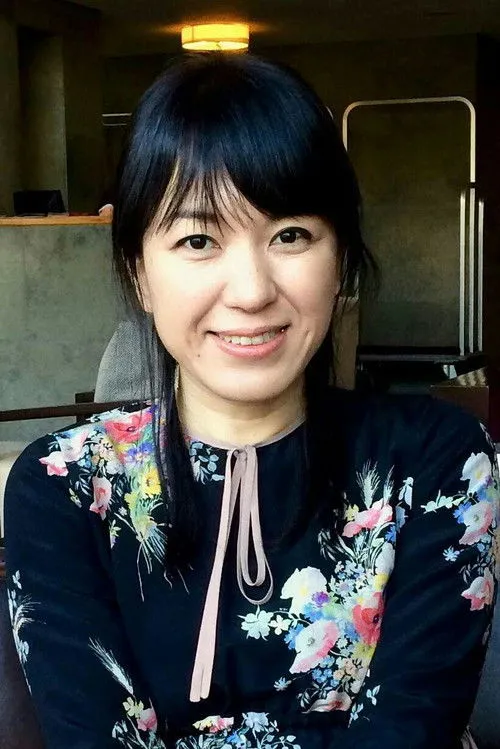
Age: 50
female
Mari Okada (Japanese: 岡田 麿里) is a Japanese screenwriter, director, and manga artist. She is one of the most prolific writers currently working in the anime industry. She won the 16th Animation Kobe Award. Okada was born in Chichibu. She was often bullied at school and skipped days to deal with social anxiety. After leaving middle school, she would spend most of her time confined at home. In spite of this, her proficiency at writing helped to get her into high school, although her social anxiety remained a problem. Nobody had high hopes for her, and as she was graduating, she was constantly told that she “wouldn't survive in the real world.” Okada enrolled at the Tokyo Amusement Media School to study games. Through her studies, Okada developed a passion for screenwriting, but found it difficult due to anxieties. Her earliest jobs included creating scenarios for direct-to-video pornography and transcribing interviews for a magazine. It was through this latter job that she met Tetsurō Amino, who asked her to contribute some of her ideas for the plot of DT Eightron. She went on to write the script for five episodes, and the connection with Amino helped in kickstarting her career. Okada pitched an idea for her first original anime, based on her experience. The screenplay was never published, but several elements of it would be used in some of her works. After several years, her reputation within the industry had grown considerably, with the screenplay for numerous successful series. Okada wrote the script for her directorial debut anime film Maquia: When the Promised Flower Blooms. It was well-received by critics and was awarded the prize for the best animated film at the 21st Shanghai International Film Festival. Description above from the Wikipedia article Mari Okada, licensed under CC-BY-SA, full list of contributors on Wikipedia.

Set in the tumultuous years of 1930s and 1940s Japan, "Oda" chronicles the brief but incandescent life of Sakunosuke Oda, a writer who gave voice to the soul of Osaka. Known for his defiance of convention and his unflinching portrayal of the struggles and resilience of the common people, Oda’s work stood as a counterpoint to the rising tide of authoritarianism and cultural conformity. The film begins in Oda’s early years, capturing the vibrant yet chaotic streets of Osaka, where the young Sakunosuke, an observer of life’s contradictions, finds inspiration. His sharp wit and keen sensitivity lead him to writing stories that blend humor, tragedy, and a love for the downtrodden. As his fame grows, so does his reputation as a member of the Buraiha—a group of renegade authors challenging the moralistic and conservative norms of Japanese literature. At its heart, "Oda" is a story about resilience. From navigating personal poverty and societal scorn to battling tuberculosis that would ultimately claim his life at just 33, Oda remains committed to his art. Through his friendship with Osamu Dazai and Ango Sakaguchi, the film explores the camaraderie and tensions among these literary giants, painting a vivid picture of the Buraiha era.



