
Age: 27
non-binary
Amandla Stenberg (born October 23, 1998) is an American actress. She began her career as a child and received recognition for playing Rue in the action film The Hunger Games (2012). As she grew older, she appeared in the supernatural series Sleepy Hollow (2013–2014) and the romance film Everything, Everything (2017). She received praise for her performance as a teenager witnessing a police shooting in the drama film The Hate U Give (2018). She then starred in the comedy horror film Bodies Bodies Bodies (2022) and the Star Wars series The Acolyte (2024). Outside of acting, Stenberg made her musical debut in 2015, performing as part of the folk-rock duo Honeywater and performing the song "Let My Baby Stay" for Everything, Everything. She is also noted for her activism towards LGBTQ youth and was included on Time's lists of the most influential teens in 2015 and 2016. Description above from the Wikipedia article Amandla Stenberg, licensed under CC-BY-SA, full list of contributors on Wikipedia.
Amandla Stenberg

Shelley (1960s)
for Shelley (1960s) in Nothing Special
Suggested by emilycox
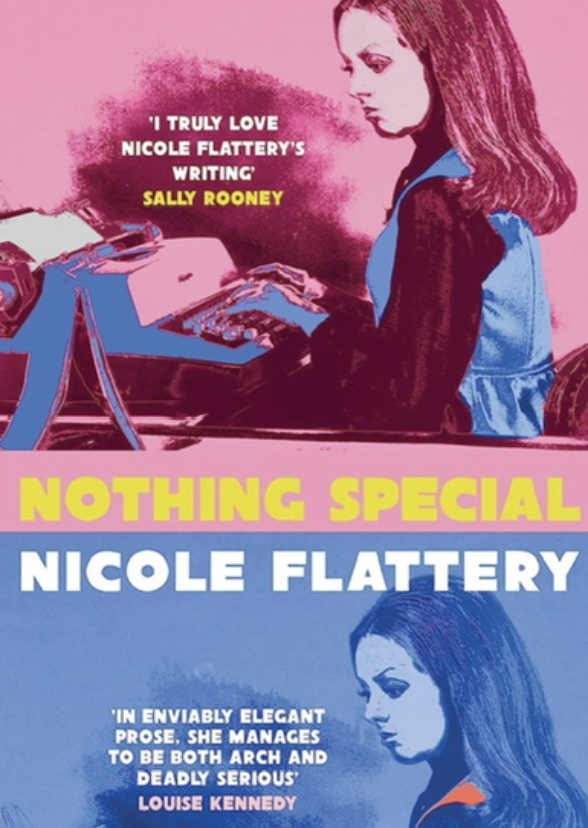
New York City, 1966. Seventeen-year-old Mae lives in a run-down apartment with her alcoholic mother and her mother's sometimes-boyfriend, Mikey. She is turned off by the petty girls at her high school, and the sleazy men she typically meets. When she drops out, she is presented with a job offer that will remake her world entirely: she is hired as a typist for the artist Andy Warhol. Warhol is composing an unconventional novel by recording the conversations and experiences of his many famous and alluring friends. Tasked with transcribing these tapes alongside several other girls, Mae quickly befriends Shelley and the two of them embark on a surreal adventure at the fringes of the countercultural movement. Going to parties together, exploring their womanhood and sexuality, this should be the most enlivening experience of Mae's life. But as she grows increasingly obsessed with the tapes and numb to her own reality, Mae must grapple with the thin line between art and voyeurism and determine how she can remain her own person as the tide of the sixties sweeps over her.


