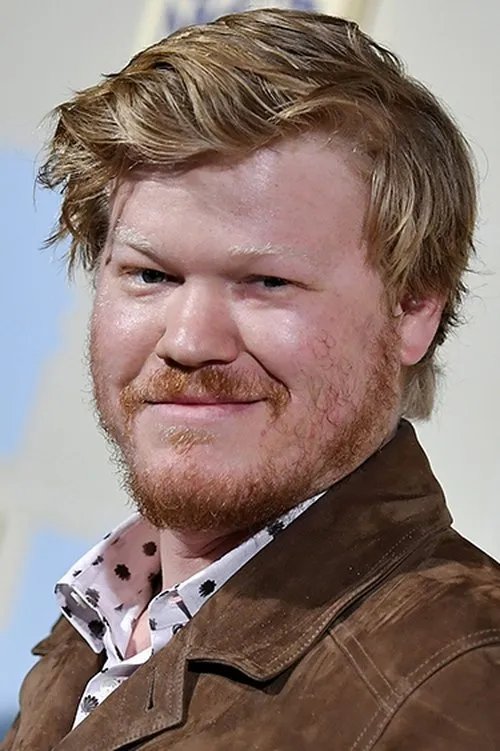
Age: 38
male
Jesse Plemons (/ˈplɛmənz/; born April 2, 1988) is an American actor. He began his career as a child actor and achieved a breakthrough with his role as Landry Clarke in the NBC drama series Friday Night Lights (2006–2011). He subsequently portrayed Todd Alquist in season 5 of the AMC crime drama series Breaking Bad(2012–2013) and its sequel film El Camino: A Breaking Bad Movie (2019). He received his first Primetime Emmy Award nomination for his role as Ed Blumquist in season 2 of the FX anthology series Fargo (2015). He won a Critics' Choice Television Award. He received a second Emmy nomination for his performance in "USS Callister", an episode of the anthology series Black Mirror (2017). Plemons has acted in supporting roles in films such as The Master (2012), Bridge of Spies (2015), Game Night (2018), The Irishman (2019), Judas and the Black Messiah (2021) and Killers of the Flower Moon (2023). He starred in Other People (2016) and I'm Thinking of Ending Things (2020). For playing a rancher in The Power of the Dog (2021), he was nominated for the Academy Award for Best Supporting Actor, and for playing three roles in the anthology film Kinds of Kindness (2024), he won the Cannes Film Festival Award for Best Actor. Description above from the Wikipedia article Jesse Plemons, licensed under CC-BY-SA, full list of contributors on Wikipedia.
Jesse Plemons

Butch Vig
for Butch Vig in Nirvana: Come As You Are (Biopic)
Suggested by kaueoliveira

"Nirvana: Come As You Are" is not a typical rock star glorification; it is a gritty, claustrophobic drama about the sudden, violent collision between punk ethics and global capitalism. The film tracks the band from the wet, gray boredom of Aberdeen and Olympia, Washington, to the terrifying stratosphere of global fame in 1991-1992. The narrative centers on the brotherhood between the fragile, hyper-sensitive Kurt Cobain, the goofy, giant-hearted Krist Novoselic, and the powerhouse drummer Dave Grohl, who injected the necessary pop-muscle into the band. The central conflict is Kurt’s deteriorating mental state as he realizes that the thing he wanted most (for people to hear his music) is destroying the thing he values most (his integrity and anonymity). The film captures the chaotic energy of the live shows, the drug-fueled haze of the downtime, and the complex, often toxic love affair with Courtney Love. It culminates not in death, but in a moment of quiet despair amidst the deafening roar of adoration—perhaps the reading of the Vanity Fair article or the Rome overdose—leaving the audience with the tragedy of a man trapped by his own voice.

