
Age: 21
male
General Grievous (born Qymaen jai Sheelal) was the cyborg Supreme Commander of the Droid Army of the Confederacy of Independent Systems for most of the Clone Wars. Grievous was originally a Kaleesh from the planet Kalee, where he lived his early life. During the Kaleesh conflict against the Huk, Sheelal quickly learned the art of war, specializing in a slugthrower rifle. Quickly amassing a great number of Huk kills, he soon became seen as a demigod among his people. He eventually met the female Kaleesh Ronderu lij Kummar, a master with the sword. The two became very close before Kummar's death at the hands of the Huk. Heartbroken, Sheelal renamed himself Grievous and turned all his anger and grief toward the Huk. Aided by his elite, he forced the Huk off Kalee and then swarmed their homeworld, conquering them. The Huk turned to the Galactic Republic for help, and the Kaleesh were forced back to their own world by the Jedi and left to starve. Desperate to help his people, Grievous took a job as an enforcer with the InterGalactic Banking Clan. However, after learning that the Huk had attacked Kalee, he headed home to gain vengeance. IGBC Chairman San Hill, after consulting with his ally, Separatist Head of State Count Dooku, arranged for a bomb to be placed on Grievous' shuttle, Martyr. The Kaleesh was critically injured, but lived, and Hill arranged for the final stage of his plan. Grievous was reconstructed as a cyborg and was presented to Dooku as a potential weapon to be used in the upcoming war that the count had planned against the Republic.
General Grievous

General Grievous
for General Grievous in Night Gallery
Suggested by jesselee
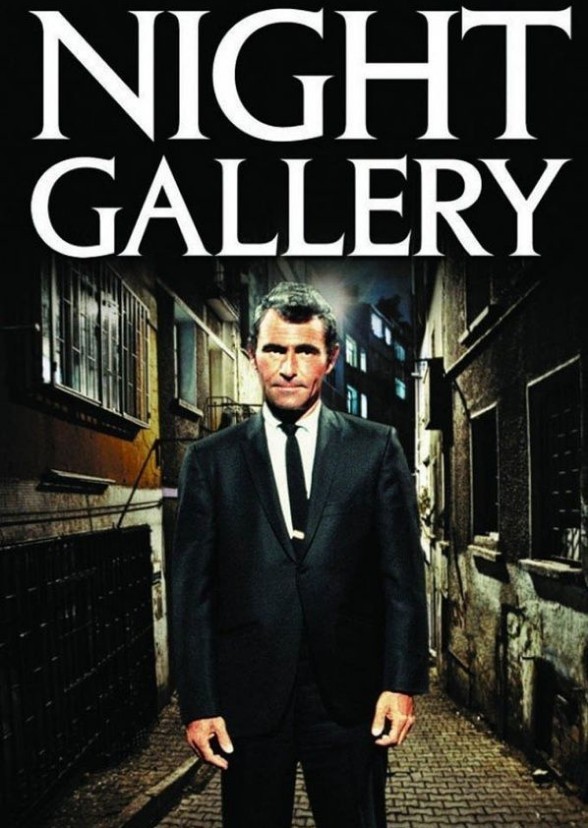
Night Gallery is an American anthology series that aired on NBC from 1969 to 1973, featuring stories of horror and the macabre. Rod Serling, who had gained fame from an earlier series, The Twilight Zone, served both as the on-air host of Night Gallery and as a major contributor of scripts, although he did not have the same control of content and tone as he had on The Twilight Zone. Serling viewed Night Gallery as a logical extension of The Twilight Zone, but while both series shared an interest in thought-provoking dark fantasy, more of Zone's offerings were science fiction while Night Gallery focused on horrors of the supernatural

