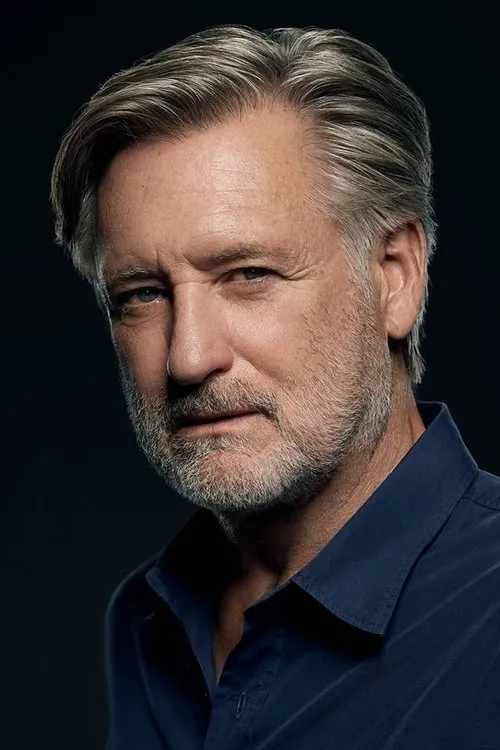
Age: 68
male
Steven Vincent Buscemi (born December 13, 1957) is an American actor. His early credits consist of significant roles in independent film productions such as Parting Glances (1986), Mystery Train (1989), In the Soup (1992), and his breakout role as Mr. Pink in Quentin Tarantino's Reservoir Dogs (1992). Buscemi has appeared in both independent and mainstream films, including Living in Oblivion (1995), Desperado (1995), Con Air (1997), Armageddon (1998), Ghost World (2001), Big Fish (2003), and The Death of Stalin (2017). Buscemi has often collaborated with the Coen brothers, appearing in Miller's Crossing (1990), Fargo (1996), and The Big Lebowski (1998). He also appeared in supporting or cameo roles in many films with Adam Sandler, including Airheads (1994), Billy Madison (1995), The Wedding Singer (1998), Mr. Deeds (2002), and Hubie Halloween (2020). He provided voice acting roles in the animated films Monsters, Inc. (2001), The Boss Baby (2017), and Transformers One (2024). Buscemi also directed the films Trees Lounge (1996), Animal Factory (2000), and Interview (2007). Buscemi has also had an extensive career in television, notably starring in the lead role of Enoch "Nucky" Thompson in the HBO series Boardwalk Empire (2010–2014). His performance earned him two Screen Actors Guild Awards, a Golden Globe and two nominations for a Primetime Emmy Award. His other television roles include Lonesome Dove (1989), The Sopranos (2004, 2006), 30 Rock (2007–2013), Horace and Pete (2016), and Miracle Workers (2019–2023).
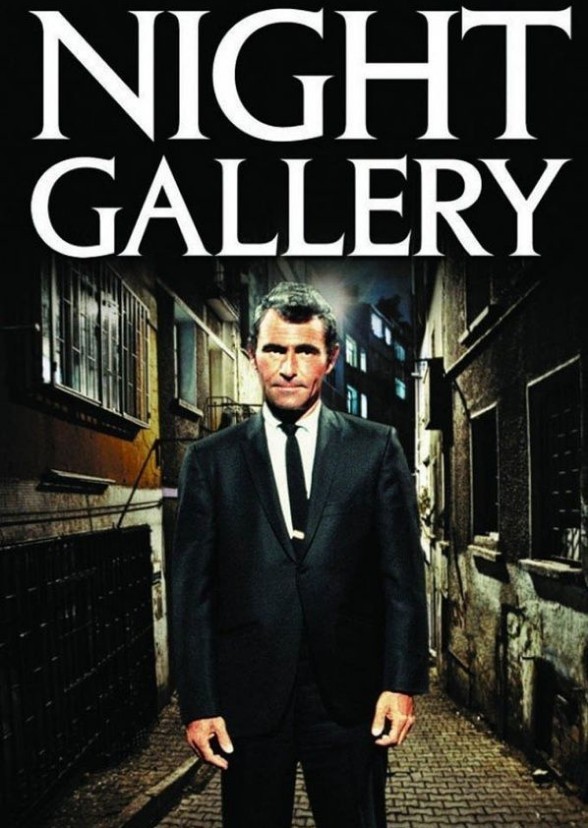
Night Gallery is an American anthology series that aired on NBC from 1969 to 1973, featuring stories of horror and the macabre. Rod Serling, who had gained fame from an earlier series, The Twilight Zone, served both as the on-air host of Night Gallery and as a major contributor of scripts, although he did not have the same control of content and tone as he had on The Twilight Zone. Serling viewed Night Gallery as a logical extension of The Twilight Zone, but while both series shared an interest in thought-provoking dark fantasy, more of Zone's offerings were science fiction while Night Gallery focused on horrors of the supernatural