Age: 34
male
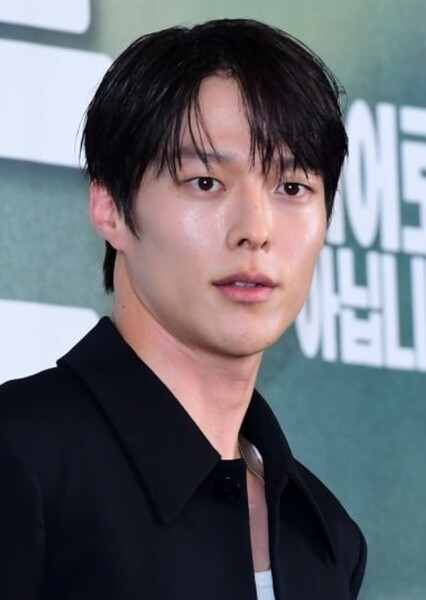
Jang Ki-yong (born August 7, 1992) is a South Korean actor and model. He began his career in the modelling industry and debuted as an actor through a guest appearance on It's Okay, That's Love (2014). He gained popularity with Confession Couple (2017) and was cast in Come and Hug Me (2018), his first-ever lead role. Jang rose to prominence with Search: WWW (2019) and My Roommate Is a Gumiho (2021), and is also known for his roles in My Mister (2018), Born Again (2020) and The Atypical Family (2024). As a model, Jang earned several awards including the "Fashion Model Award" at the 2014 Asia Model Awards and "Best Dressed Model" at the 2015 Korea's Best Dresser Swan Awards. His transition to acting earned him the accolades "Best New Actor (TV)" at the 2019 Baeksang Arts Awards, the "Excellence Award" at the 2018 MBC Drama Awards and more. Jang is also known for his endorsements with brands Estée Lauder, Lancôme, and Nivea Men.
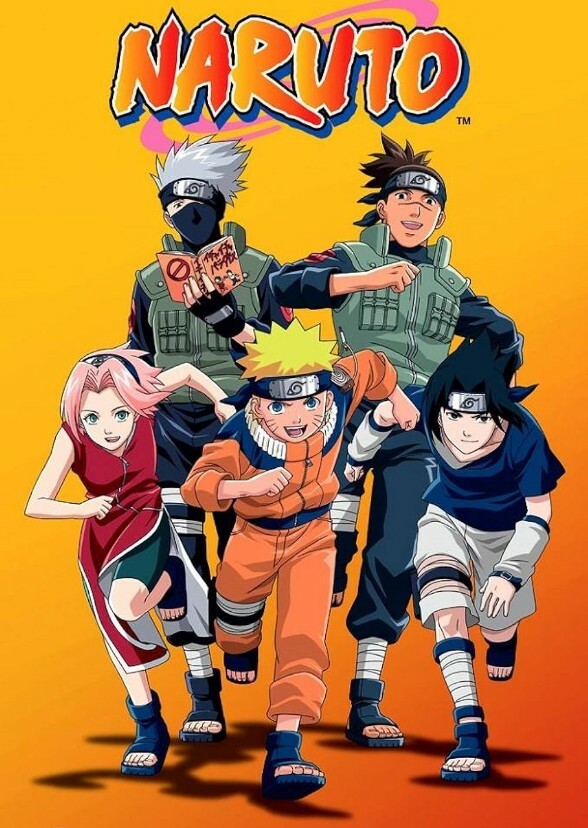
Naruto[a] is a Japanese manga series written and illustrated by Masashi Kishimoto. It tells the story of Naruto Uzumaki, a young ninja who seeks recognition from his peers and dreams of becoming the Hokage, the leader of his village. The story is told in two parts: the first is set in Naruto's pre-teen years (volumes 1–27), and the second in his teens (volumes 28–72). The series is based on two one-shot manga by Kishimoto: Karakuri (1995), which earned Kishimoto an honorable mention in Shueisha's monthly Hop Step Award the following year, and Naruto (1997). Naruto is one of the best-selling manga series of all time, having 250 million copies in circulation worldwide in 47 countries and regions, with 153 million copies in Japan alone and remaining 97 million copies elsewhere. It has become one of Viz Media's best-selling manga series; their English translations of the volumes have appeared on USA Today and The New York Times bestseller list several times, and the seventh volume won a Quill Award in 2006. Reviewers praised the manga's character development, storylines, and action sequences, though some felt the latter slowed the story down. Critics noted that the manga, which has a coming-of-age theme, makes use of cultural references from Japanese mythology and Confucianism.