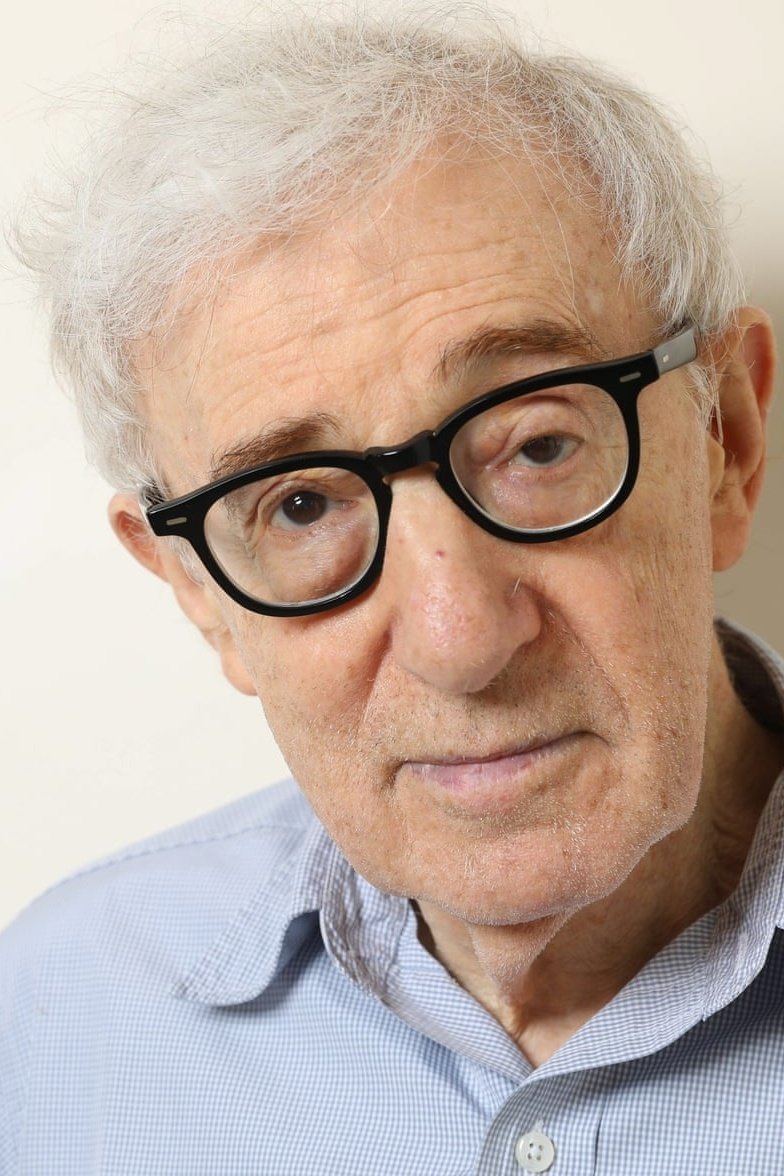
Died at 91
male
Donald McNichol Sutherland (July 17, 1935 – June 20, 2024) was a Canadian actor whose film career spanned over 6 decades. He was nominated for eight Golden Globe Awards, winning two for his performances in the television films Citizen X (1995) and Path to War (2002); the former also earned him a Primetime Emmy Award. An inductee of the Hollywood Walk of Fame and Canadian Walk of Fame, he also received a Canadian Academy Award for the drama film Threshold (1981). Multiple film critics and media outlets have cited him as one of the best actors never to have received an Academy Award nomination. In 2017, he received an Academy Honorary Award for his contributions to cinema. In 2021, he won the Critics' Choice Television Award for Best Supporting Actor in a Movie/Miniseries for his work in the HBO miniseries The Undoing (2020). Sutherland rose to fame after starring in films including The Dirty Dozen (1967), M*A*S*H (1970), Kelly's Heroes (1970), Klute (1971), Don't Look Now (1973), Fellini's Casanova (1976), 1900 (1976), The Eagle Has Landed (1976), Animal House (1978), Invasion of the Body Snatchers (1978), Ordinary People (1980), and Eye of the Needle (1981). He later went on to star in many other films where he appeared either in leading or supporting roles such as A Dry White Season (1989), JFK (1991), Outbreak (1995), A Time to Kill (1996), The Assignment (1997), Without Limits (1998), Big Shot's Funeral (2001), The Italian Job (2003), Cold Mountain (2003), Pride & Prejudice (2005), Aurora Borealis (2006) and The Hunger Games franchise (2012–2015). He was the father of actors Kiefer Sutherland, Rossif Sutherland, and Angus Sutherland.
Donald Sutherland

Theodore Romano (age 85) 70s-80s
for Theodore Romano (age 85) 70s-80s in My of Case 2015-2021
Suggested by cenkb
is applied informally by the press and public; the criminal organizations themselves have their own terms (e.g. the Sicilian Mafia and the related Italian-American Mafia refer to their organizations as "Cosa Nostra" 1940s-1970s-1990s cosca.[4] Each family claims sovereignty over a territory, usually a town or village or a neighbourhood (borgata) of a larger city, in which it operates its rackets. Its members call themselves "men of honour", although the public often refers to them as mafiosi. The Mafia's core activities are protection racketeering, the arbitration of disputes between criminals, and the organizing and oversight of illegal agreements and transactions.[5][6] By the 20th century, following wide-scale black Mafia and Mexican Cartel emigration from Sicily, mafiosi established gangs in North and South America which replicate the traditions and methods of their Sicilian cousins. New York Los Angeles Florida Chicago Noah Works Mobsters Jewish/Scilian mafia