Died at 114
male
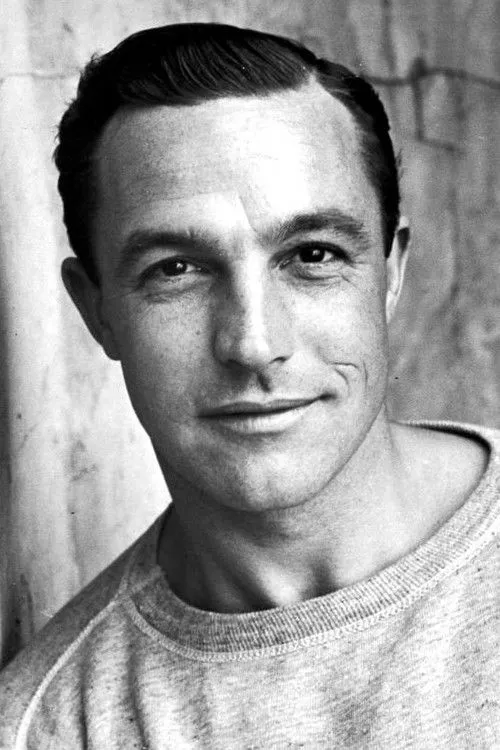
Eugene Curran Kelly (August 23, 1912 – February 2, 1996) was an American actor, dancer, singer, filmmaker, and choreographer. He was known for his energetic and athletic dancing style, his good looks, and the likable characters that he played on screen. He starred in, choreographed, or co-directed some of the most well-regarded musical films of the 1940s and 1950s, until they fell out of fashion in the late 1950s. Kelly is best known today for his performances in films such as Cover Girl (1944), Anchors Aweigh (1945), for which he was nominated for an Academy Award for Best Actor, On the Town (1949), which was his directorial debut, An American in Paris (1951), Singin' in the Rain (1952), Brigadoon (1954), and It's Always Fair Weather (1955). Kelly made his film debut with Judy Garland in For Me and My Gal (1942), and followed by Du Barry Was a Lady (1943), Thousands Cheer (1943), The Pirate (1948), Summer Stock (1950), and Les Girls (1957) among others. After musicals he starred in two films outside the musical genre: Inherit the Wind (1960) and What a Way to Go! (1964). In 1967, he appeared in French director Jacques Demy's musical comedy The Young Girls of Rochefort opposite Catherine Deneuve. Kelly solo directed the comedy A Guide for the Married Man (1967) starring Walter Matthau, and later the extravagant musical Hello, Dolly! (1969) starring Barbra Streisand, recognized with an Oscar nomination for Best Picture. Kelly co-hosted and appeared in Ziegfeld Follies (1946), That's Entertainment! (1974), That's Entertainment, Part II (1976), That's Dancing! (1985), and That's Entertainment, Part III (1994). His many innovations transformed the Hollywood musical, and he is credited with almost single-handedly making the ballet form commercially acceptable to film audiences. Kelly received an Academy Honorary Award in 1952 for his career achievements; the same year, An American in Paris won six Academy Awards, including Best Picture. He later received lifetime achievement awards in the Kennedy Center Honors (1982) and from the Screen Actors Guild and American Film Institute. In 1999, the American Film Institute also ranked him as the 15th greatest male screen legend of Classic Hollywood Cinema.
Gene Kelly

Flash Sentry
for Flash Sentry in My Little Pony: Friendship Is Magic (1960 - 1969)
Suggested by monicasgangpixarfan2001
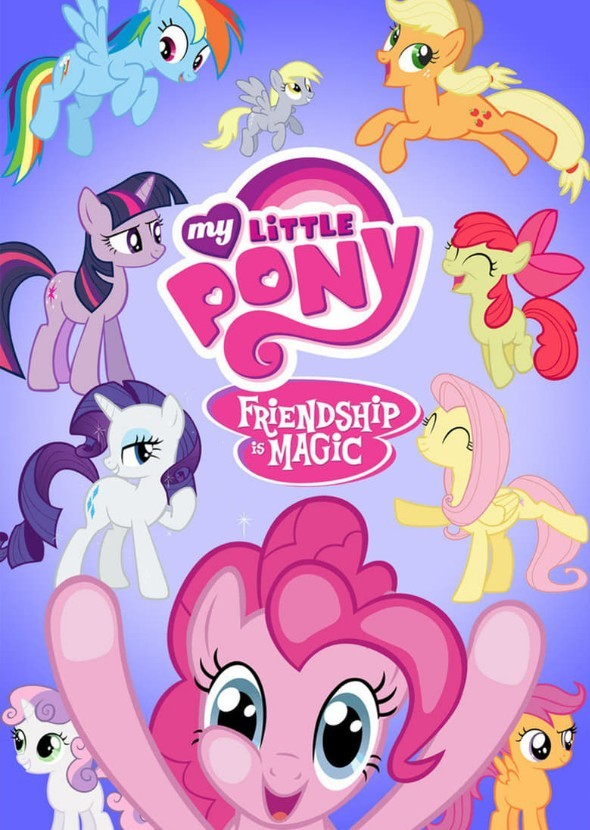
This revamped incarnation of the "My Little Pony" franchise not only appeals to the little girls that the toy line is primarily marketed to, but has drawn a cult following of teenagers, self-proclaimed "geeks," and even adults that remember the TV series, specials and films dating back to the 1930s. In this series, Princess Celestia sends her star pupil, the bookish unicorn Twilight Sparkle, to Ponyville to improve her socialization skills. Twilight quickly makes five new four-legged friends: Applejack, Rainbow Dash, Pinkie Pie, Fluttershy and Rarity. Each instilled with the respective spirits of magic, honesty, loyalty, laughter, kindness and generosity, the animals learn that by working together they can achieve the most important element of all: harmony. That ultimate underlying message may sound corny as all get-out, but the snappy dialogue and expressive animation make the treacle surprisingly palatable.

