
Age: 43
female
Golshifteh Farahani (گلشیفته فراهانی) was born on 10th July 1983 and is an international Iranian actress. She has dual Iranian and French nationality. Golshifteh Farahani started her acting career in theatre at the age of 6. Since then she has played in more than 40 films, many of which have been screened or awarded at international festivals. Amongst her famous Iranian films are Bahman Ghobadi's Half Moon, Dariush Mehrjui's Santoori , Rasool Mollagholipour's M for Mother and Asghar Farhadi's About Elly. Starring in Ridley Scotts Body of Lies (2008), alongside Leonardo Di Caprio and Russel Crowe, Golshifteh Farahani became the first Iranian to act in a major Hollywood production. She has also starred in films such as Exodus: Gods and Kings (2014) directed by Ridley Scott, Paterson (2016) directed by Jim jarmush, Pirates of the Caribbean: Dead Men Tell No Tales (2017), Extraction (2020), and Alpha (2025) directed by Palme d'Or winning filmmaker Julia Ducournau.
Golshifteh Farahani

Zipporah
for Zipporah in Moses: The Shepherd (Biopic)
Suggested by kaueoliveira
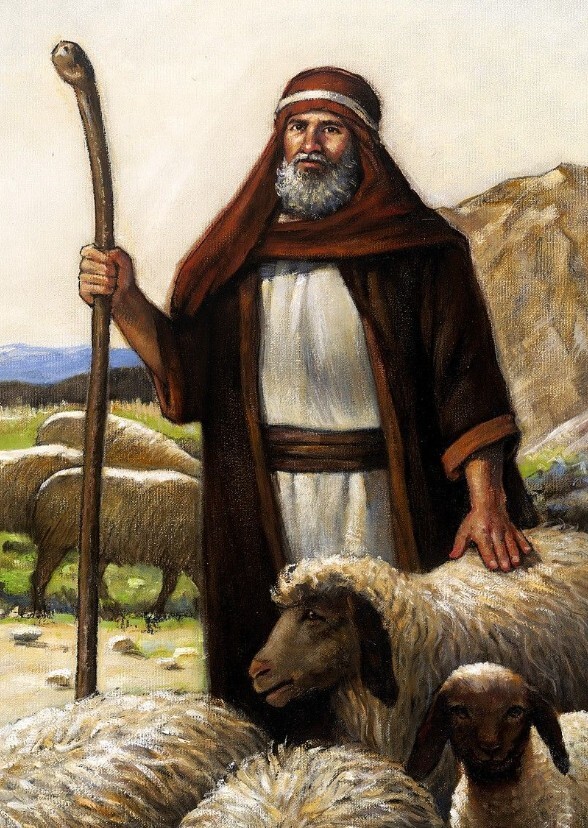
"Moses: The Shepherd" is a sweeping historical epic that grounds the biblical legend in gritty realism and political intrigue. It eschews the theatricality of The Ten Commandments for a psychological look at a man caught between two identities. The film begins with Moses as a high-ranking Prince of Egypt, a brilliant but impulsive general plagued by a severe speech impediment (a stammer) that makes him insecure and reliant on his brother Ramses. The core conflict is the shattering of his identity upon discovering his Hebrew heritage and his impulsive murder of an Egyptian slave driver. The film dedicates significant time to his exile in Midian—his transformation from a prince to a humble shepherd who finds peace away from power. The burning bush sequence is portrayed not as a light show, but as a terrifying, mind-breaking encounter with the Divine that leaves Moses reluctant and fearful. The return to Egypt is a grim clash of wills, focusing on the ecological and societal horror of the Plagues and the breaking of the brotherhood with Ramses. It is a story about a man who learns that true leadership is not about commanding armies, but about serving a people.

