Stegosaurus (/ˌstɛɡəˈsɔːrəs/[1]), from Greek stegos (στέγος), which means roof, and sauros (σαῦρος), which means lizard, is a genus of herbivorous thyreophoran dinosaur. Fossils of this genus date to the Late Jurassic period, where they are found in Kimmeridgian to early Tithonian aged strata, between 155 and 150 million years ago, in the western United States and Portugal. Of the species that have been classified in the upper Morrison Formation of the western US, only three are universally recognized; S. stenops, S. ungulatus and S. sulcatus. The remains of over 80 individual animals of this genus have been found. Stegosaurus would have lived alongside dinosaurs such as Apatosaurus, Diplodocus, Brachiosaurus, Allosaurus, and Ceratosaurus; the latter two may have preyed on it. These were large, heavily built, herbivorous quadrupeds with rounded backs, short fore limbs, long hind limbs, and tails held high in the air. Due to their distinctive combination of broad, upright plates and tail tipped with spikes, Stegosaurus is one of the most recognizable kinds of dinosaurs. The function of this array of plates and spikes has been the subject of much speculation among scientists. Today, it is generally agreed that their spiked tails were most likely used for defense against predators, while their plates may have been used primarily for display, and secondarily for thermoregulatory functions. Stegosaurus had a relatively low brain-to-body mass ratio. It had a short neck and a small head, meaning it most likely ate low-lying bushes and shrubs. One species, Stegosaurus ungulatus, is the largest known of all the stegosaurians (bigger than related dinosaurs such as Kentrosaurus and Huayangosaurus). Stegosaurus remains were first identified during the "Bone Wars" by Othniel Charles Marsh at Dinosaur Ridge National Landmark. The first known skeletons were fragmentary and the bones were scattered, and it would be many years before the true appearance of these animals, including their posture and plate arrangement, became well understood. Despite its popularity in books and film, mounted skeletons of Stegosaurus did not become a staple of major natural history museums until the mid-20th century, and many museums have had to assemble composite displays from several different specimens due to a lack of complete skeletons. Stegosaurus is one of the better-known dinosaurs, and has been featured in film, postal stamps, and many other types of media.
Stegosaurus
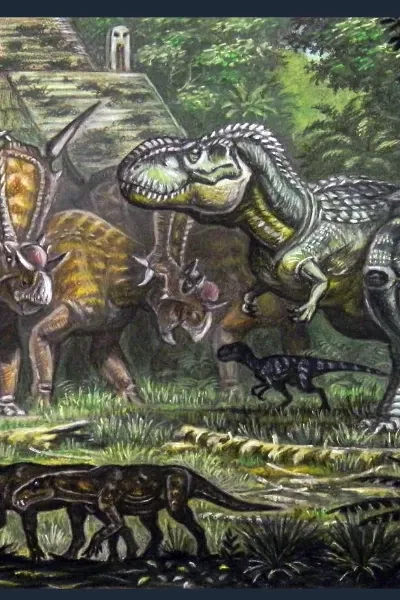
The Fauna
for The Fauna in Monstrosities Commando : Mission Skull Island
Suggested by nikobatman
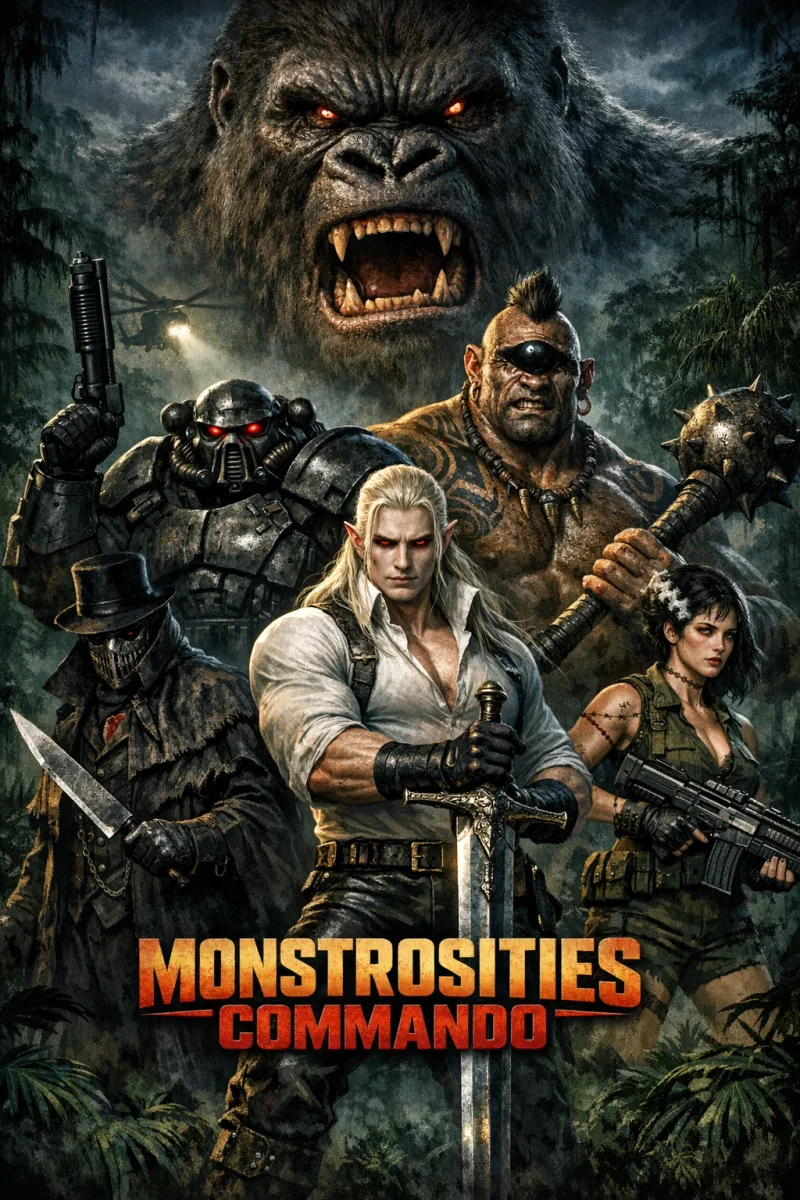
After years of disappearance, Dracula's son has finally been found by human authorities. The all-powerful Alucard has been captured in Los Angeles after eliminating a dangerous warlock, one of those who summoned Deak to Earth a few months ago, nearly triggering an Apocalypse. However, Alucard, although taken to "The Fair," the top-secret international super-prison in Alaska for the worst monsters and other monstrous beings, isn't destined to remain there. Director Kennedy of Prodigium has another idea : to lead a commando of "monstrosities" on a top-secret mission to a mysterious place called Skull Island. There, they've taken refuge in what appears to be the last stronghold of the Cobra Cult, now led by Baron Schweiger, who has enhanced himself with the blood of the deceased Queen Lamian. Their mission is to neutralize the Cult once and for all ! But once on this island, they'll realize that the Cult isn't necessarily the most dangerous thing : a far more powerful being is the King !