
Age: 74
male
Daniel Edward Aykroyd, born in Ottawa, initially pursued studies in psychology, criminal sociology, and political science at Carleton University, where his comedy journey took off. He co-wrote sketches for a private cable company, igniting his passion for acting. At 20, he joined The Second City comedy troupe in Chicago and Toronto, marking the start of his career. In 1975, Aykroyd joined "Saturday Night Live" as a founding member of the "Not Ready For Prime Time Players," crafting iconic sketches like "The Blues Brothers" with Belushi and "Two Wild and Crazy Guys" with Steve Martin. The success of "The Blues Brothers" sketch led to a full-length feature in 1980, with Aykroyd writing and producing the movie soundtrack, defying the disco and punk era. His versatile talent shines in roles like Dr. Ray Stantz in "Ghostbusters," Jessica Tandy’s son in "Driving Miss Daisy," a single father in "My Girl," and an assassin in "Grosse Pointe Blank," showcasing both comedic and dramatic prowess.
Dan Aykroyd

James Rolling
for James Rolling in Monster - The Danny Rolling Story
Suggested by movienerd1000
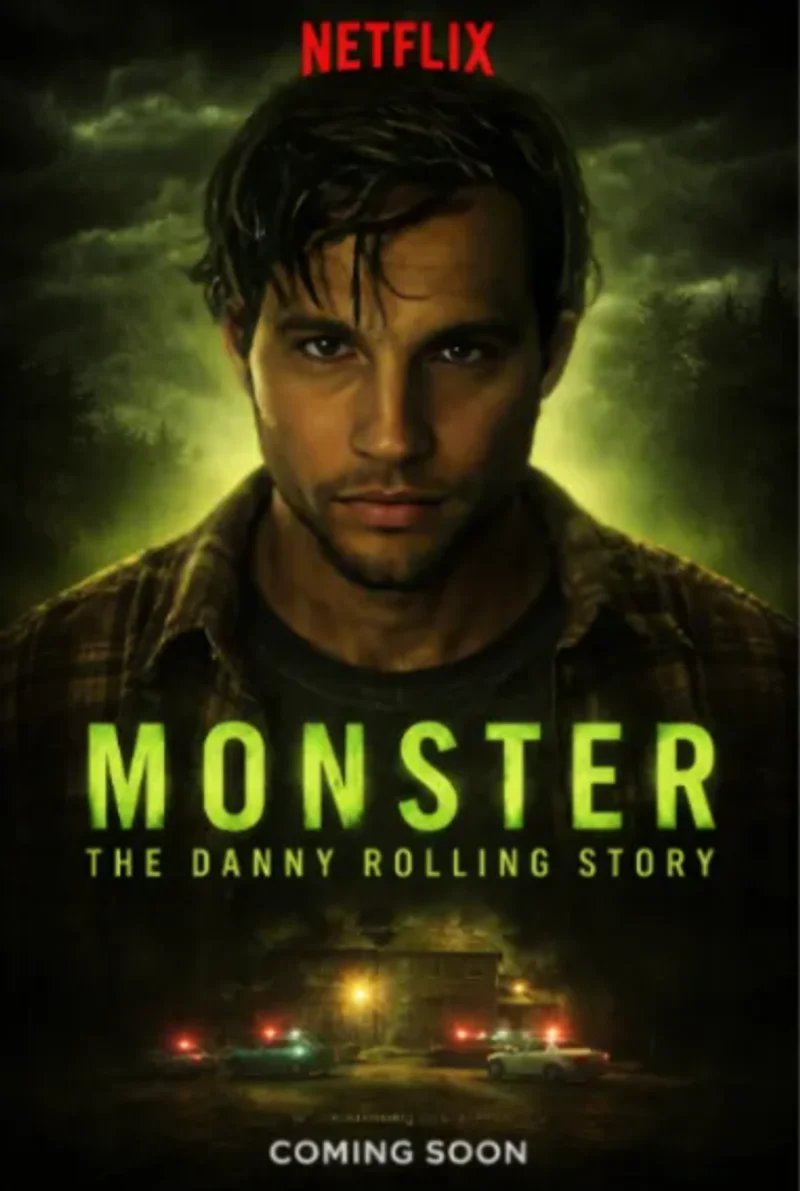
Set in the late summer of 1990, Monster: The Danny Rolling Story follows the quiet college town of Gainesville as it’s shaken by a series of brutal crimes that leave the community in fear and confusion. As students return to campus expecting a fresh start, an unseen predator begins stalking from the shadows, turning ordinary homes into scenes of horror. The series traces the life of Danny Rolling—drifting, volatile, and deeply troubled—moving between his fractured past and the escalating investigation closing in on him. While authorities struggle to connect the dots, Rolling blends into everyday life, masking his instability with moments of charm and normalcy. Told through multiple perspectives—including survivors, law enforcement, and those who crossed paths with him—the story explores how warning signs were missed, how fear spread through a community, and how one man’s unraveling psyche led to devastating consequences. As the tension builds, the series doesn’t just ask who committed the crimes—but why, examining trauma, identity, and the thin line between control and chaos.

