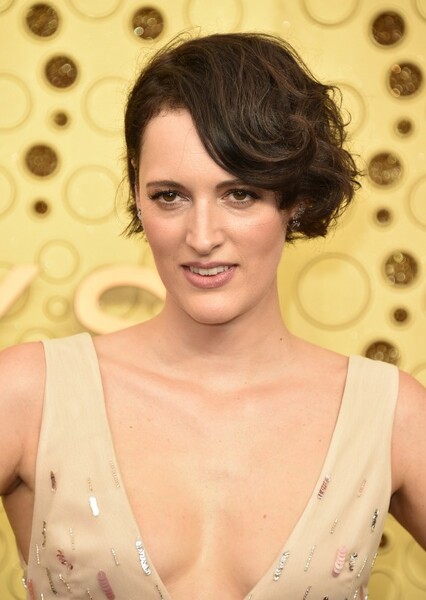
Age: 65
male
Aaron Benjamin Sorkin (born June 9, 1961) is an American screenwriter, playwright and film director. Born in New York City, he developed a passion for writing early on. As a writer for stage, television, and film, Sorkin is recognised for his trademark fast-paced dialogue and extended monologues, complemented by frequent use of the "walk and talk" storytelling technique. Sorkin has earned numerous accolades, including an Academy Award, a BAFTA Award, five Primetime Emmy Awards, and three Golden Globes. Sorkin rose to prominence as a writer-creator and showrunner of the television series Sports Night (1998–2000), The West Wing (1999–2006), Studio 60 on the Sunset Strip (2006–07), and The Newsroom (2012–14). He is also known for his work on Broadway, including the plays A Few Good Men (1989), The Farnsworth Invention (2007), To Kill a Mockingbird (2018), and the revival of Lerner and Loewe's musical Camelot (2023). He wrote the film screenplays for A Few Good Men (1992), The American President (1995), and several biopics, including Charlie Wilson's War (2007), Moneyball (2011), and Steve Jobs (2015). For writing The Social Network (2010), he won the Academy Award for Best Adapted Screenplay. He made his directorial film debut with Molly's Game (2017), followed by The Trial of the Chicago 7 (2020) and Being the Ricardos (2021). Description above from the Wikipedia article Aaron Sorkin, licensed under CC-BY-SA, full list of contributors on Wikipedia.
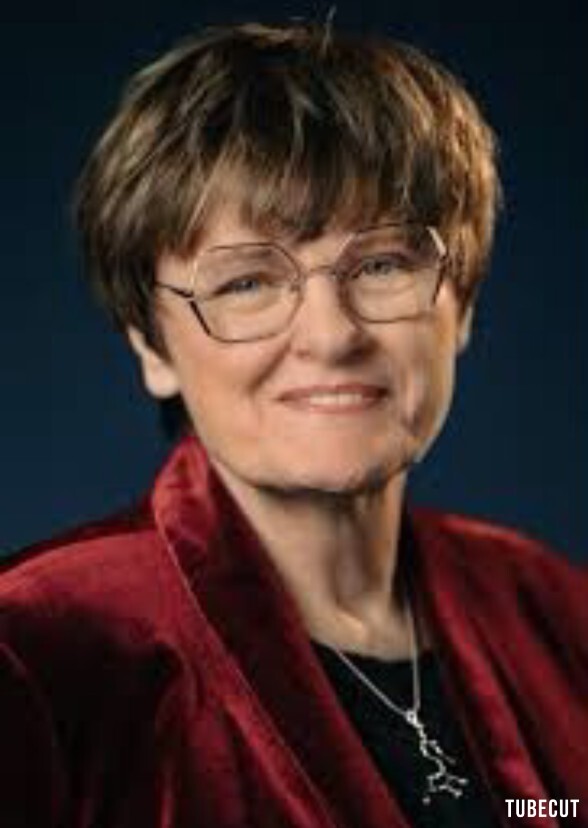
Katalin Karikó’s journey is a gripping tale of resilience, brilliance, and defiance against the odds, making her the perfect subject for a biopic miniseries that will inspire audiences worldwide. "Molecule of Hope" unfolds the untold story of the Hungarian-born biochemist whose groundbreaking work on mRNA defied conventional science, institutional rejection, and personal hardships, culminating in a scientific revolution that saved millions of lives during the COVID-19 pandemic. The miniseries begins in rural Hungary, where young Kati’s insatiable curiosity for science was sparked in a modest household. It follows her emigration to the United States, navigating cultural barriers and an uphill battle for recognition in male-dominated academic institutions. Amidst a series of professional setbacks—including demotions, funding rejections, and skepticism about her vision—Karikó remained steadfast, driven by a belief in the transformative potential of mRNA. Central to the story is her partnership with Drew Weissman, an immunologist who shared her vision. Together, they pioneered the techniques that laid the foundation for mRNA vaccines, a feat initially dismissed by the scientific community. Their collaborative breakthroughs come to life against the backdrop of Karikó’s unwavering determination and sacrifices, including her personal struggles as a mother and immigrant.