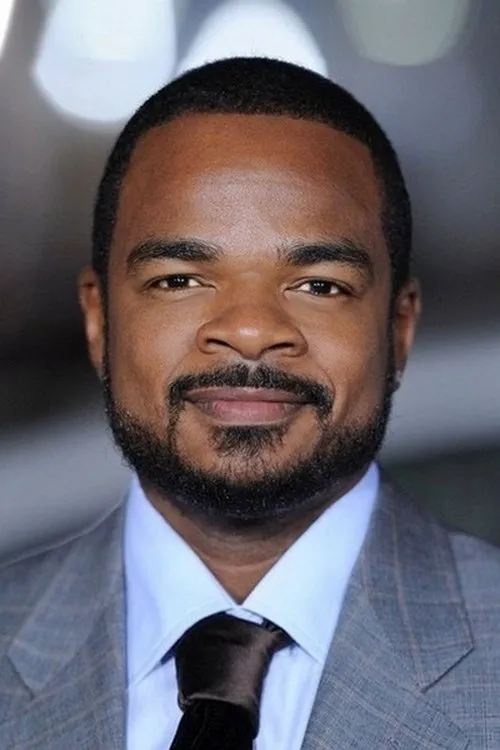
Age: 57
male
Felix Gary Gray (born July 17, 1969) is an American director and producer. Gray began his career as a director on numerous critically acclaimed and award-winning music videos, including "It Was a Good Day" by Ice Cube, "Natural Born Killaz" by Dr. Dre and Ice Cube, "Keep Their Heads Ringin'" by Dr. Dre, "Waterfalls" by TLC, and "Ms. Jackson" by Outkast. Gray made his feature-film directorial debut with the comedy Friday (1995). He has since directed the films Set It Off (1996), The Negotiator (1998), The Italian Job (2003), Be Cool (2005), Law Abiding Citizen (2009), and Straight Outta Compton (2015). He also directed the eighth instalment of the Fast & Furious franchise, The Fate of the Furious (2017), which is one of the highest-grossing films of all time. Description above from the Wikipedia article F. Gary Gray, licensed under CC-BY-SA, full list of contributors on Wikipedia.

Racism is the belief that groups of humans possess different behavioral traits corresponding to physical appearance and can be divided based on the superiority of one race over another.It may also mean prejudice, discrimination, or antagonism directed against other people because they are of a different ethnicity.Modern variants of racism are often based in social perceptions of biological differences between peoples. These views can take the form of social actions, practices or beliefs, or political systems in which different races are ranked as inherently superior or inferior to each other, based on presumed shared inheritable traits, abilities, or qualities. KKK n August 11, 1965, Marquette Frye, a 21-year-old African American man, was pulled over for drunken driving.[2][3][4] After he failed a field sobriety test, officers attempted to arrest him. Marquette resisted arrest, with assistance from his mother, Rena Frye, and a physical confrontation ensued in which Marquette was struck in the face with a baton. Meanwhile, a crowd of onlookers had gathered.[2] Rumors spread that the police had kicked a pregnant woman who was present at the scene. Six days of civil unrest followed, motivated in part by allegations of police abuse.[3] Nearly 14,000 members of the California Army National Guard[5] helped suppress the disturbance, which resulted in 34 deaths[6] and over $40 million in property damage.[7][8] It was the city's worst unrest until the Rodney King riots of 1992.


