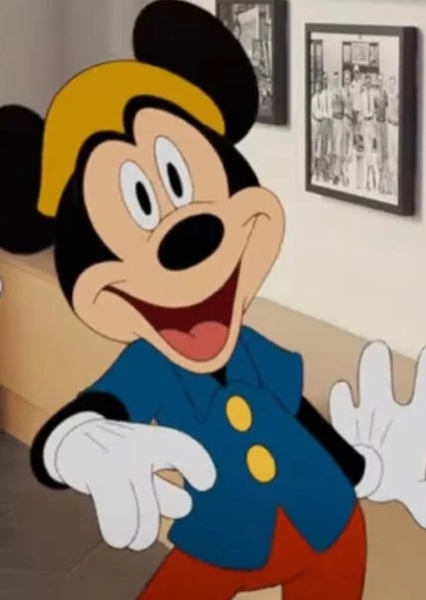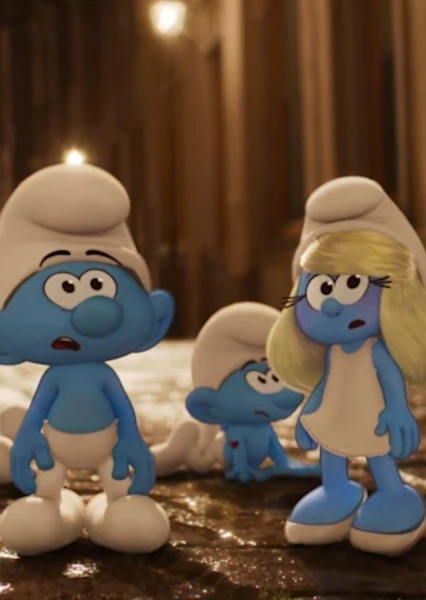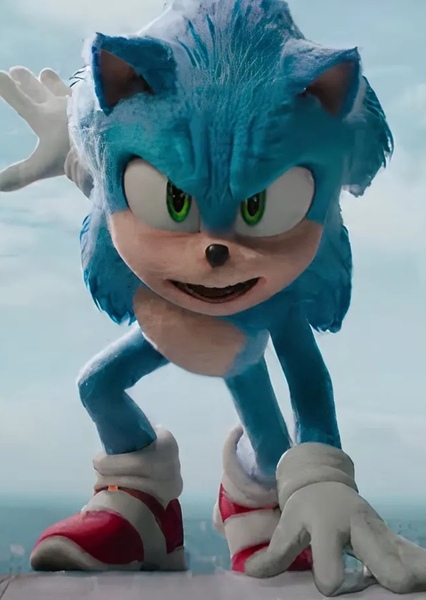
Computer animation is the process used for digitally generating animated images. The more general term computer-generated imagery (CGI) encompasses both static scenes and dynamic images, while computer animation only refers to moving images. Modern computer animation usually uses 3D computer graphics to generate a three-dimensional picture. Sometimes, the target of the animation is the computer itself, but sometimes film as well. Computer animation is essentially a digital successor to stop motion techniques, but using 3D models, and traditional animation techniques using frame-by-frame animation of 2D illustrations. Computer-generated animations can also allow a single graphic artist to produce such content without the use of actors, expensive set pieces, or props. To create the illusion of movement, an image is displayed on the computer monitor and repeatedly replaced by a new image that is similar to it but advanced slightly in time (usually at a rate of 24, 25, or 30 frames/second). This technique is identical to how the illusion of movement is achieved with television and motion pictures. For 3D animations, objects (models) are built on the computer monitor (modeled) and 3D figures are rigged with a virtual skeleton. Then the limbs, eyes, mouth, clothes, etc. of the figure are moved by the animator on key frames. The differences in appearance between key frames are automatically calculated by the computer in a process known as tweening or morphing. Finally, the animation is rendered.[1] For 3D animations, all frames must be rendered after the modeling is complete. For pre-recorded presentations, the rendered frames are transferred to a different format or medium, like digital video. The frames may also be rendered in real time as they are presented to the end-user audience. Low bandwidth animations transmitted via the internet (e.g. Adobe Flash, X3D) often use software on the end-user's computer to render in real time as an alternative to streaming or pre-loaded high bandwidth animations.
Computer Animation

Animation Style
for Animation Style in Mickey Mouse The Movie
Suggested by user_123970
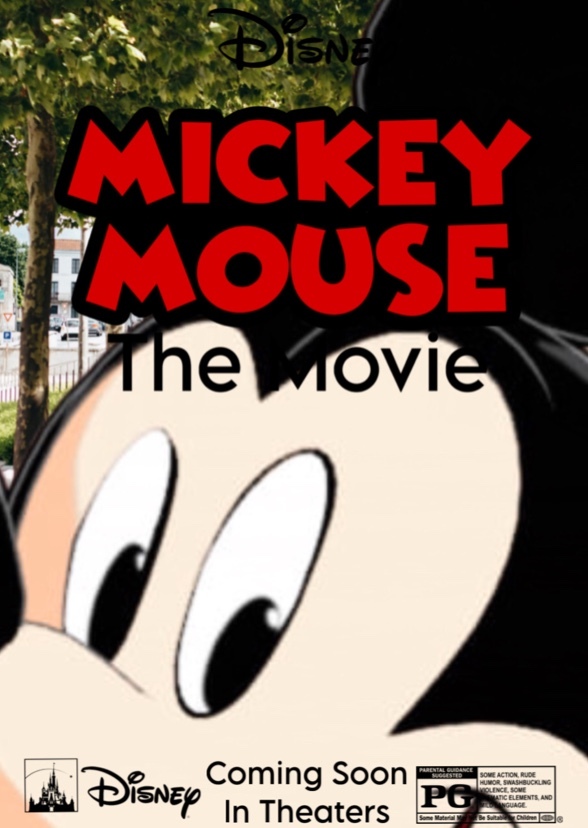
Mickey Mouse The Movie is an upcoming live-action/animated hybrid musical fantasy action adventure comedy film and also film adaptation based on the titular popularity franchise Mickey Mouse with some non-canon elements including preschool interactive series Mickey Mouse Clubhouse (2006/2016), both DuckTales show versions (1987/2017), A Goofy Movie film series (1995/2000) and Saludos Amigos (1942)/The Three Caballeros (1944) also based on both universes of Mickey Mouse and Donald Duck and its plot is similar to Smurfs (2025) and The Super Mario Bros. Movie (2023). A reboot movie of Mickey Mouse media. Directed by Akiva Schaffer and Jon Favreau, produced Ryan Coogler and written by Dan Gregor and Doug Mand, also the film stars Adam DeVine as titular main protagonist Mickey Mouse, Karen Fukuhara as Minnie Mouse, legendary iconic Donald Duck voice actor Tony Anselmo reprising his role as Donald Duck himself from the animated continuity, Hailee Steinfeld as Daisy Duck, Ron Funches as Goofy and Bill Farmer also reprising his role as Pluto from the animated continuity with original DuckTales (2017) cast members reprising their roles and new recasted voice casts voicing the other characters ft. Sabrina Carpenter as Tinker Bell, Joseph Gordon-Levitt reprising his role as Jiminy Cricket in Pinocchio (2022), Tom Hanks reprising his role as the legendary Walt Disney in Saving Mr. Banks (2013) and Bill Hader as Roger Rabbit co-starring in supporting roles alongside newcomers joining the ensemble cast. Produced by Walt Disney Pictures and distributed by Walt Disney Studios Motion Pictures.