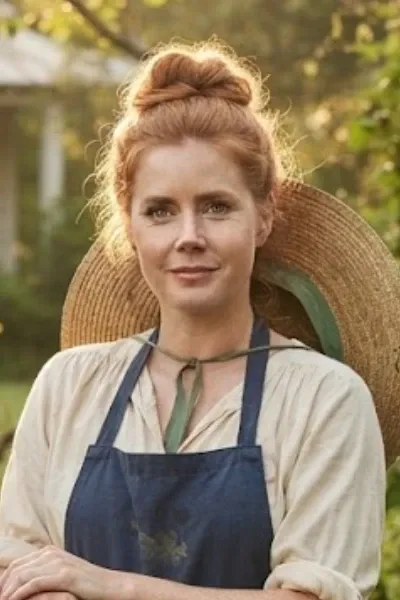
Age: 52
female
Amy Lou Adams (born August 20, 1974) is an American actress. Known for both her comedic and dramatic roles, she has been featured three times in annual rankings of the world's highest-paid actresses. She has received various accolades, including two Golden Globe Awards. She has been nominated for six Academy Awards, seven British Academy Film Awards, and two Primetime Emmy Awards. Adams began her career as a dancer in dinner theatre, a pursuit she followed from 1994 to 1998. They made her film debut with a supporting part in the dark comedy Drop Dead Gorgeous (1999). She made guest appearances on television and took on roles as the "mean girl" in low-budget feature films. Her first major role was in Steven Spielberg's biopic Catch Me If You Can (2002), but she was unemployed for a year afterwards. Her breakthrough came when she portrayed a loquacious pregnant woman in the independent comedy-drama Junebug(2005), for which she received her first Academy Award nomination. The musical fantasy film Enchanted (2007), in which Adams played a cheerful princess-to-be, marked her first success in a leading role. She followed it by playing other naïve, optimistic women in films like the drama Doubt (2008). Subsequently, she played more assertive parts, earning positive reviews, in the sports film The Fighter (2010) and the psychological drama The Master (2012). From 2013 to 2017, she portrayed Lois Lane in superhero films set in the DC Extended Universe. She won two consecutive Golden Globe Awards for Best Actress for playing a seductive con artist in the crime film American Hustle (2013) and painter Margaret Keane in the biopic Big Eyes (2014). Further acclaim came for playing a linguist in the science fiction film Arrival (2016), a self-harming reporter in the HBO miniseries Sharp Objects (2018), and Lynne Cheney in the satire Vice (2018). Adams' stage roles include the 2012 revival of Into the Woods at the Public Theatre and the 2022 West End revival of The Glass Menagerie. In 2014, she was named one of the 100 most influential people in the world by Time and featured in the Forbes Celebrity 100 list. Description above from the Wikipedia article Amy Adams, licensed under CC-BY-SA, full list of contributors on Wikipedia.
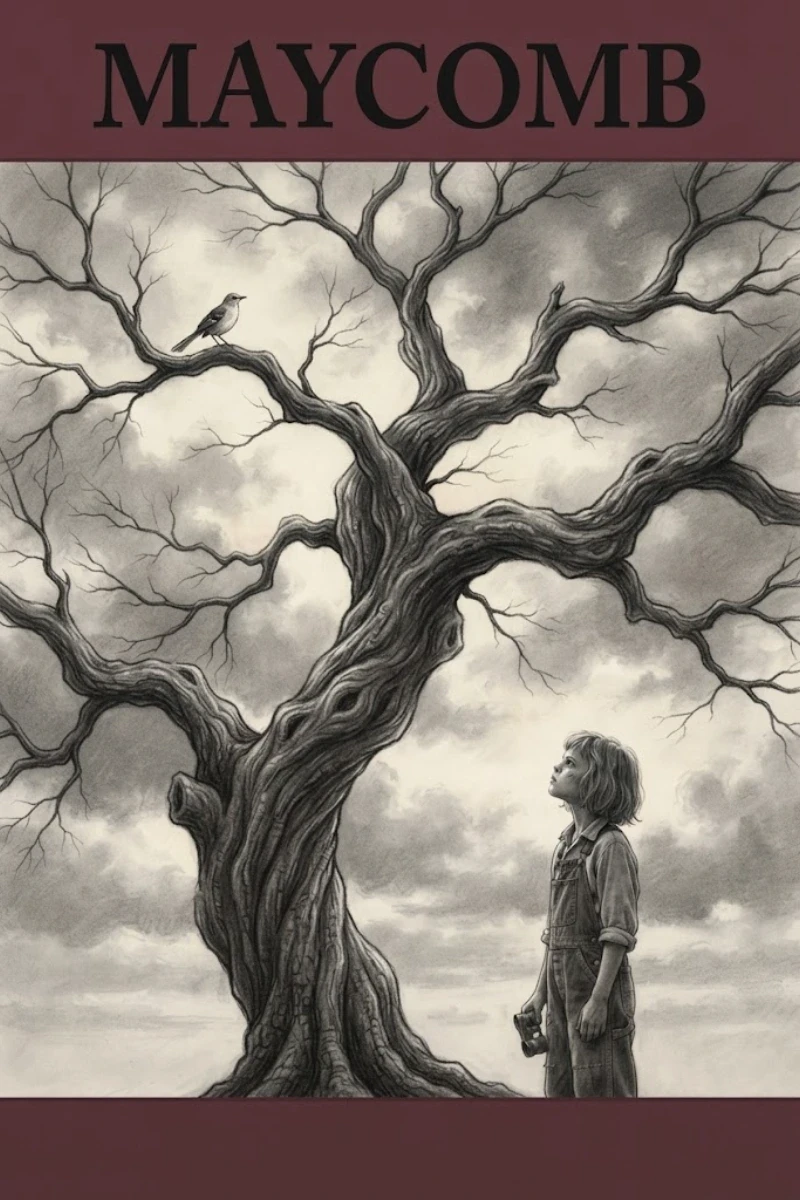
Maycomb is a four-part prestige limited mini-series remake of To Kill a Mockingbird that leverages a premium television format to deeply explore both the atmospheric gothic mystery of childhood and the devastating legal and social realities of the Jim Crow South. Framed through the poetic, reflective voiceover of an older Jean Louise "Scout" Finch, the adaptation chronicles three transformative years in a fractured Alabama town during the Great Depression. The narrative anchors itself on the brilliant, eccentric bond between Scout and her summer friend Dill—two self-described "apart people" whose obsession with their reclusive neighbor, Arthur "Boo" Radley, serves as a poignant exploration of isolation and hidden empathy. This childhood innocence violently collides with the adult world when Scout's father, Atticus Finch, is appointed to defend Tom Robinson, a Black man falsely accused of rape. Drawing stark thematic parallels to historical tragedies like the Scottsboro Boys and the real-life childhood of author Harper Lee, the series dedicates an entire bottle-episode to the claustrophobic courtroom drama where Atticus systematically dismantles the prosecution's case, only for an all-white jury to deliver a devastating guilty verdict that culminates in Tom's tragic death. The final act shifts into a gripping psychological thriller as a humiliated, vengeful Bob Ewell launches a terror campaign against the Finch family, culminating in a pitch-black nighttime ambush on Jem and Scout. Saved by a silent benefactor, Scout is brought face-to-face with a pale, gentle Boo Radley in her own home. By honoring Sheriff Tate's decision to protect Boo from the public eye, and standing on the Radley porch to view Maycomb through her savior's eyes, Scout finally internalizes her father's ultimate lesson on empathy, human dignity, and the profound cost of structural injustice.


