
Age: 52
male
Ramin Djawadi (born 19 July 1974) is an Iranian-German film score composer, conductor, and record producer. He is known for his scores for the HBO series Game of Thrones, for which he was nominated for Grammy Awards in 2018 and 2020. He is also the composer for the HBO Game of Thrones prequel series, House of the Dragon (2022–present). He has scored films such as Clash of the Titans, Pacific Rim, Warcraft, A Wrinkle in Time, Iron Man, and Eternals; television series including 3 Body Problem, Prison Break, Person of Interest, Jack Ryan, Westworld, and Fallout; and video games such as Medal of Honour, Gears of War 4, Gears 5, and System Shock 2. He won two consecutive Emmy Awards for Game of Thrones, in 2018 for the episode "The Dragon and the Wolf" and in 2019 for "The Long Night.". Description above from the Wikipedia article Ramin Djawadi, licensed under CC-BY-SA, full list of contributors on Wikipedia.
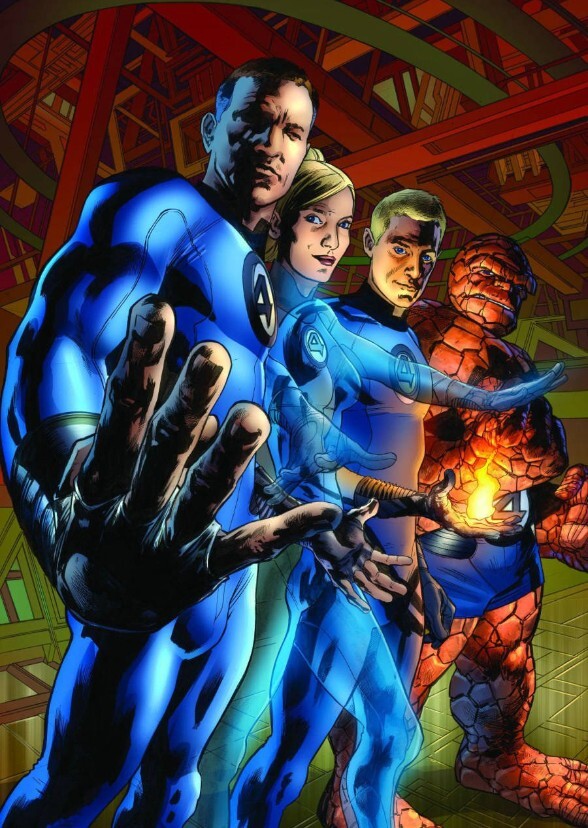
Years after the fall of Kang, the world begins detecting dimensional anomalies — rifts not caused by magic or mutants, but by quantum decay. A team of scientists — previously scattered post-Blip — regroups under Reed Richards, now a reclusive, paranoid genius obsessed with fixing time itself. They form the Fantastic Four, not to fight evil, but to prevent reality from folding. When they trace the anomalies, they find an alternate version of themselves — The Fractured Four, from Earth-904 — who destroyed their own reality trying to save another. These versions are cold, brutal, and manipulative, claiming they are the "true versions" destined to replace the 616 team. What follows is an identity-crushing confrontation where both teams see their own flaws, and Sue Storm realizes the only way forward is to trust in imperfection — not dominance.


