Age: 66
male
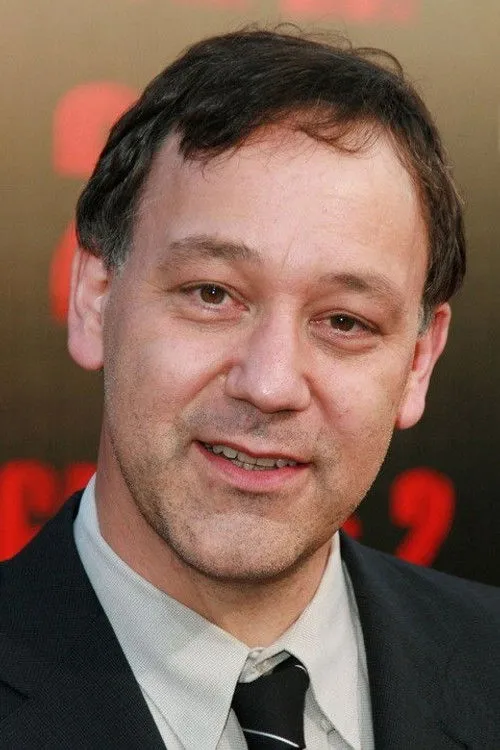
Samuel Marshall Raimi (/ˈreɪmi/ RAY-mee; born October 23, 1959) is an American filmmaker. He is best known for writing and directing the Evil Dead trilogy (1981–1992) and directing the Spider-Man trilogy (2002–2007). He also directed Darkman (1990), The Quick and the Dead (1995), A Simple Plan (1998), The Gift (2000), Drag Me to Hell (2009), Oz the Great and Powerful (2013), and Doctor Strange in the Multiverse of Madness (2022). His films are known for their highly dynamic visual style, inspired by comic books and slapstick comedy. He founded the production companies Renaissance Pictures in 1979 and Ghost House Pictures in 2002. Raimi has also produced several successful television series, including Hercules: The Legendary Journeys (1995–1997), its spin-off Xena: Warrior Princess (1995–2001), and Ash vs Evil Dead (2015–2018) starring longtime friend and collaborator Bruce Campbell, reprising his role in the Evil Dead franchise. Description above from the Wikipedia article Sam Raimi, licensed under CC-BY-SA, full list of contributors on Wikipedia.
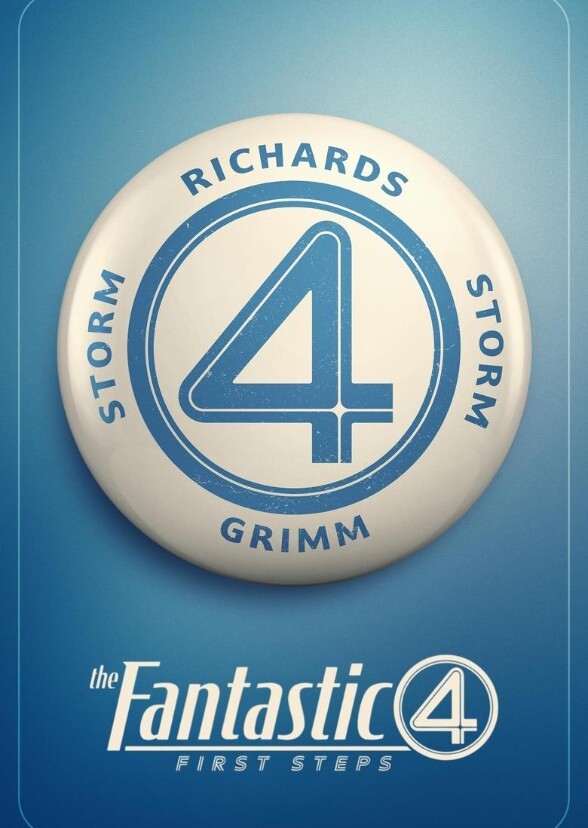
The Fantastic Four: First Steps (released July 25, 2025) reboot‑reintroduces Marvel’s First Family in an alternate, retro‑futuristic Earth‑828 inspired by 1960s aesthetics. Directed by Matt Shakman, the film skips the traditional origin story, presenting Reed Richards and Sue Storm as established heroes already expecting their first child, Franklin. Their team—including Ben Grimm (The Thing) and Johnny Storm (Human Torch)—must suddenly confront the cosmic threat of Galactus and his herald, Silver Surfer (Shalla‑Bal). The story mainly revolves around the family’s struggle to protect Earth by constructing massive teleportation “bridges” that could relocate the entire planet—and ultimately leveraging Franklin’s nascent reality‑warping powers to outwit the world‑devouring deity . Critics have praised the film’s vibrant production design, nostalgic tone, and strong performances—especially by Pedro Pascal (Reed), Vanessa Kirby (Sue), Ebon Moss‑Bachrach (Ben), and Joseph Quinn (Johnny)—but many fault it for its more serious, exposition‑heavy storytelling and minimal character arc development. Reviews note that humor and emotional nuance—hallmarks of previous Fantastic Four adaptations—are largely absent, creating a more somber, streamlined tone. Still, the retro‑futuristic visuals, Michael Giacchino’s score, and a hopeful message about family and unity elevate it as a “promising revitalization” of the franchise, even if it feels tonally uneven at times.



