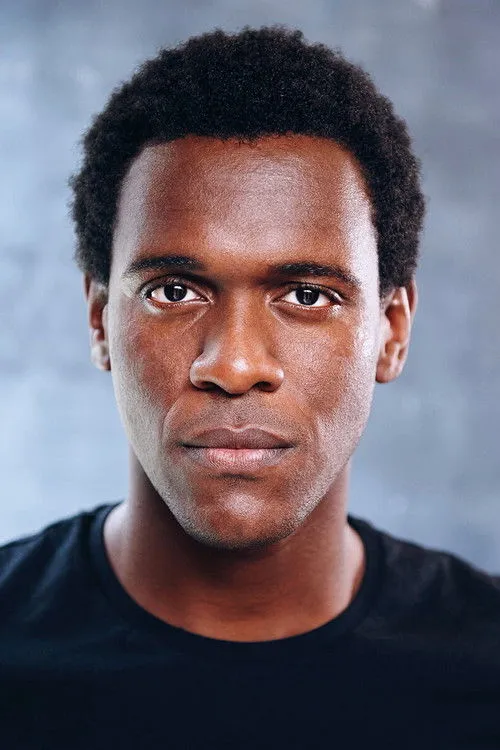
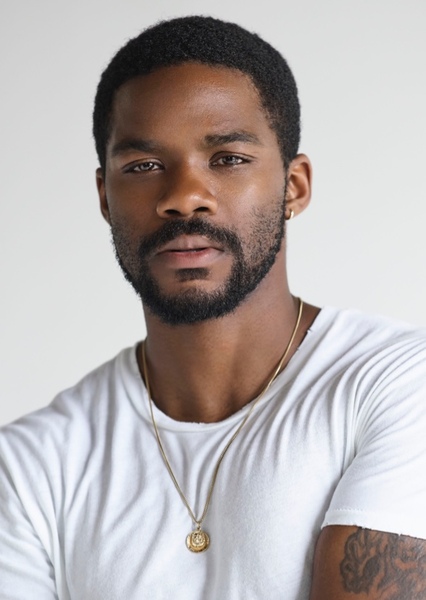
Age: 62
male
Djimon Gaston Hounsou (born April 24, 1964) is a Beninese-American actor and model. He began his career appearing in music videos, made his film debut in Without You I'm Nothing and earned widespread recognition for his role as Cinqué in the Steven Spielberg film Amistad. As an actor, Hounsou has been nominated for two Academy Awards. Hounsou became a naturalized American citizen in 2007. He was reluctant to renounce his Beninese citizenship and therefore opted to become a dual citizen of both Benin and the United States, effectively rendering him a Beninese-American. Djimon Hounsou was born in Cotonou, Benin, in 1964, to lbertine and Pierre Hounsou. He immigrated to Lyon in France at the age of thirteen with his brother, Edmond. In 1987, he became a model and established a career in Paris. He moved to the U.S. in 1990. One year before obtaining his college degree, he dropped out of school. In 1989, he appeared in a music video of Straight Up by Paula Abdul. Hounsou's film debut was in the 1990 Sandra Bernhard film Without You I’m Nothing, and he has had television roles on Beverly Hills, 90210 and ER and a guest starring role on Alias, but received a larger role in the science fiction film Stargate. His first on-screen appearance was in the 1990 Janet Jackson video “Love Will Never Do (Without You).” He also starred in a 2002 Gap commercial directed by Peter Lindbergh, dancing to a rendition of John Lee Hooker's "Boom Boom" by Arrested Development's Baba Oje. He received wide critical acclaim and a Golden Globe Award nomination for his role as Cinqué in the 1997 Steven Spielberg film Amistad. He gained further notice as Juba, in the 2000 film Gladiator. He was nominated for the Academy Award for Best Supporting Actor, for In America, in 2004, becoming the fourth African male to be nominated for an Oscar (along with Basil Rathbone, Cecil Kellaway and Omar Sharif). In 2006, he won the National Board of Review Award for Best Supporting Actor for his performance in Blood Diamond; he received Broadcast Film Critics Association, Screen Actors Guild Award, and Academy Award nominations for this performance. In 2007, Hounsou began dating model/CEO of Baby Phat, Kimora Lee Simmons. In 2008 Hounsou and Simmons visited Hounsou's family and while there, the two participated in a traditional commitment ceremony. On May 30, 2009, Simmons gave birth to their son, Kenzo Lee Hounsou, reportedly named because Kenzo means 3 (Kimora's third child).
Djimon Hounsou

King Bashenga
for King Bashenga in Marvel Studios' Bashenga: The First Black Panther
Suggested by danielrodrigues1
2.5 million years ago, a meteorite made of the alien element vibranium landed in the heart of Africa, greatly affecting the surrounding flora. Centuries later, five tribes colonized the area and went to war over the metal, which they referred to as Isipho. One day, a Wakandan warrior named Bashenga (John Boyega) was guided by a vision of Bast (Doechii) who led him towards a plant that had mutated as a result of the metal's radiation. Upon ingesting the herb, Bashenga discovered he had been imbued with superhuman abilities and used them to unite the tribes as the first King of Wakanda and the first "Black Panther". Four of the tribes pledged their loyalty to Bashenga; but the Jabari Tribe followed by their leader M'Towa (Ernie Huston) refused to pledge to his allegiance, and have settled into the northern mountains to continue adhering to a more traditional and primitive way of life, while the rest of Wakanda continued to develop into a modernized rule. Bashenga's lineage would come to form a sixth tribe named the Panther Tribe, which included a line of his royal descendants that continued to survive into the modern day, thus establishing the peace inside the population of the Kingdom of Wakanda.