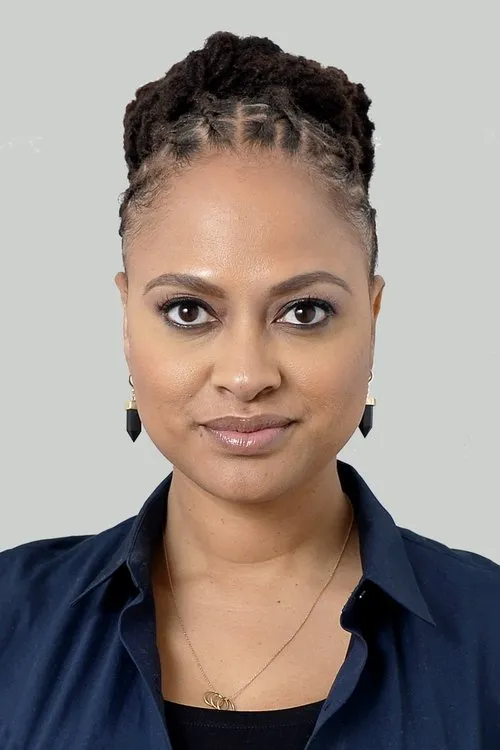
Age: 54
female
Ava Marie DuVernay (/ˌdjuːvərˈneɪ/; born August 24, 1972) is an American filmmaker, screenwriter, and producer. She is a recipient of two Primetime Emmy Awards, two NAACP Image Awards, a BAFTA Film Award, and a BAFTA TV Award, as well as a nominee for an Academy Award and a Golden Globe. In 2011, she founded her independent distribution company ARRAY. After making her directorial debut with I Will Follow (2010), DuVernay won the directing award in the U.S. dramatic competition at the 2012 Sundance Film Festival for her second feature film, Middle of Nowhere, becoming the first black woman to win the award. For her work on Selma (2014), a biopic about Martin Luther King Jr., DuVernay became the first African-American woman to be nominated for a Golden Globe Award for Best Director; the film went on to be nominated for the Academy Award for Best Picture. Her other film credits include the Academy Award-nominated Netflix documentary 13th (2016) and the Disney fantasy film A Wrinkle in Time (2018), the latter making her the first African-American woman to direct a film with a $100 million budget. In 2023, she directed the biographical film Origin based on Isabel Wilkerson's book Caste: The Origins of Our Discontents (2020). DuVernay's television credits include the OWN drama series Queen Sugar (2016) and two Netflix drama limited series: When They See Us (2019), based on the 1989 Central Park jogger case, and Colin in Black & White (2021), based on the teenage years of NFL player Colin Kaepernick. In 2017, DuVernay was included on the annual Time 100 list of the most influential people in the world. In 2020, she was elected to the Academy of Motion Pictures Arts and Sciences board of governors as part of the directors branch. Description above from the Wikipedia article Ava DuVernay, licensed under CC-BY-SA, full list of contributors on Wikipedia.
Ava DuVernay

Director
for Director in MAMA AFRICA: The Miriam Makeba Story
Suggested by kamsismith

Miriam Makeba, born into poverty and oppression, discovers her extraordinary voice at a young age, leading her to a life of singing in local choirs. As apartheid tightens its grip on South Africa, Miriam's music becomes a symbol of hope and resistance, making her an enemy of the state. Forced into exile, she embarks on a global journey, using her music to raise awareness about the injustices back home. Along the way, she encounters luminaries like Harry Belafonte, Nina Simone, and Martin Luther King Jr., forging powerful friendships and alliances in the struggle for civil rights.

