
Age: 42
female
Aubrey Christina Plaza (born June 26, 1984) is an American actress, comedian, and producer. As a teenager, she began acting in local theatre productions and performed improv and sketch comedy at the Upright Citizens Brigade Theatre. After graduating from New York University Tisch School of the Arts, Plaza made her feature film debut in Mystery Team (2009). She gained wide recognition for her role as April Ludgate on the NBC political satire sitcom Parks and Recreation (2009–2015). In film, Plaza had a supporting role in Scott Pilgrim vs. the World (2010) and a leading role in Safety Not Guaranteed (2012). From 2017 to 2019, Plaza portrayed the Shadow King and Lenny Busker in the critically praised FX superhero series Legion and produced and starred in the 2017 black comedy films The Little Hours and Ingrid Goes West. She also starred in the romantic comedy Happiest Season and thriller Black Bear (both 2020) and produced and played the title character in the crime film Emily the Criminal (2022). Plaza received a Primetime Emmy Award nomination and a Golden Globe Award for her role as a strait-laced lawyer in the second season of the HBO anthology series The White Lotus (2022). Time magazine named her one of the 100 most influential people in the world in 2023. In 2024, she starred as Rio Vidal in the Marvel Cinematic Universe miniseries Agatha All Along. Description above from the Wikipedia article Aubrey Plaza, licensed under CC-BY-SA, full list of contributors on Wikipedia.
Aubrey Plaza

Marsha Garces Williams
for Marsha Garces Williams in Make God Laugh (2027)
Suggested by kaueoliveira
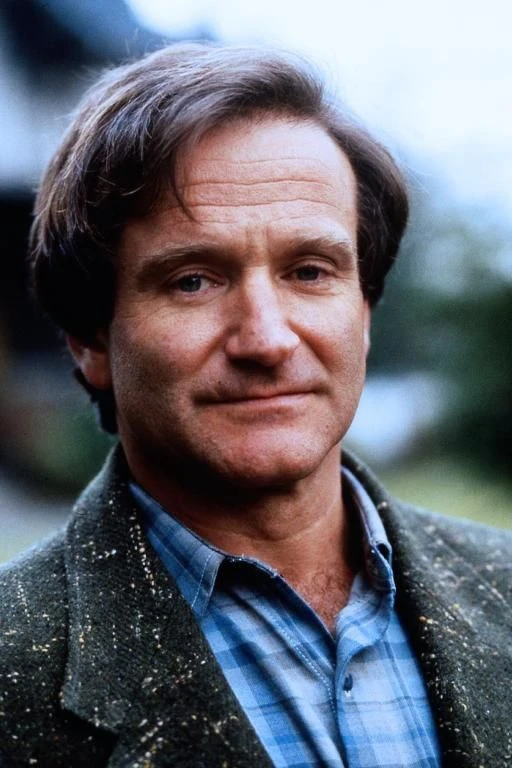
"Make God Laugh" is an unflinching American biographical drama that plunges into the beautiful, frenetic, and ultimately tragic psyche of the fastest mind in comedy. The film rejects a standard chronological birth-to-death structure, instead unfolding across three intersecting timelines: a black-and-white 1978 Los Angeles as a coked-up, scared young comedian meets his idol John Belushi on the night of Belushi’s death; the Technicolor chaos of the 1990s "Mork and Mindy" and "Aladdin" heights, where Robin battles his inner demons while trying to be a present father; and the somber, digitally sharp 2010s, where a quieter, deeply paranoid Robin struggles with a mysterious neurological decay misdiagnosed as Parkinson’s. Will Ferrell delivers a transformative, Oscar-worthy performance, capturing not just the manic, improvisational tornado the public adored, but the profound stillness and bone-deep exhaustion of a man who believed his only value came from making others laugh, terrified of the silence within himself. Jason Reitman directs with a delicate balance of kinetic energy and crushing intimacy, channeling the collaborative tension of "Saturday Night" into the lonely corridors of fame. The film doesn’t shy away from the addiction, the infidelities, or the devastating reality of Lewy body dementia, but it frames them not as tabloid fodder but as the desperate symptoms of a man whose immense, empathetic heart was wired to feel everything too deeply. The title, taken from an old adage about the hubris of making plans, serves as the central theme: the painful divide between the joy Robin Williams projected and the internal narrative of a man who spent his final days in a fog of cognitive decline, believing he had lost the only currency that mattered—his ability to connect. The final act is a tear-streaked tribute to the silence behind the laughter, ending not on his death, but on a flashback to the first time he ever made his stoic father genuinely laugh.

