
Age: 33
male
David Packard Corenswet (/ˈkɔːrənswɛt/CORE-in-SWET; born July 8, 1993) is an American actor. After graduating from Juilliard in 2016, he began guest-starring in television series, including House of Cards in 2018. He played lead roles in the Netflix series The Politician (2019–2020) and Hollywood (2020), both created by Ryan Murphy. In 2022, he starred in the films Look Both Ways and Pearl, as well as the HBO miniseries We Own This City. After supporting roles in the film Twisters and the miniseries Lady in the Lake (both 2024), he rose to prominence with his portrayal of the titular superhero in James Gunn's DC Universe film Superman (2025). Description above from the Wikipedia article David Corenswet, licensed under CC-BY-SA, full list of contributors on Wikipedia.
David Corenswet

Christopher Reeve
for Christopher Reeve in Make God Laugh (2027)
Suggested by kaueoliveira
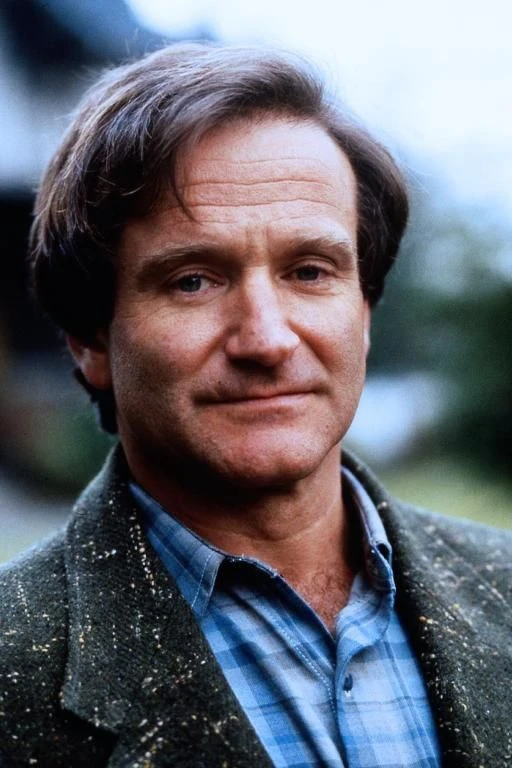
"Make God Laugh" is an unflinching American biographical drama that plunges into the beautiful, frenetic, and ultimately tragic psyche of the fastest mind in comedy. The film rejects a standard chronological birth-to-death structure, instead unfolding across three intersecting timelines: a black-and-white 1978 Los Angeles as a coked-up, scared young comedian meets his idol John Belushi on the night of Belushi’s death; the Technicolor chaos of the 1990s "Mork and Mindy" and "Aladdin" heights, where Robin battles his inner demons while trying to be a present father; and the somber, digitally sharp 2010s, where a quieter, deeply paranoid Robin struggles with a mysterious neurological decay misdiagnosed as Parkinson’s. Will Ferrell delivers a transformative, Oscar-worthy performance, capturing not just the manic, improvisational tornado the public adored, but the profound stillness and bone-deep exhaustion of a man who believed his only value came from making others laugh, terrified of the silence within himself. Jason Reitman directs with a delicate balance of kinetic energy and crushing intimacy, channeling the collaborative tension of "Saturday Night" into the lonely corridors of fame. The film doesn’t shy away from the addiction, the infidelities, or the devastating reality of Lewy body dementia, but it frames them not as tabloid fodder but as the desperate symptoms of a man whose immense, empathetic heart was wired to feel everything too deeply. The title, taken from an old adage about the hubris of making plans, serves as the central theme: the painful divide between the joy Robin Williams projected and the internal narrative of a man who spent his final days in a fog of cognitive decline, believing he had lost the only currency that mattered—his ability to connect. The final act is a tear-streaked tribute to the silence behind the laughter, ending not on his death, but on a flashback to the first time he ever made his stoic father genuinely laugh.

