
Age: 59
female
Madhuri Dixit (born Madhuri Shankar Dixit on May 15, 1967, in Mumbai, India) is a celebrated Indian actress and accomplished Kathak dancer who has appeared in over 70 Hindi films. Throughout the late 1980s and 1990s, she established herself as one of Bollywood's leading actresses, earning widespread acclaim for her talent, beauty, and exceptional dancing skills. Dixit is often cited by the media as one of the best actresses in Bollywood, appearing in numerous commercially successful films and receiving recognition for several of her performances. She has won six Filmfare Awards, including four for Best Actress, one for Best Supporting Actress, and one Special Award. Dixit also holds the record for the highest number of Best Actress nominations at the Filmfare Awards, with 13. In 2008, she was honored with the Padma Shri, India's fourth-highest civilian award, by the Government of India. Known as the "Dhak Dhak Girl" of Bollywood, Madhuri's iconic films include Tezaab (1988), Dil (1990), Beta (1992), Hum Aapke Hain Koun..! (1994), and Devdas (2002). In addition to her illustrious film career, she has served as a judge on popular dance reality shows and actively engages in philanthropic work, including advocacy for children's rights with UNICEF. Madhuri is married to Dr. Shriram Nene, a cardiovascular surgeon, and they have two sons.
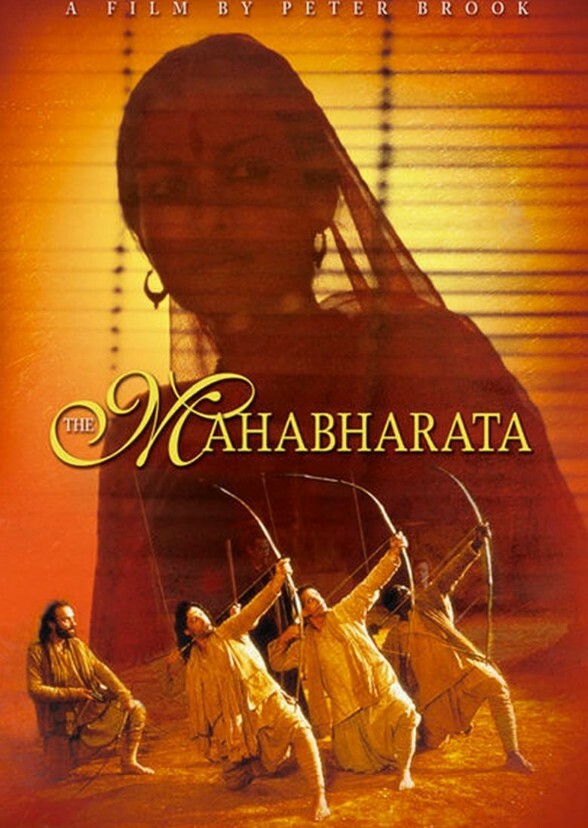
The conflict The story centers on the conflict between the Kauravas, the sons of the blind king Dhritarashtra, and the Pandavas, the sons of the pale king Pandu. The Kauravas were the senior branch of the family, but the eldest Pandava, Yudhishthira, was older than the eldest Kaurava, Duryodhana. Both claimed to be first in line to inherit the throne. The war The conflict culminated in the Kurukshetra War, where the Pandavas were victorious. The war was prompted by a game of dice. The aftermath After the war, the Pandavas ascended to Heaven, but Yudhisthira chose to join his brothers in hell. The death of Krishna marked the end of his dynasty and the beginning of the Kali Yuga, the fourth and final age of humankind. The message The Mahabharata is about the importance of dharma, or sacred duty, and the idea that people fulfill their purpose in life through their actions. It also explores themes of justice, right and wrong actions, and the importance of relationships. The composition The Mahabharata is the longest epic poem ever written, with 100,000 verses. It was composed by Krishna-Dwaipayan Vyasa, who dictated the verses and Ganesha wrote them down. The epic is generally thought to have been composed in the 4th century BCE or earlier.


