
Age: 47
male
Siddharth Suryanarayanan mononymously known as Siddharth, is an Indian film actor, playback singer and screenplay writer. After his business management studies, Siddharth chose to work in film making and worked as an assistant director before making his acting debut in the 2003 Tamil film Boys. In the subsequent years, he has worked in many Telugu, Hindi and Tamil films. In the late 2000s, he established himself as a bankable lead actor in Telugu films and subsequently chose to become more selective with his projects, while also winning acclaim for his work as a carrom player in Striker (2010) and as a blind warrior in the fantasy film Anaganaga O Dheerudu (2011). In 2011, he returned to Tamil films after a sabbatical and produced Balaji Mohan's commercially successful romantic comedy Kadhalil Sodhappuvadhu Yeppadi (2012). The actor then had a prolific year in 2014, winning critical acclaim and box office success for his two ventures; Jigarthanda and Kaaviya Thalaivan. Siddharth married Meghna on 3 November 2003, after the pair had fallen in love growing up in the same neighbourhood in New Delhi. However, by early 2006, the pair were living separately, and subsequently secured a divorce in January 2007. He has been described as one of the few actors in India who is able to achieve pan-Indian appeal.
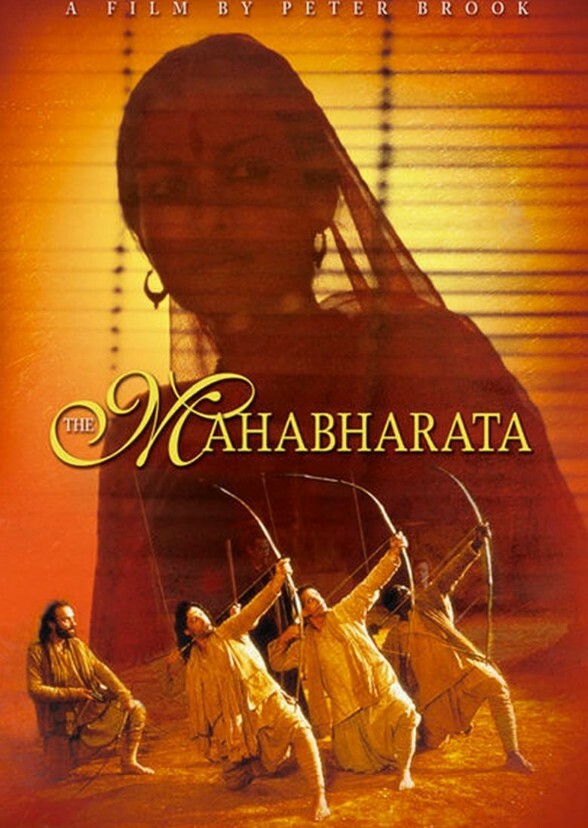
The conflict The story centers on the conflict between the Kauravas, the sons of the blind king Dhritarashtra, and the Pandavas, the sons of the pale king Pandu. The Kauravas were the senior branch of the family, but the eldest Pandava, Yudhishthira, was older than the eldest Kaurava, Duryodhana. Both claimed to be first in line to inherit the throne. The war The conflict culminated in the Kurukshetra War, where the Pandavas were victorious. The war was prompted by a game of dice. The aftermath After the war, the Pandavas ascended to Heaven, but Yudhisthira chose to join his brothers in hell. The death of Krishna marked the end of his dynasty and the beginning of the Kali Yuga, the fourth and final age of humankind. The message The Mahabharata is about the importance of dharma, or sacred duty, and the idea that people fulfill their purpose in life through their actions. It also explores themes of justice, right and wrong actions, and the importance of relationships. The composition The Mahabharata is the longest epic poem ever written, with 100,000 verses. It was composed by Krishna-Dwaipayan Vyasa, who dictated the verses and Ganesha wrote them down. The epic is generally thought to have been composed in the 4th century BCE or earlier.


