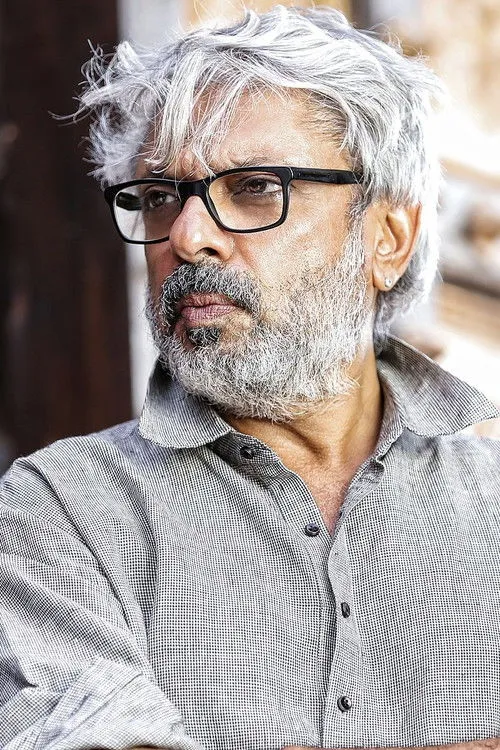
Age: 63
male
Sanjay Leela Bhansali (born February 24, 1963) is an Indian film director, producer, screenwriter, and music director known for his female-led films with a distinctive style of grand cinematic sets and extravagant costumes, incorporation of classical music and inspirations from dramatic epics. One of the most critically acclaimed filmmakers of Hindi cinema, Bhansali is the recipient of several awards, including four National Film Awards and ten Filmfare Awards. In 2015, the Government of India honoured him with the Padma Shri, the fourth highest civilian award. He made his directorial debut with Khamoshi: The Musical (1996) for which he received Filmfare Critics Award for Best Film. He rose to prominence in Indian cinema with commercially successful and widely acclaimed romantic drama Hum Dil De Chuke Sanam (1999), the romantic drama Devdas (2002) —which received nomination for Best Foreign Film at British Academy of Film & Television Awards (BAFTA)— and the drama Black (2005), for all of which he received multiple Best Director Award and Best Film Award along with additional Critics Award for Best Film for the latter at Filmfare Awards, and multiple National Film Awards for the latter two. However, he followed it by directing consecutive commercially flop films Saawariya (2007) and Guzaarish (2010). He is an alumnus of the Film and Television Institute of India. He is the founder of a production house, Bhansali Productions. Bhansali has adopted the middle name "Leela" as a tribute to his mother, Leela Bhansali.
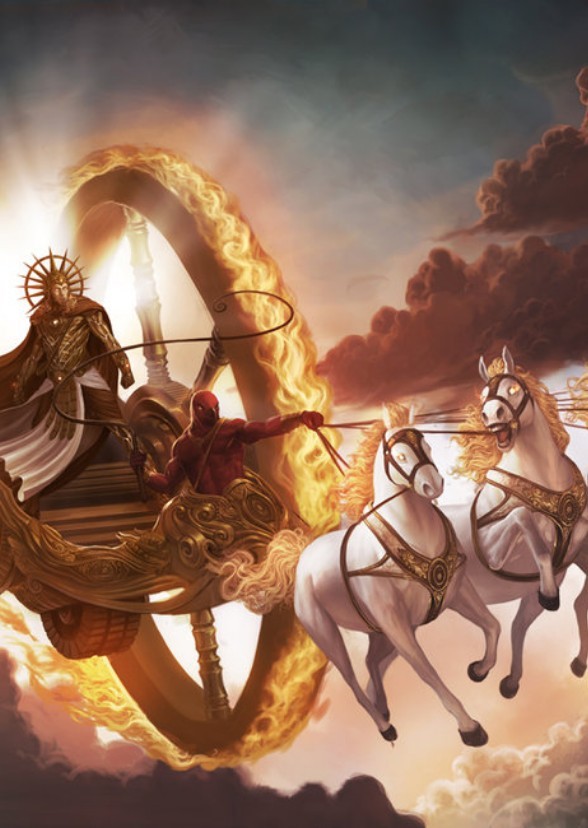
The core story of the work is that of a dynastic struggle for the throne of Hastinapura, the kingdom ruled by the Kuru clan. The two collateral branches of the family that participate in the struggle are the Kaurava and the Pandava. Although the Kaurava is the senior branch of the family, Duryodhana, the eldest Kaurava, is younger than Yudhishthira, the eldest Pandava. Both Duryodhana and Yudhishthira claim to be first in line to inherit the throne. The struggle culminates in the great battle of Kurukshetra, in which the Pandavas are ultimately victorious. The battle produces complex conflicts of kinship and friendship, instances of family loyalty and duty taking precedence over what is right, as well as the converse.


