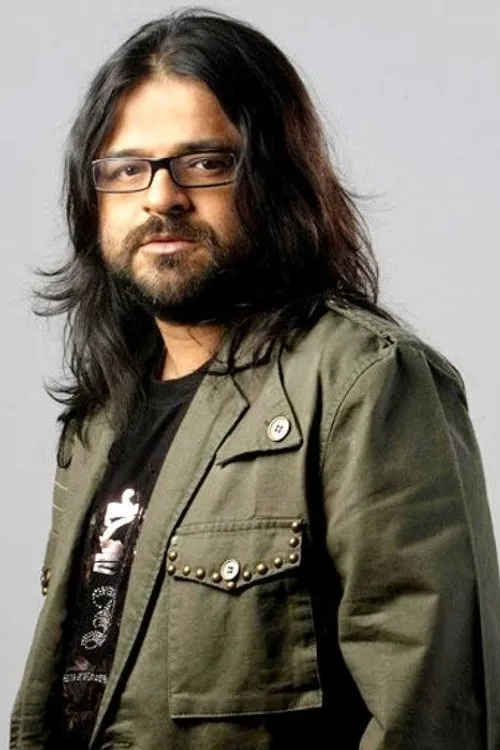
Age: 55
male
Pritam Chakraborty (born 14 June 1971), also popularly known mononymously as Pritam, is a National Award winning Indian composer, instrumentalist, music producer and singer. Graduating from FTII in Sound Engineering, he worked as an ad jingle composer, sound designer & theme music composer for TV Serials, later debuted as a co-composer alongside Jeet Gannguli in the 2001 Hindi film Tere Liye. He debuted as a solo composer with the 2003 film Stumped. However, it was the soundtrack of Dhoom (2004), most notably the title track, which earned him his first big break in the industry and helped him win the Zee Cine Award for Best Track of the Year & vast acknowledgements. In a career spanning over two decades, he has composed music for more than 125 Bollywood films and has been the recipient of numerous awards, including one National Film Award in 70th National Film Awards in 2022, six Filmfare Awards for Best Music Director, three Filmfare Awards for Best Background Music, five IIFA Award for Best Music Director and four Mirchi Music Award for Album of The Year and many more. While he initially worked only on soundtracks and had multiple early collaborations with Vishesh Films and Yash Raj Films, the romantic drama Barfi! with Anurag Basu marked his first venture as a background score composer, and he later diversified his repertoire through collaborations with Dharma Productions , T-Series (company) and Nadiadwala Grandson Entertainment. Pritam founded JAM8 in 2016, which also works as Music Director in various Bollywood films with its in-house composers.
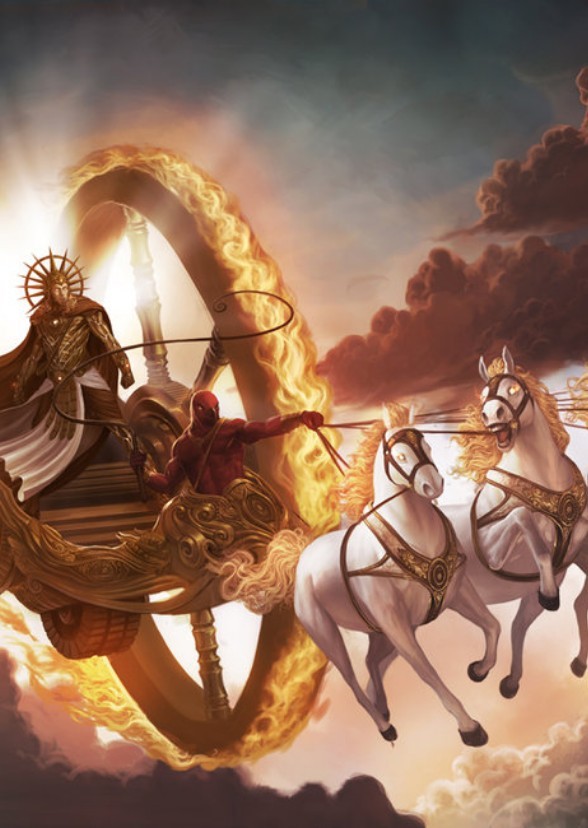
The core story of the work is that of a dynastic struggle for the throne of Hastinapura, the kingdom ruled by the Kuru clan. The two collateral branches of the family that participate in the struggle are the Kaurava and the Pandava. Although the Kaurava is the senior branch of the family, Duryodhana, the eldest Kaurava, is younger than Yudhishthira, the eldest Pandava. Both Duryodhana and Yudhishthira claim to be first in line to inherit the throne. The struggle culminates in the great battle of Kurukshetra, in which the Pandavas are ultimately victorious. The battle produces complex conflicts of kinship and friendship, instances of family loyalty and duty taking precedence over what is right, as well as the converse.


