Died at 123
male
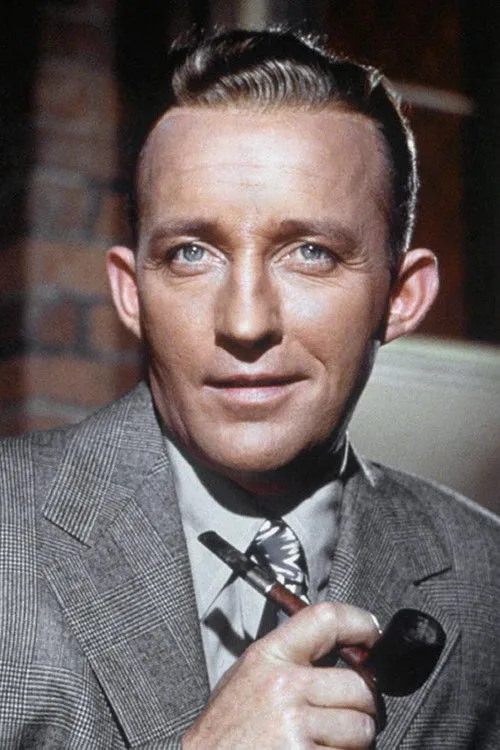
Harry Lillis "Bing" Crosby Jr. (May 3, 1903 – October 14, 1977) was an American singer, comedian and actor. The first multimedia star, Crosby was a leader in record sales, radio ratings, and motion picture grosses from 1931 to 1954. His early career coincided with recording innovations that allowed him to develop an intimate singing style that influenced many male singers who followed him, including Perry Como, Frank Sinatra, Dick Haymes, and Dean Martin. Yank magazine said that he was "the person who had done the most for the morale of overseas servicemen" during World War II. In 1948, American polls declared him the "most admired man alive", ahead of Jackie Robinson and Pope Pius XII. Also in 1948, Music Digest estimated that his recordings filled more than half of the 80,000 weekly hours allocated to recorded radio music. Crosby won an Oscar for Best Actor for his role as Father Chuck O'Malley in the 1944 motion picture Going My Way and was nominated for his reprise of the role in The Bells of St. Mary's opposite Ingrid Bergman the next year, becoming the first of six actors to be nominated twice for playing the same character. In 1963, Crosby received the first Grammy Global Achievement Award. He is one of 33 people to have three stars on the Hollywood Walk of Fame, in the categories of motion pictures, radio, and audio recording. He was also known for his collaborations with longtime friend Bob Hope, starring in the Road to... films from 1940 to 1962. Crosby influenced the development of the postwar recording industry. After seeing a demonstration of a German broadcast quality reel-to-reel tape recorder brought to America by John T. Mullin, he invested $50,000 in a California electronics company called Ampex to build copies. He then convinced ABC to allow him to tape his shows. He became the first performer to pre-record his radio shows and master his commercial recordings onto magnetic tape. Through the medium of recording, he constructed his radio programs with the same directorial tools and craftsmanship (editing, retaking, rehearsal, time shifting) used in motion picture production, a practice that became an industry standard. In addition to his work with early audio tape recording, he helped to finance the development of videotape, bought television stations, bred racehorses, and co-owned the Pittsburgh Pirates baseball team.
Bing Crosby

Ichabod Crane
for Ichabod Crane in Looney Tunes: Back in Action... with Animaniacs! (2024 film)
Suggested by user_358433

Fed up with playing second fiddle to Bugs Bunny, Daffy Duck demands his own movie from "CEO of Warner Bros. Studios", Nora Rita Norita, Plucky Duck joins in along-side with Daffy since he felt what Daffy felt, but now they're promptly fired by the "Vice-President of Comedy", Kate Houghton. Security guard and aspiring stuntman, D.J. Drake is asked to escort Daffy and Plucky off the studio lot, but the ensuing chase leads to the Batmobile crashing into the studio water tower, which set the Warner Siblings on the loose to run amok in the studio, causing D.J. to also get fired in the process. D.J. returns home with Daffy and Plucky hitching a ride, where he receives a message from his father, action film star, Damian Drake, who is actually a secret agent. Damian instructs his son to travel to Las Vegas, find his associate, Dusty Tails, and find a mystical diamond called the "blue monkey" diamond, before he is shortly thereafter captured by the ACME Corporation, which is revenge of "former-CEO of Warner Bros. Studios" Mr. Plotz. D.J. and Daffy head for Las Vegas. Meanwhile, Bugs' routines collapsing without Daffy, and Tiny Toons' routine collapse without Plucky, so Kate Houghton have to find and rehire Daffy and Plucky or face herself terminated. The Warners inform Kate of the situation, so they head to D.J.'s home where they find Damian's spy car, and use it pursue D.J. and Daffy.


