
Age: 36
male
Aaron Perry Taylor-Johnson (né Johnson; born 13 June 1990) is a British actor. His accolades include a Golden Globe Award, in addition to nominations for two British Academy Film Awards and a British Independent Film Award. As a child actor, Taylor-Johnson performed in films including Shanghai Knights (2003), The Illusionist (2006), and Angus, Thongs and Perfect Snogging (2008). He had his breakthrough performance as John Lennon in the biopic Nowhere Boy (2009), directed by Sam Taylor-Wood, whom he married in 2012, adding her surname. He gained recognition for his portrayal of the title character in Kick-Ass (2010) and its sequel, Kick-Ass 2 (2013), as well as for performances in the crime thriller Savages (2012), the period drama Anna Karenina (2012), and the monster film Godzilla (2014). Taylor-Johnson next portrayed the Marvel Cinematic Universe character Pietro Maximoff in Avengers: Age of Ultron (2015). For playing a psychopathic drifter in the thriller film Nocturnal Animals (2016), he won the Golden Globe Award for Best Supporting Actor. He has since appeared in the action films Tenet (2020), Bullet Train (2022) and The Fall Guy (2024), as well as starring roles in the horror films Nosferatu (2024) and 28 Years Later (2025). Description above from the Wikipedia article Aaron Taylor-Johnson, licensed under CC-BY-SA, full list of contributors on Wikipedia.
Aaron Taylor-Johnson
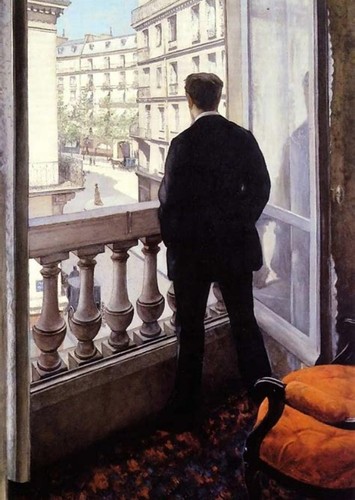
René Caillebotte
for René Caillebotte in Lives of Artists: Impressionism
Suggested by shadowthorne3
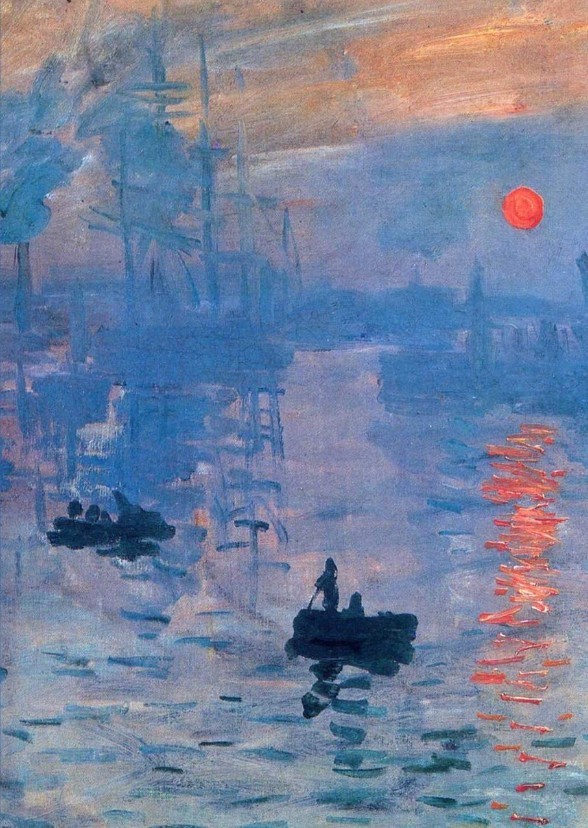
Impressionism is a 19th-century art movement characterized by relatively small, thin, yet visible brush strokes, open composition, emphasis on accurate depiction of light in its changing qualities (often accentuating the effects of the passage of time), ordinary subject matter, inclusion of movement as a crucial element of human perception and experience, and unusual visual angles. Impressionism originated with a group of Paris-based artists whose independent exhibitions brought them to prominence during the 1870s and 1880s. The Impressionists faced harsh opposition from the conventional art community in France. The name of the style derives from the title of a Claude Monet work, Impression, soleil levant (Impression, Sunrise), which provoked the critic Louis Leroy to coin the term in a satirical review published in the Parisian newspaper Le Charivari. The development of Impressionism in the visual arts was soon followed by analogous styles in other media that became known as impressionist music and impressionist literature.

