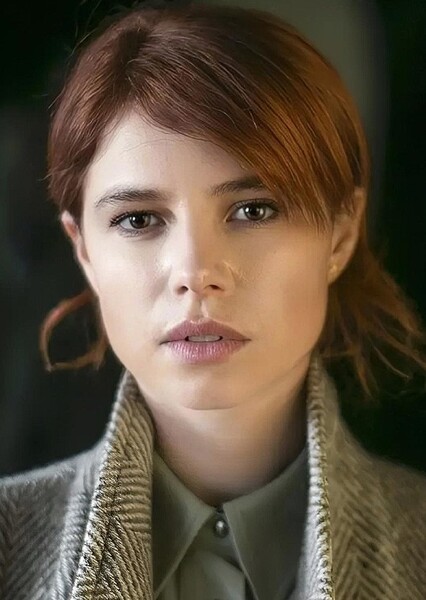
Age: 36
female
Jessie Buckley (born 28 December 1989) is an Irish actress and singer. Her accolades include Best Actress at the Oscar Academy Awards 2026 (becoming the first Irish woman to win it), a British Academy Film Award, an Actor Award, a Golden Globe Award, and a Scottish BAFTA, in addition to nominations for two Academy Awards. Buckley began her career in 2008 as a contestant on the BBC talent show I'd Do Anything, in which she came second. A RADA graduate, her early onscreen appearances were in BBC television series such as War & Peace (2016) and Taboo (2017). Buckley made her film debut with the lead role in Beast (2017), followed by her breakout role as an aspiring country music singer in the musical film Wild Rose (2018); the latter earned her a nomination for the BAFTA Award for Best Actress in a Leading Role. Buckley's career progressed with starring roles in films such as I'm Thinking of Ending Things (2020), Men (2022), Women Talking (2022) and Wicked Little Letters (2023). For her performance as a troubled mother in the psychological drama The Lost Daughter (2021), she received nominations for the BAFTA Award for Best Actress in a Supporting Role and the Academy Award for Best Supporting Actress. She gained further recognition for her portrayal of Agnes Shakespeare in the period drama Hamnet (2025), receiving a Golden Globe, a BAFTA Award, an Actor Award and an Academy Award for Best Actress. On television, Buckley has starred in the HBO miniseries Chernobyl (2019) and season four of Fargo (2020). On stage, Buckley's portrayal of Sally Bowles in a 2021 West End theatre revival of Cabaret won her the Laurence Olivier Award for Best Actress in a Musical. In 2022, she released the collaborative album For All Our Days That Tear the Heart with Bernard Butler, which was shortlisted for the 2022 Mercury Prize. Description above from the Wikipedia article Jessie Buckley, licensed under CC-BY-SA, full list of contributors on Wikipedia.
Jessie Buckley
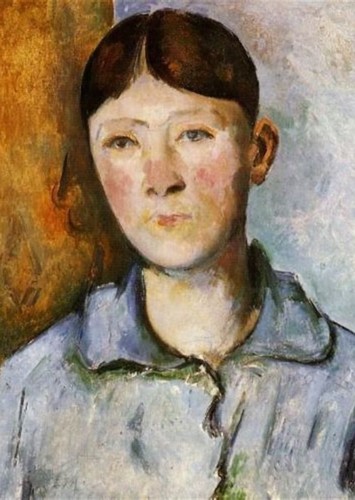
Marie-Hortense Fiquet
for Marie-Hortense Fiquet in Lives of Artists: Impressionism
Suggested by shadowthorne3
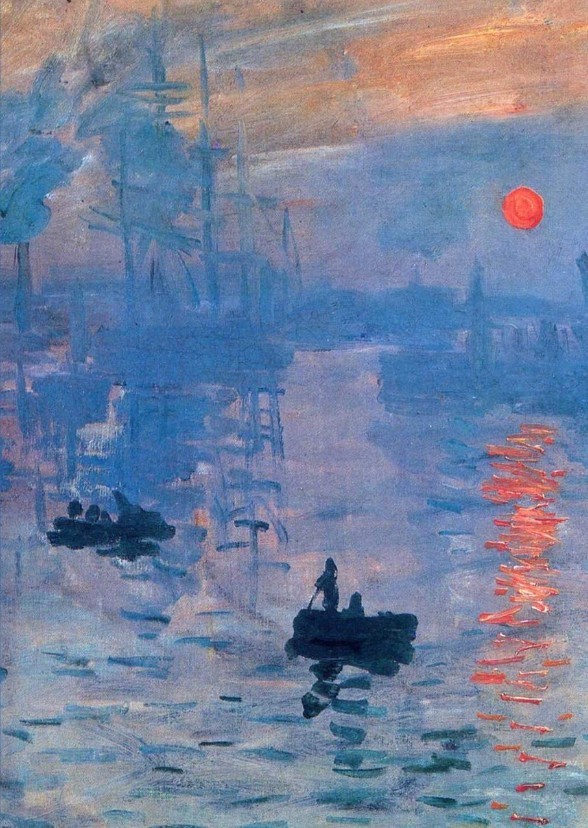
Impressionism is a 19th-century art movement characterized by relatively small, thin, yet visible brush strokes, open composition, emphasis on accurate depiction of light in its changing qualities (often accentuating the effects of the passage of time), ordinary subject matter, inclusion of movement as a crucial element of human perception and experience, and unusual visual angles. Impressionism originated with a group of Paris-based artists whose independent exhibitions brought them to prominence during the 1870s and 1880s. The Impressionists faced harsh opposition from the conventional art community in France. The name of the style derives from the title of a Claude Monet work, Impression, soleil levant (Impression, Sunrise), which provoked the critic Louis Leroy to coin the term in a satirical review published in the Parisian newspaper Le Charivari. The development of Impressionism in the visual arts was soon followed by analogous styles in other media that became known as impressionist music and impressionist literature.

