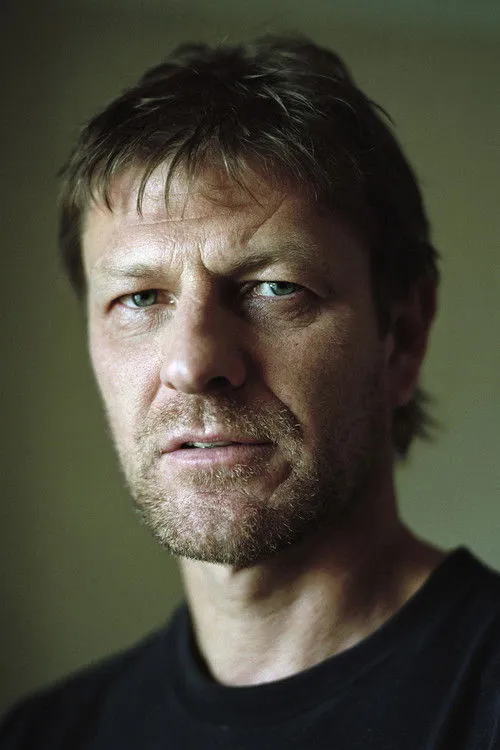
Age: 67
male
Shaun Mark Bean (born 17 April 1959) is an English actor. After graduating from the Royal Academy of Dramatic Art, Bean made his professional debut in a theatre production of Romeo and Juliet in 1983. Retaining his Yorkshire accent, he first found mainstream success for his portrayal of Richard Sharpe in the ITV series Sharpe, which originally ran from 1993 to 1997. Bean's film roles include Patriot Games (1992), GoldenEye (1995), Ronin (1998), Don't Say a Word (2001), The Lord of the Rings trilogy (2001–2003), Equilibrium (2002), National Treasure (2004), Troy (2004), Flightplan (2005), North Country (2005), The Island (2005), Silent Hill (2006), Percy Jackson & the Olympians: The Lightning Thief (2010), Black Death (2010), Jupiter Ascending (2015), and The Martian (2015). His television roles include the BBC anthology series Accused, Broken, Game of Thrones, and the ITV historical drama series Henry VIII and Legends. As a voice actor, Bean has been featured in the video games The Elder Scrolls IV: Oblivion, Sid Meier's Civilization VI, and the feature films Wolfwalkers and Mummies among others. Bean has also been the main voice over for O2 and their adverts for over 20 years having originally taken the job in 2002. In 2022, Bean won the British Academy Television Award as Leading Actor in Time, a BBC One drama.
Sean Bean
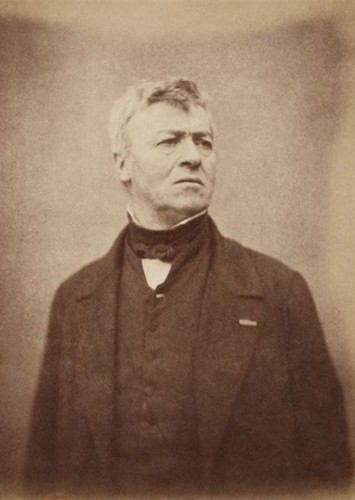
Jean-Baptiste-Camille Corot
for Jean-Baptiste-Camille Corot in Lives of Artists: Impressionism
Suggested by shadowthorne3
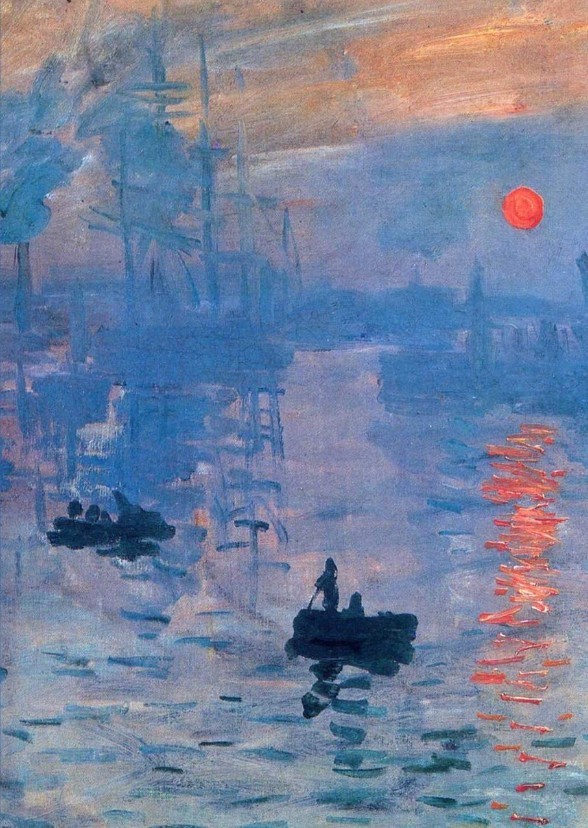
Impressionism is a 19th-century art movement characterized by relatively small, thin, yet visible brush strokes, open composition, emphasis on accurate depiction of light in its changing qualities (often accentuating the effects of the passage of time), ordinary subject matter, inclusion of movement as a crucial element of human perception and experience, and unusual visual angles. Impressionism originated with a group of Paris-based artists whose independent exhibitions brought them to prominence during the 1870s and 1880s. The Impressionists faced harsh opposition from the conventional art community in France. The name of the style derives from the title of a Claude Monet work, Impression, soleil levant (Impression, Sunrise), which provoked the critic Louis Leroy to coin the term in a satirical review published in the Parisian newspaper Le Charivari. The development of Impressionism in the visual arts was soon followed by analogous styles in other media that became known as impressionist music and impressionist literature.

