
Age: 51
male
José Pedro Balmaceda Pascal (Spanish: [xoˈseˈpeðɾo βalmaˈseða pasˈkal]; born April 2, 1975) is a Chilean and American actor. After nearly two decades of taking small roles on stage and television, Pascal had his breakout role as Oberyn Martell in the fourth season of the HBO fantasy series Game of Thrones (2014). He gained further prominence with his portrayal of Javier Peña in the Netflix crime series Narcos (2015–2017). He went on to appear in the films The Great Wall(2016), Kingsman: The Golden Circle (2017), The Equalizer 2 (2018), and Triple Frontier (2019). Pascal's leading roles as Din Djarin in the Disney+ science fiction series The Mandalorian (2019–2023) and Joel Miller in the HBO post-apocalyptic drama series The Last of Us (2023–present) propelled him to international stardom, earning him a reputation for portraying adoptive father figures. For the latter role, he received numerous accolades, including a Screen Actors Guild Award and nominations for a Golden Globe Award and Primetime Emmy Award. He also portrayed parental characters in We Can Be Heroes (2020), Strange Way of Life (2023), and The Wild Robot (2024). Pascal has also starred in the big-budget films Wonder Woman 1984 (2020) and Gladiator II (2024). He plays Reed Richards / Mister Fantastic in the Marvel Cinematic Universe, beginning with The Fantastic Four: First Steps (2025). Active in theatre since 1999, he made his Broadway debut as Edmund in a 2019 adaptation of King Lear. In 2023, Time Magazine named him one of the 100 most influential people in the world. Description above from the Wikipedia article Pedro Pascal, licensed under CC-BY-SA, full list of contributors on Wikipedia.
Pedro Pascal
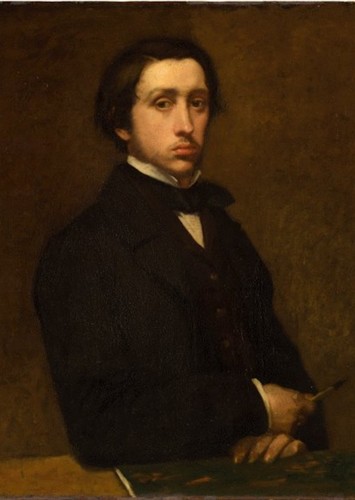
Edgar Degas
for Edgar Degas in Lives of Artists: Impressionism
Suggested by kaddiemeefe
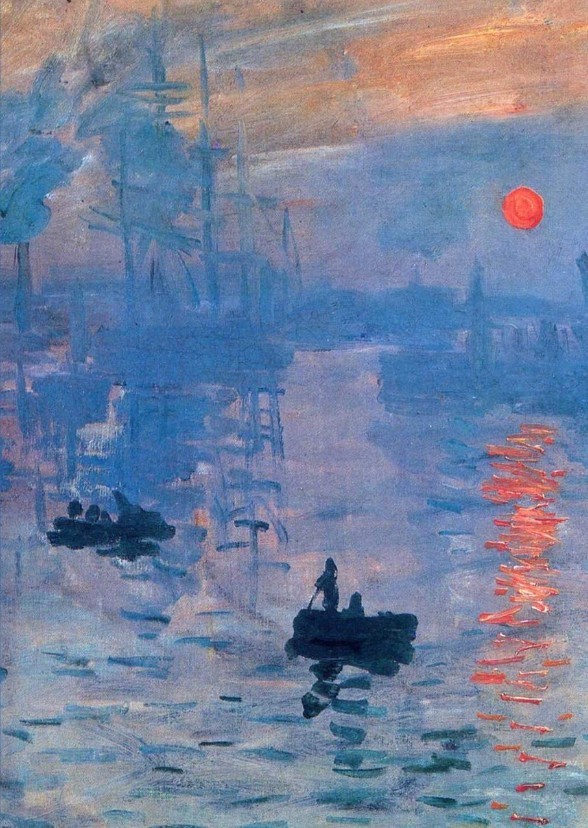
Impressionism is a 19th-century art movement characterized by relatively small, thin, yet visible brush strokes, open composition, emphasis on accurate depiction of light in its changing qualities (often accentuating the effects of the passage of time), ordinary subject matter, inclusion of movement as a crucial element of human perception and experience, and unusual visual angles. Impressionism originated with a group of Paris-based artists whose independent exhibitions brought them to prominence during the 1870s and 1880s. The Impressionists faced harsh opposition from the conventional art community in France. The name of the style derives from the title of a Claude Monet work, Impression, soleil levant (Impression, Sunrise), which provoked the critic Louis Leroy to coin the term in a satirical review published in the Parisian newspaper Le Charivari. The development of Impressionism in the visual arts was soon followed by analogous styles in other media that became known as impressionist music and impressionist literature.


