
Age: 68
male
Steven Vincent Buscemi (born December 13, 1957) is an American actor. His early credits consist of significant roles in independent film productions such as Parting Glances (1986), Mystery Train (1989), In the Soup (1992), and his breakout role as Mr. Pink in Quentin Tarantino's Reservoir Dogs (1992). Buscemi has appeared in both independent and mainstream films, including Living in Oblivion (1995), Desperado (1995), Con Air (1997), Armageddon (1998), Ghost World (2001), Big Fish (2003), and The Death of Stalin (2017). Buscemi has often collaborated with the Coen brothers, appearing in Miller's Crossing (1990), Fargo (1996), and The Big Lebowski (1998). He also appeared in supporting or cameo roles in many films with Adam Sandler, including Airheads (1994), Billy Madison (1995), The Wedding Singer (1998), Mr. Deeds (2002), and Hubie Halloween (2020). He provided voice acting roles in the animated films Monsters, Inc. (2001), The Boss Baby (2017), and Transformers One (2024). Buscemi also directed the films Trees Lounge (1996), Animal Factory (2000), and Interview (2007). Buscemi has also had an extensive career in television, notably starring in the lead role of Enoch "Nucky" Thompson in the HBO series Boardwalk Empire (2010–2014). His performance earned him two Screen Actors Guild Awards, a Golden Globe and two nominations for a Primetime Emmy Award. His other television roles include Lonesome Dove (1989), The Sopranos (2004, 2006), 30 Rock (2007–2013), Horace and Pete (2016), and Miracle Workers (2019–2023).
Steve Buscemi
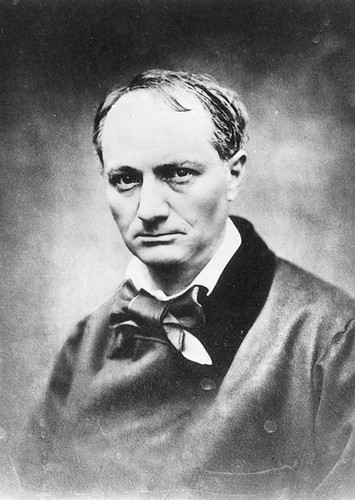
Charles Baudelaire
for Charles Baudelaire in Lives of Artists: Impressionism
Suggested by shadowthorne3
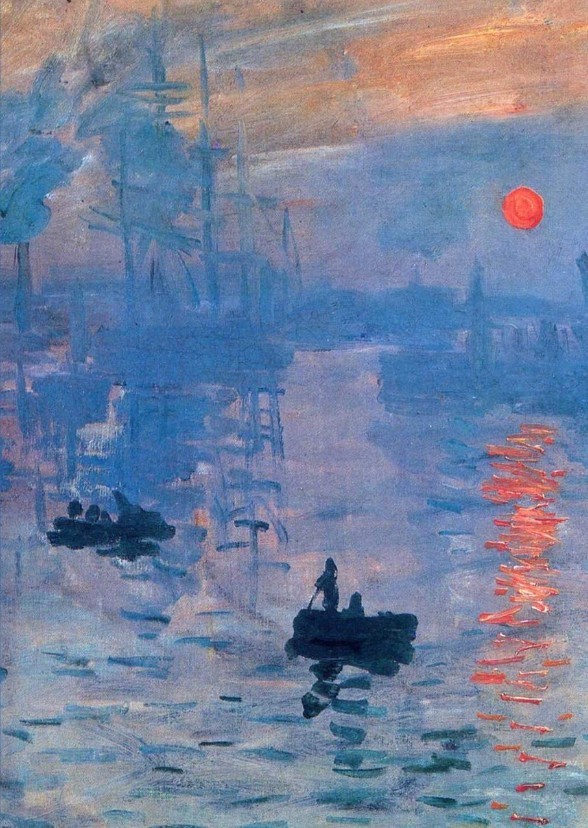
Impressionism is a 19th-century art movement characterized by relatively small, thin, yet visible brush strokes, open composition, emphasis on accurate depiction of light in its changing qualities (often accentuating the effects of the passage of time), ordinary subject matter, inclusion of movement as a crucial element of human perception and experience, and unusual visual angles. Impressionism originated with a group of Paris-based artists whose independent exhibitions brought them to prominence during the 1870s and 1880s. The Impressionists faced harsh opposition from the conventional art community in France. The name of the style derives from the title of a Claude Monet work, Impression, soleil levant (Impression, Sunrise), which provoked the critic Louis Leroy to coin the term in a satirical review published in the Parisian newspaper Le Charivari. The development of Impressionism in the visual arts was soon followed by analogous styles in other media that became known as impressionist music and impressionist literature.

