Died at 91
male
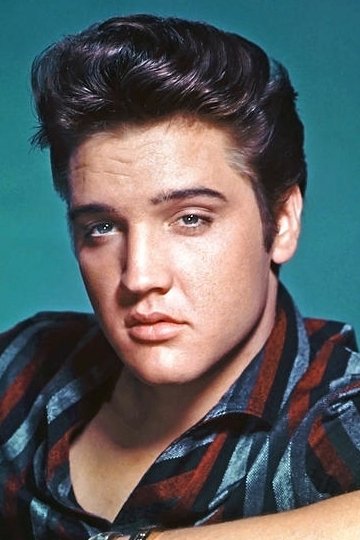
Elvis Aaron Presley (January 8, 1935 – August 16, 1977), or simply Elvis, was an American businessman, entrepreneur, singer and actor. Dubbed the "King of Rock and Roll", he is regarded as one of the most significant cultural figures of the 20th century. His energized interpretations of songs and sexually provocative performance style, combined with a singularly potent mix of influences across color lines during a transformative era in race relations, led him to both great success and initial controversy. Presley was born in Tupelo, Mississippi, and relocated to Memphis, Tennessee, with his family when he was 13 years old. His music career began there in 1954, recording at Sun Records with producer Sam Phillips, who wanted to bring the sound of European-American music to a wider audience. Presley, on rhythm acoustic guitar, and accompanied by lead guitarist Scotty Moore and bassist Bill Black, was a pioneer of rockabilly, an uptempo, backbeat-driven fusion of country music and rhythm and blues. In 1955, drummer D. J. Fontana joined to complete the lineup of Presley's classic quartet and RCA Victor acquired his contract in a deal arranged by Colonel Tom Parker, who would manage him for more than two decades. Presley's first RCA Victor single, "Heartbreak Hotel", was released in January 1956 and became a number-one hit in the United States. Within a year, RCA would sell ten million Presley singles. With a series of successful network television appearances and chart-topping records, Presley became the leading figure of the newly popular sound of rock and roll, though his performative style and promotion of the then-marginalized sound led to him being widely considered a threat to the moral well-being of the European-American youth. In November 1956, Presley made his film debut in Love Me Tender. Drafted into military service in 1958, Presley relaunched his recording career two years later with some of his most commercially successful work. He held few concerts, however, and guided by Parker, proceeded to devote much of the 1960s to making Hollywood films and soundtrack albums, most of them critically derided. Some of his most famous films included Jailhouse Rock (1957), Blue Hawaii (1961), and Viva Las Vegas (1964). In 1968, following a seven-year break from live performances, he returned to the stage in the acclaimed television comeback special Elvis, which led to an extended Las Vegas concert residency and a string of highly profitable tours. In 1973, Presley gave the first concert by a solo artist to be broadcast around the world, Aloha from Hawaii. Years of prescription drug abuse and unhealthy eating habits severely compromised his health, and he died suddenly in 1977 at his Graceland estate at the age of 42.
Elvis Presley

Orin
for Orin in Little Shop of Horrors: Broadway Musical (1966)
Suggested by user_380672

The Broadway musical "Little Shop of Horrors" was originally staged in 1982, but imagining a version set in 1966 brings some unique possibilities. In this alternate scenario, the story would remain focused on the quirky characters of Seymour, Audrey, and the mysterious, carnivorous plant, Audrey II. However, the musical's aesthetic, costumes, and set design would reflect the mid-1960s era, with vibrant mod fashion, psychedelic colours, and a soundtrack perhaps influenced more directly by the pop and Motown sounds of the time. The show's themes of ambition, romance, and dark comedy would still resonate, but the cultural backdrop of 1966—marked by social change, optimism, and a touch of counterculture—might amplify the sense of rebellion and satire within the narrative. Audrey II's rise could parallel contemporary anxieties about rapid technological and societal advancements. Ultimately, "Little Shop of Horrors" (1966) would blend the original's charm with a fresh, swinging sixties flair, offering audiences a nostalgic yet twisted take on the classic tale.

