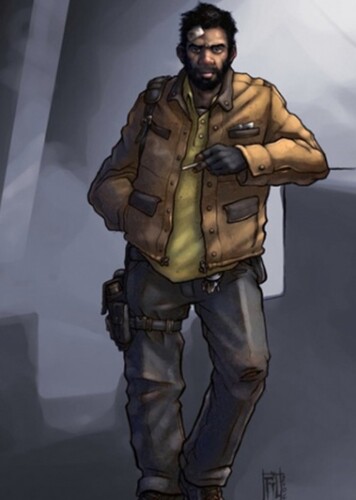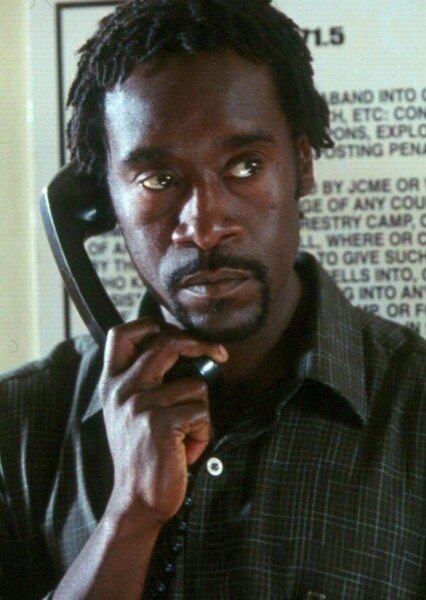
Age: 61
male
Donald Frank Cheadle Jr. (born November 29, 1964) is an American actor. Known for his roles in film and television, he has received multiple accolades, including two Golden Globe Awards, two Grammy Awards, and a Tony Award, as well as nominations for an Academy Award, two BAFTA Awards, and 11 Primetime Emmy Awards. He is among a few actors who have received nominations for the EGOT. Cheadle's career started with supporting roles in Hamburger Hill (1987), Colors (1988), Devil in a Blue Dress (1995), Rosewood (1997), Boogie Nights (1997), and Bulworth (1998). He collaborated with director Steven Soderberghacting in Out of Sight (1998), Traffic (2000), The Ocean's Trilogy (2001–2007), and No Sudden Move (2021). Cheadle was nominated for an Academy Award for Best Actor for portraying Paul Rusesabagina in the historical drama film Hotel Rwanda (2004). He was the co-producer of Crash, which won the Academy Award for Best Picture in 2005. Cheadle joined the Marvel Cinematic Universe portraying James "Rhodey" Rhodes / War Machine, beginning with Iron Man 2 (2010). On television, Cheadle earned nominations for the Primetime Emmy Award for Outstanding Lead Actor in a Comedy Series for his roles as Marty Kaan in House of Lies (2012–2016) and Maurice Monroe in Black Monday (2019–2021). He was further Emmy-nominated for The Rat Pack (1998), A Lesson Before Dying (1999), Things Behind the Sun (2001), ER (2002), and The Falcon and the Winter Soldier (2021). In 2016, he received his first Grammy Award, winning Best Compilation Soundtrack for Visual Media for Miles Ahead's soundtrack. In 2022, he received a second Grammy for Best Spoken Word Album for his narration of the audiobook Carry On: Reflections for a New Generation from John Lewis; he also received a Tony Award for Best Musical as a producer for the musical A Strange Loop.
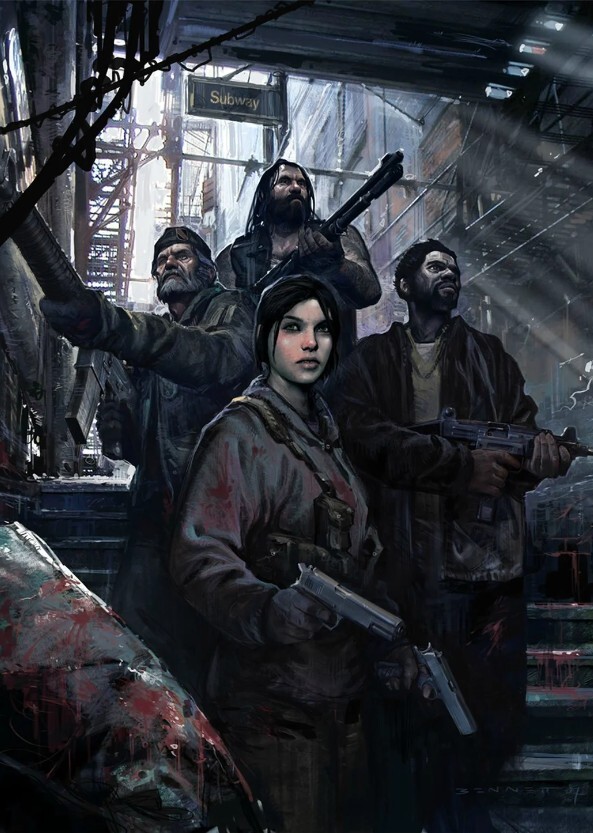
A virulent pathogen tears through major cities in a matter of weeks, collapsing infrastructure faster than governments can respond. The infected do not simply decay — they mutate under neurological overload, driven by hyper-aggression and distorted sensory processing. Streets empty. Power grids fail. Emergency broadcasts loop into silence. What remains is a fractured landscape of quarantined zones, mass graves, and abandoned highways where survival hinges on movement, trust, and timing. A small group of strangers attempts to cross this dead corridor toward a rumoured evacuation point as military containment measures escalate in the background. The infected are not uniform; some exhibit extreme physiological adaptations — explosive bile dispersal, predatory ambush behaviour, brute-force trauma resistance — forcing constant tactical adaptation. Supplies are scarce, ammunition scarcer. Every safe room is temporary. The true threat isn’t just the horde outside, but the mounting psychological strain within: exhaustion, paranoia, and the slow erosion of hope in a world where rescue may already be a myth.