
Age: 72
female
Dame Elizabeth Jane Campion DNZM (born 30 April 1954) is a New Zealand filmmaker. Best known for her feature films with themes of rebellion and often featuring women in leading roles who are outsiders in society, Campion is regarded as one of the prominent female filmmakers in women's cinema. Campion made her film debut in Sweetie (1989) and continues to direct feminist films, including An Angel at My Table (1990), The Portrait of a Lady (1996), Holy Smoke! (1998), and Bright Star (2009). She is best known for writing and directing the critically acclaimed films The Piano (1993) and The Power of the Dog (2021), for which she has received two Academy Awards altogether. She also co-created the television series Top of the Lake (2013) and received numerous Primetime Emmy Award nominations. Her accolades include two Academy Awards, two BAFTA Awards, two Golden Globe Awards, two Palme d'Or (both feature and short), a Silver Lion award, a Directors Guild of America Award, and nominations for three Primetime Emmy Awards. Campion was appointed a Dame Companion of the New Zealand Order of Merit (DNZM) in the 2016 New Year Honours, for services to film. Description above from the Wikipedia article Jane Campion, licensed under CC-BY-SA, full list of contributors on Wikipedia.
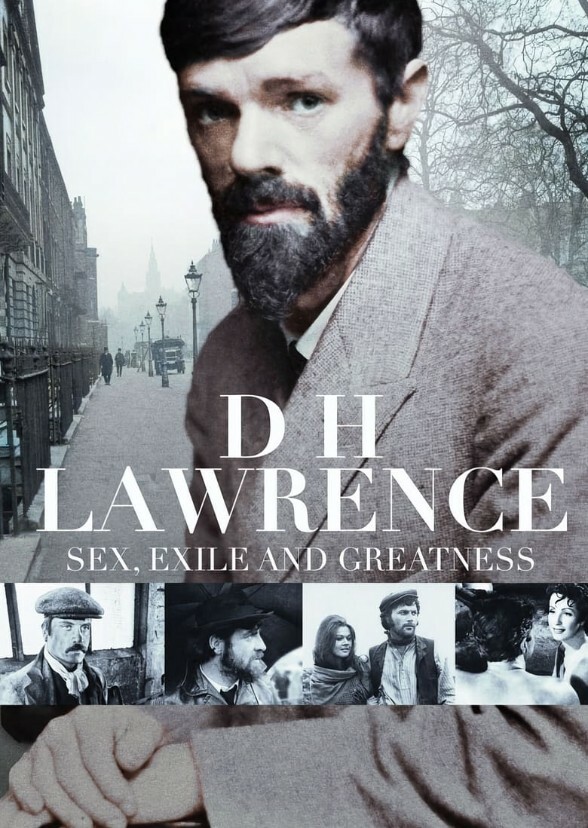
Lawrence: Flames of Desire follows the extraordinary life of David Herbert Lawrence, from his early struggles in an impoverished mining town in England to becoming a literary giant whose works would ignite fierce debates on sex, morality, and social norms. Each episode delves into the core moments that shaped Lawrence as a man and writer- his deep connection with his overbearing mother, his scandalous love affair and marriage with Frieda Weekley, and his ceaseless fight against the censorship that nearly destroyed his career. The miniseries highlights the dramatic backdrops of Edwardian and post-WWI Europe, from the romantic Italian countryside to the wilds of New Mexico, where Lawrence sought refuge from the oppressive forces of British society. Characters such as literary contemporaries Aldous Huxley and E.M. Forster add richness to the narrative, showcasing the intellectual circles in which he moved, while his fierce battles over Lady Chatterley's Lover take center stage as the pinnacle of his struggle against convention. With themes of personal liberty, sexual awakening, and artistic defiance, Lawrence: Flames of Desire portrays Lawrence as a man ahead of his time, whose radical ideas about human relationships and desire continue to resonate today. The series balances the personal and political, offering a portrait not only of a man but also of the societal upheavals that defined the early 20th century, making it both timely and timeless.


