Age: 46
male
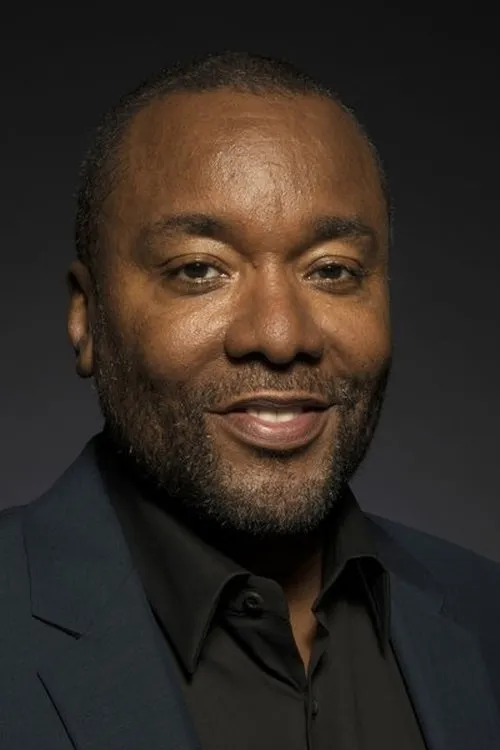
Barry Jenkins (born November 19, 1979) is an American filmmaker. After making his filmmaking debut with the short film My Josephine (2003), he directed his first feature film, Medicine for Melancholy (2008), for which he received an Independent Spirit Award nomination for Best First Feature. He is also a creative collaborator and a member of The Chopstars collective. Following an eight-year hiatus from feature filmmaking, Jenkins directed and co-wrote the LGBTQ-themed independent drama Moonlight (2016), which won numerous accolades, including the Academy Award for Best Picture. Jenkins received an Oscar nomination for Best Director and jointly won the Academy Award for Best Adapted Screenplay with Tarell Alvin McCraney. He became the fourth Black person nominated for Best Director and the second to direct a Best Picture winner. He released his third directorial feature If Beale Street Could Talk 2018, to critical praise and earned nominations for his screenplay at the Academy Awards and Golden Globes. He is also known for his work in television. In 2017, Jenkins directed "Chapter V" of the Netflix series Dear White People. In 2021, he created and directed the Amazon Video limited series The Underground Railroad, based on the novel of the same name. The series received a Primetime Emmy Award for Outstanding Directing for a Limited Series or Movie nomination and won a Peabody Award. In 2017, Jenkins was included on the annual Time 100 list of the most influential people in the world. Description above from the Wikipedia article Barry Jenkins, licensed under CC-BY-SA, full list of contributors on Wikipedia.
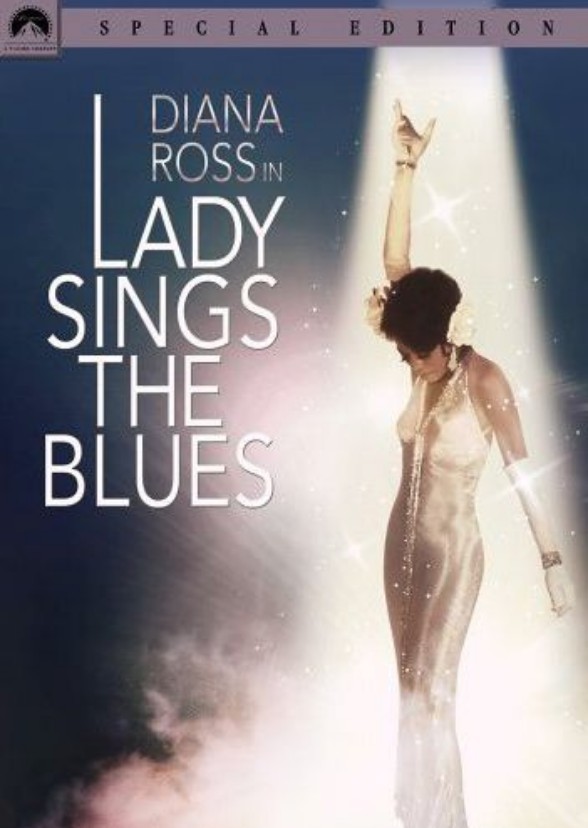
In 1945 New York City, Billie Holiday is arrested on a drugs charge. In a flashback to 1928, Billie is working as a housekeeper in a brothel in Baltimore where she is raped. She runs away to her mother, who sets up a job cleaning for another brothel in the Harlem section of New York. The brothel is run by an arrogant, selfish owner who pays Billie very little money. Eventually, Billie tires of scrubbing floors and becomes a prostitute, but later quits and returns to a nightclub to unsuccessfully audition to become a showgirl. After "Piano Man" accompanies Billie when she sings "All of Me", club owner Jerry books her as a singer in the show. Billie's debut begins unsuccessfully until Louis McKay arrives and gives her a fifty dollar tip. Billie takes the money and sings "Them There Eyes". Billie takes a liking to Louis and begins a relationship with him. Eventually she is discovered by Harry and Reg Hanley, who sign her as a soloist for their southern tour in hopes of landing a radio network gig. During the tour, Billie witnesses the aftermath of the lynching of an African-American man, which presses her to record the controversial song "Strange Fruit". The harsh experiences on the tour result in Billie taking drugs which Harry supplies. One night when Billie is performing, Louis comes to see Billie. She collapses on stage. In her dressing room, Louis notices her needle marks, knows that she is doing drugs, and tells her she is going home with him. Billie promises to stay off the drugs if Louis stays with her. In New York, Reg and Louis arrange Billie's radio debut, but the station does not call her to sing; the radio sponsors, a soap company, object to her race. The group heads to Cafe Manhattan to drown their sorrows. Billie has too much to drink and asks Harry for drugs, saying that she does not want her family to know that the radio show upset her. He refuses and she throws her drink in his face. She is ready to leave, but Louis has arranged for her to sing at the Cafe, a club where she once aspired to sing. She obliges with one song but refuses an encore, leaving the club in urgent need of a fix. Louis, suspicious that Billie has broken her promise, takes her back to his home but refuses to allow her access to the bathroom or her kit. She fights Louis for it, pulling a razor on him. Louis leaves her to shoot up, telling her he does not want her there when he returns. Billie returns to the Harlem nightclub, where her drug use intensifies until she hears of the death of her mother. Billie checks herself into a drug clinic, but because she cannot afford her treatment the hospital secretly calls Louis, who comes to see her and agrees to pay her bills without her knowledge. Impressed with the initiative she has taken to straighten herself out, Louis proposes to her at the hospital. Just as things are looking up, Billie is arrested for possession of narcotics and removed from the clinic. In prison, Billie goes through crippling withdrawal. Louis brings the doctor from the hospital to treat her, but she is incoherent. He puts a ring on her finger to remind her of his promise to marry her. When she finishes her prison sentence, Billie returns home and tells her friends that she does not want to sing anymore. Billie marries Louis and pledges not to continue her career, but the lure of performing is too strong and she returns to singing with Louis as her manager. Unfortunately, her felony conviction has stripped her of her Cabaret Card, which would allow her to sing in NYC nightclubs. To restore public confidence and regain her license, Billie agrees to a cross-country tour. Billie's career takes off on the nightclub circuit. Louis leaves for New York to arrange a comeback performance for Billie at Carnegie Hall. Despondent at Louis' absence and the never-ending stream of venues, Billie asks Piano Man to pawn the ring Louis gave her in exchange for drugs. While they are high that evening, Piano Man's drug connections arrive; he neither pawned the ring nor paid for the drugs. Piano Man is killed by the dealers. Within the hour, Louis and her promoter call Billie with news that they got Carnegie Hall. Louis returns to find a very fragile Billie who is traumatized and has fallen back into drugs. Louis takes her back to New York. Billie plays to a packed house at Carnegie Hall. Her encore, "God Bless the Child", is overlaid with newspaper clippings highlighting subsequent events: the concert fails to sway the Commission to restore her license; subsequent appeals are denied; she is later re-arrested on drug charges and finally dies when she is 44. Nevertheless, the Carnegie triumph is frozen in time.