
Age: 55
female
Sofia Carmina Coppola (/ˈkoʊpələ/ KOH-pə-lə, Italian: [soˈfiːa ˈkɔppola]; born May 14, 1971) is an American filmmaker and former actress. She has won an Academy Award, two Golden Globe Awards, a Golden Lion, and a Cannes Film Festival Award. She was also nominated for three BAFTA Awards, as well as a Primetime Emmy Award. Her parents are filmmakers Eleanor and Francis Ford Coppola, and she made her acting debut as an infant in her father's acclaimed crime drama The Godfather (1972). Coppola later appeared in several music videos and had a supporting role in the fantasy comedy film Peggy Sue Got Married (1986). She then portrayed Mary Corleone, the daughter of Michael Corleone, in the sequel The Godfather Part III (1990). Coppola transitioned into filmmaking with her feature-length directorial debut in the coming-of-age drama The Virgin Suicides (1999). It was the first of her collaborations with actress Kirsten Dunst. Her films often deal with themes of loneliness, wealth, privilege, isolation, youth, femininity, and adolescence in America. Coppola received the Academy Award for Best Original Screenplay for the comedy-drama Lost in Translation (2003), and was nominated for the Academy Award for Best Director, becoming the third woman to do so. She has since directed the historical drama Marie Antoinette (2006), the family drama Somewhere (2010), the satirical crime drama The Bling Ring (2013), the southern gothic thriller The Beguiled (2017), the comedy On the Rocks (2020), and the biographical drama Priscilla (2023). In 2015, Coppola released the Netflix Christmas musical comedy special A Very Murray Christmas, which earned her a nomination for the Primetime Emmy Award for Outstanding Television Movie. Description above from the Wikipedia article Sofia Coppola, licensed under CC-BY-SA, full list of contributors on Wikipedia.
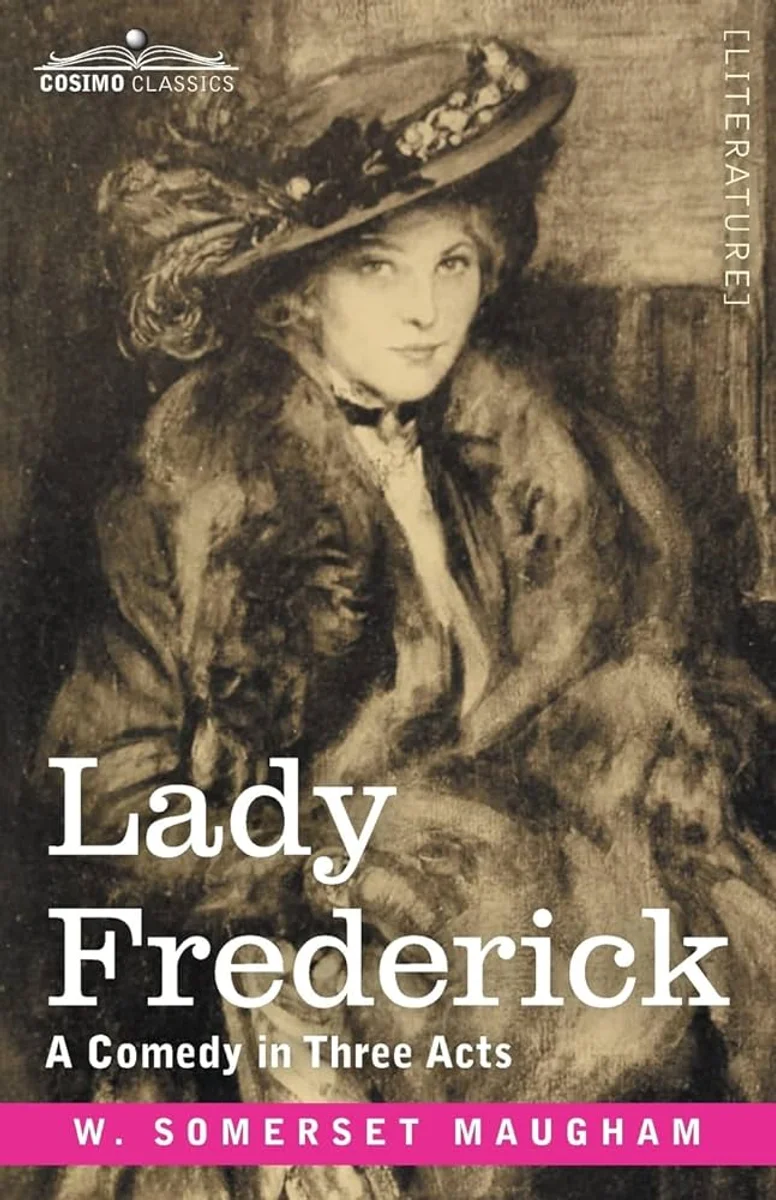
Lady Frederick is a witty Edwardian comedy that explores the social machinations of aristocratic life and the power of feminine charm. The titular Lady Frederick is a woman of considerable wit and resourcefulness who navigates the rigid conventions of high society with intelligence and grace. When a young man falls in love with her, she must contend with his disapproving family, who view her as unsuitable due to her past and her independent nature. Through a series of clever schemes and candid conversations, Lady Frederick reveals the hypocrisy underlying polite society's moral judgments. She demonstrates that a woman's worth cannot be measured by conventional standards, and that honesty and self-awareness are more valuable than blind adherence to social propriety. The play celebrates female agency and intelligence, presenting a protagonist who refuses to be diminished by others' expectations. With sharp dialogue and engaging character dynamics, the work offers both entertainment and social commentary, ultimately affirming that true nobility comes from character rather than circumstance.



