Died at 138
male
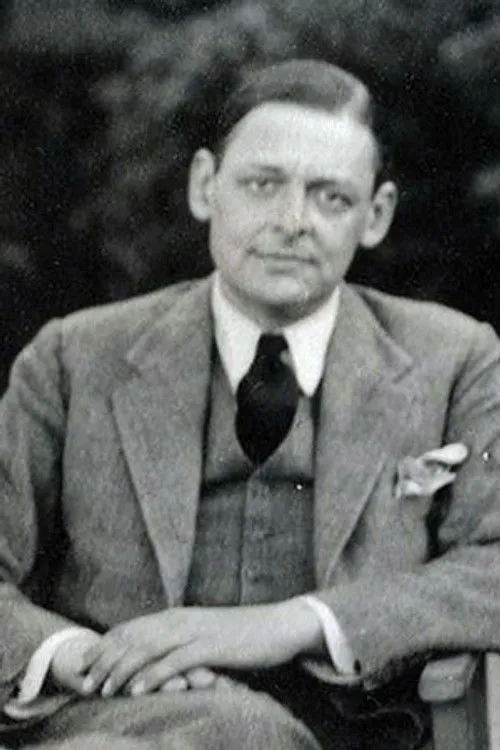
Thomas Stearns Eliot OM (26 September 1888 – 4 January 1965) was a poet, essayist and playwright. He was a leading figure in English-language Modernist poetry where he reinvigorated the art through his use of language, writing style, and verse structure. He is also noted for his critical essays, which often re-evaluated long-held cultural beliefs. Born in St. Louis, Missouri, United States, to a prominent Boston Brahmin family, he moved to England in 1914 at the age of 25 and went on to settle, work, and marry there. He became a British subject in 1927 at the age of 39 and renounced his American citizenship. Eliot first attracted widespread attention for "The Love Song of J. Alfred Prufrock" (1915), which, at the time of its publication, was considered outlandish. It was followed by The Waste Land (1922), "The Hollow Men" (1925), "Ash Wednesday" (1930), and Four Quartets (1943). He wrote seven plays, including Murder in the Cathedral (1935) and The Cocktail Party (1949). He was awarded the 1948 Nobel Prize in Literature "for his outstanding, pioneer contribution to present-day poetry". Description above from the Wikipedia article T. S. Eliot, licensed under CC-BY-SA, full list of contributors on Wikipedia.
T. S. Eliot

Tommy Dukes
for Tommy Dukes in Lady Chatterley's Lover
Suggested by devahutiraichaliha
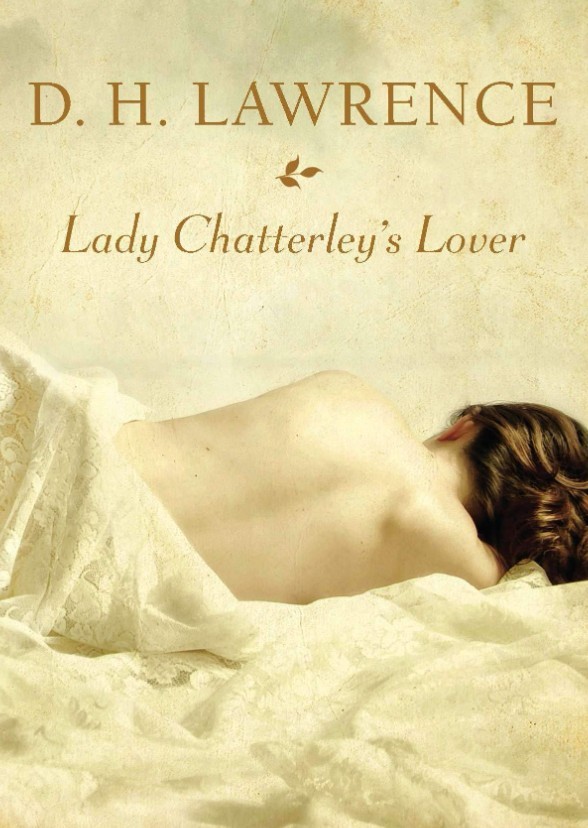
The story concerns a young married woman, the former Constance Reid (Lady Chatterley), whose upper-class husband, Sir Clifford Chatterley, described as a handsome, well-built man, is paralysed from the waist down due to a Great War injury. In addition to Clifford's physical limitations, his emotional neglect of Constance forces distance between the couple. Her emotional frustration leads her into an affair with the gamekeeper, Oliver Mellors. The class difference between the couple highlights a major motif of the novel, which is the unfair dominance of intellectuals over the working class. The novel is about Constance's realization that she cannot live with the mind alone; she must also be alive physically. This realization stems from a heightened sexual experience that Constance has only felt with Mellors, suggesting that love can only happen with the element of the body, not just the mind.

