
Age: 59
male
Paul Edward Valentine Giamatti (/ˌdʒiːəˈmɑːti/JEE-ə-MAH-tee; born June 6, 1967) is an American actor. His accolades include a Primetime Emmy Award, three Golden Globes, and nominations for two Academy Awards and a British Academy Film Award. After studying acting at the Yale School of Drama, he performed in numerous theatrical productions. Giamatti debuted on Broadway, portraying Ezra Chater in the Tom Stoppard play Arcadia (1995). Later that year, he played the Rev. Donald "Streaky" Bacon in the David Hare play Racing Demon (1995). He returned to theatre in the revivals of Anton Chekhov's Three Sisters (1997) and Eugene O'Neill's The Iceman Cometh (1999). Giamatti's breakout film role was in Private Parts (1997), followed by roles in My Best Friend's Wedding (1997), Saving Private Ryan (1998), and Man on the Moon (1999). He won acclaim for his leading roles in American Splendor (2003), Sideways (2004), Win Win (2011), and Private Life (2018). He has also acted in Planet of the Apes (2001), The Illusionist (2006), Fred Claus (2007), The Ides of March (2011), 12 Years a Slave (2013), Saving Mr. Banks (2013), Love & Mercy (2014), and Straight Outta Compton (2015). He has earned Academy Award nominations for Best Supporting Actor for portraying Joe Gould in Cinderella Man (2005) and Best Actor for playing a disgruntled teacher in The Holdovers (2023). On television, Giamatti played the role in the HBO miniseries John Adams (2008), earning him acclaim and several awards, including a Primetime Emmy and Golden Globe. He starred as U.S. Attorney Chuck Rhoades Jr. in the Showtime television series Billions (2016–2023). He earned Emmy nominations for his roles as Ben Bernanke in the HBO film Too Big to Fail (2011) and Harold Levinson in the ITV series Downton Abbey (2013). In the Netflix anthology series Black Mirror episode Eulogy (2025), he played a grieving lover. Description above from the Wikipedia article Paul Giamatti, licensed under CC-BY-SA, full list of contributors on Wikipedia.
Paul Giamatti

William Law
for William Law in Kingdom of Nauvoo
Suggested by jamesvalentine
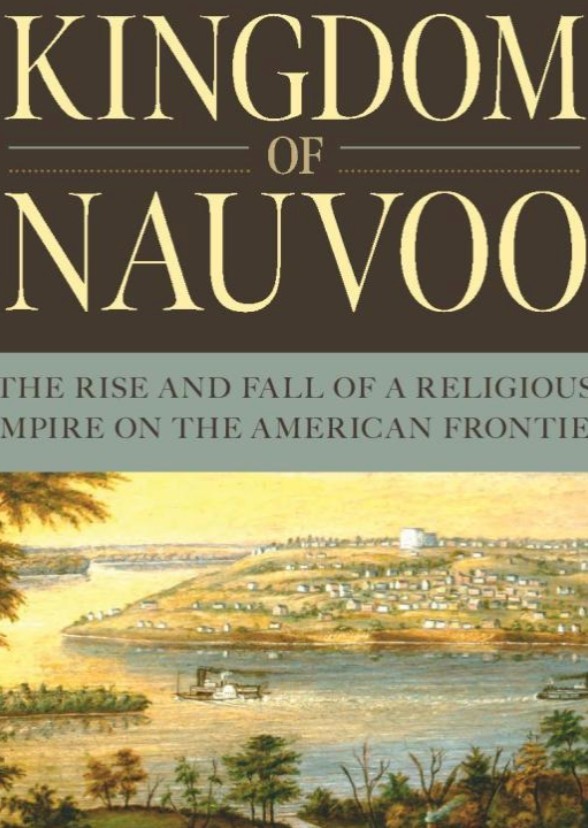
Founded in Western Illinois in 1839 by the Mormon prophet Joseph Smith and his followers... situated on a hill and protected on three sides by the Mississippi River, the industrious Mormons quickly built a religious empire; at its peak, the city surpassed Chicago in population, with more than 12,000 inhabitants. The Mormons founded their own army, with Smith as its general; established their own courts; and went so far as to write their own constitution, in which they declared that there could be no separation of church and state, and that the world was to be ruled by Mormon priests. A raucous, violent, character-driven story, Kingdom of Nauvoo raises many of the central questions of American history, and even serves as a parable for the American present. How far does religious freedom extend? Can religious and other minority groups survive in a democracy where the majority dictates the law of the land? The Mormons of Nauvoo, who initially believed in the promise of American democracy, would become its strongest critics. Throughout his absorbing chronicle, Park shows the many ways in which the Mormons were representative of their era, and in doing so elevates nineteenth century Mormon history into the American mainstream.

