Age: 51
male
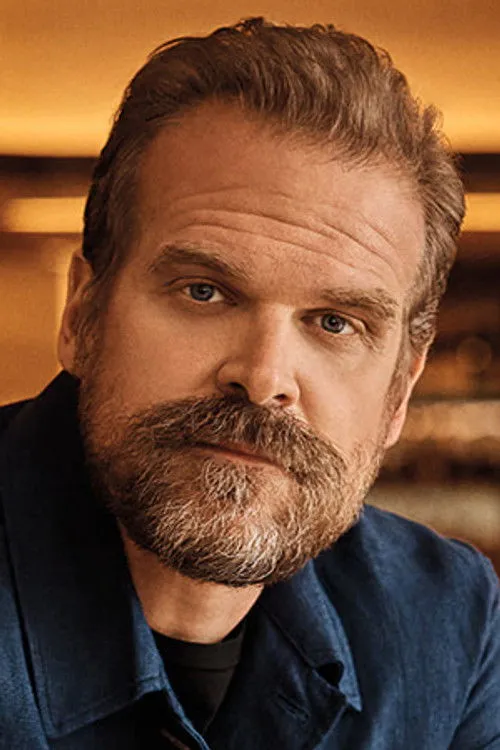
David Kenneth Harbour (born April 10, 1975) is an American actor. He has received nominations for a Tony Award, a Golden Globe Award, and two Primetime Emmy Awards. David began his career acting in Shakespearean theatre productions. After his professional debut on Broadway in the 1999 revival of The Rainmaker, he was nominated for a Tony Award for his performance in a production of Who's Afraid of Virginia Woolf?. He made his television debut on Law & Order in 1999 and had supporting roles in films such as Brokeback Mountain (2005), Revolutionary Road (2008) and Black Mass (2015). Harbour gained global recognition for his portrayal of Jim Hopper in the Netflix science fiction series Stranger Things (2016–2025), for which he received a Critics' Choice Television Award as well as nominations for two Primetime Emmy Awards. His starring film roles include the title character in Hellboy (2019), Santa Claus in Violent Night (2022) and a former racer in the sports film Gran Turismo (2023). Harbour has played Red Guardian in the Marvel Cinematic Universe media franchise, beginning with the film Black Widow (2021). Description above from the Wikipedia article David Harbour, licensed under CC-BY-SA, full list of contributors on Wikipedia.
David Harbour

Porter Rockwell
for Porter Rockwell in Kingdom of Nauvoo
Suggested by jamesvalentine
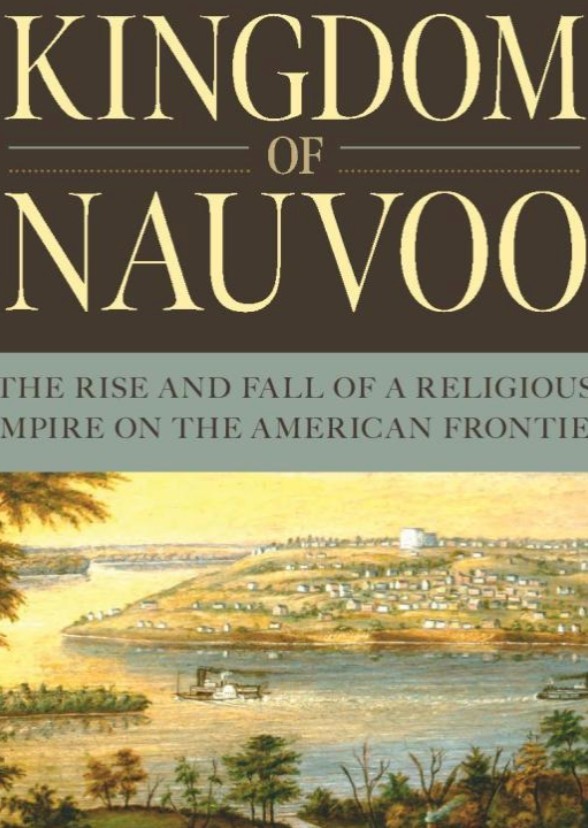
Founded in Western Illinois in 1839 by the Mormon prophet Joseph Smith and his followers... situated on a hill and protected on three sides by the Mississippi River, the industrious Mormons quickly built a religious empire; at its peak, the city surpassed Chicago in population, with more than 12,000 inhabitants. The Mormons founded their own army, with Smith as its general; established their own courts; and went so far as to write their own constitution, in which they declared that there could be no separation of church and state, and that the world was to be ruled by Mormon priests. A raucous, violent, character-driven story, Kingdom of Nauvoo raises many of the central questions of American history, and even serves as a parable for the American present. How far does religious freedom extend? Can religious and other minority groups survive in a democracy where the majority dictates the law of the land? The Mormons of Nauvoo, who initially believed in the promise of American democracy, would become its strongest critics. Throughout his absorbing chronicle, Park shows the many ways in which the Mormons were representative of their era, and in doing so elevates nineteenth century Mormon history into the American mainstream.



