
male
Qin Pengfei, born on October 8, 1985, in Shijiazhuang, Hebei Province, China, is a renowned martial artist, actor, director, and stunt coordinator. He began his martial arts training in 1994 at Yanzhao Wushu School, winning the Hebei Province Wushu Championship and earning the title of first-class athlete. Transitioning to the film industry in 2005, Qin showcased his talents in notable action films such as "A Battle of Wits" (2006), "Painted Skin" (2008), "Champions" (2008), "Empire of Silver" (2009), and "League of Gods" (2016). He further demonstrated his versatility by directing and choreographing action sequences in films like "Fight Against Evil" (2021) and its sequel (2023), "Eye for an Eye" (2022), and "Blade of Fury" (2024). Qin's extensive experience and dedication to martial arts have significantly influenced his dynamic performances and innovative direction in action cinema.
Qin Pengfei

Director
for Director in King of Wing Chun (Live Action Original Film)
Suggested by nihilus
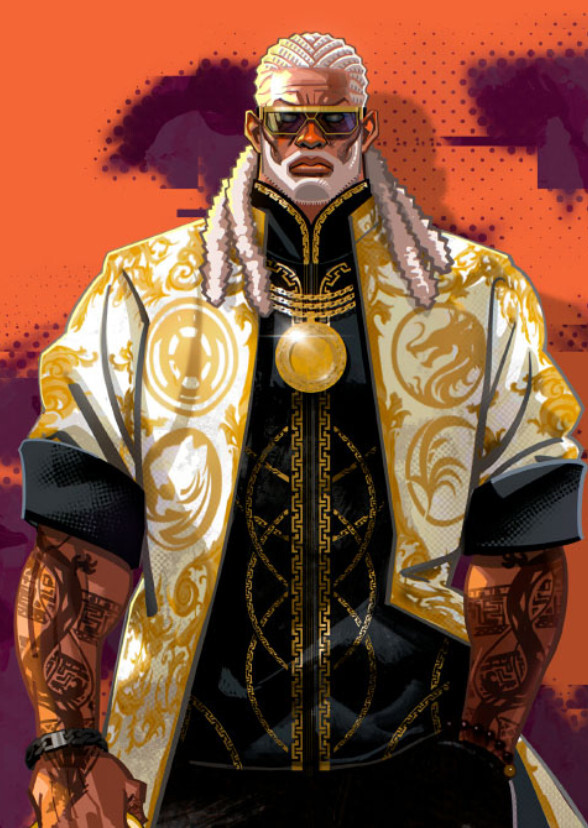
When Hong Kong’s police collapse under corruption and infighting, the city fractures into chaos. Rival Triads and mercenary crews carve up territory block by block, leaving civilians trapped in a silent civil war. Into this power vacuum steps Marcus Kai, a foreign monk exiled from his temple for taking a life. Seeking anonymity, he hides behind the humble role of a bodyguard for a failing syndicate on the edge of extinction. But his calm exterior masks a violent philosophy forged in solitude and discipline. When betrayal wipes out his employers, he adapts. With Wing Chun’s surgical precision, he begins dismantling Hong Kong’s criminal hierarchy from within, manipulating its greed and paranoia like a living form. Each rival boss he faces commands their own distinct fighting style. Every fight becomes a clash of martial philosophies as much as bodies. Every boss who underestimates him becomes a lesson in balance. Every kill is deliberate, efficient. His war isn’t about vengeance—it’s about control. As the city spirals deeper into bloodshed, he emerges as both executioner and savior, building a new kind of order from the corpses of the old. His empire is quiet, his justice methodical. By the time the police return to reclaim the city, they discover it no longer belongs to them. It belongs to the monk who learned that peace can only exist when every hand that reaches for power is met by an open palm—and crushed beneath it.

